كشف باحثون ألمان عن آلية بيولوجية قد تفسر ارتباط درجات الحرارة المنخفضة والمعتدلة بإبطاء الشيخوخة وإطالة العمر، في اكتشاف يفتح آفاقاً جديدة لفهم تأثير البرودة على صحة الإنسان.
ووفقاً لتقرير نشرته صحيفة «إندبندنت» البريطانية، تمكن علماء من جامعة كولونيا الألمانية من تحديد آلية تساعد الجسم على مقاومة بعض التغيرات المرتبطة بالتقدم في العمر.
جزيء يحمي البروتينات
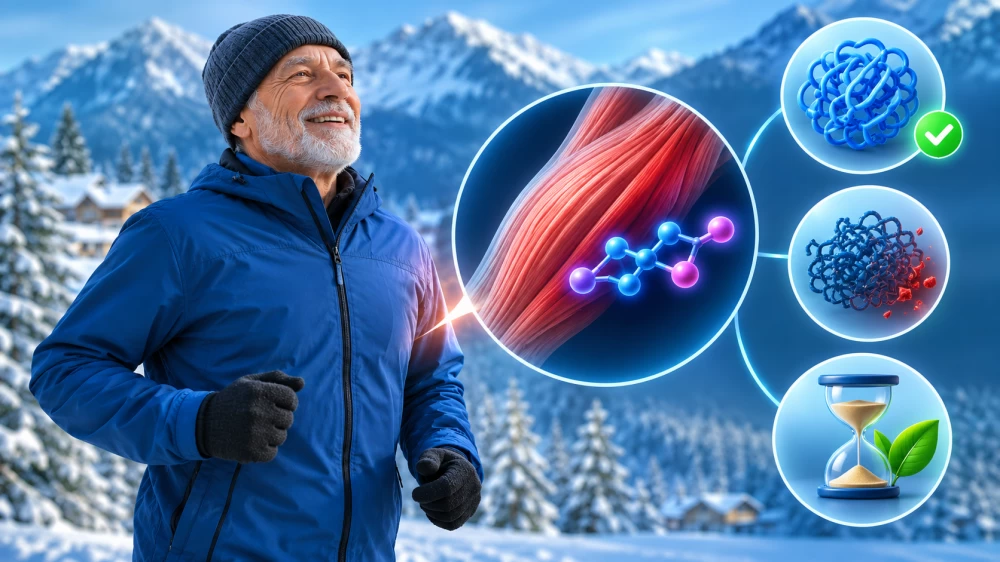
وأظهرت الدراسة أن التعرض للبرودة يحفز أنسجة العضلات على إنتاج وإطلاق جزيء يُعرف باسم «BH2»، يسهم في الحفاظ على جودة البروتينات داخل الجسم، والحد من تراكم البروتينات التالفة المرتبطة بالشيخوخة.
وكشفت تجارب أُجريت على نماذج من الخلايا البشرية أن هذا الجزيء قد يساعد على منع تراكم البروتينات المرتبطة بأمراض التنكس العصبي، ومنها داء هنتنغتون والتصلب الجانبي الضموري.
علاجات محتملة لمكافحة الشيخوخة
ويرى الباحثون أن النتائج قد تمهد لتطوير مكملات تحتوي على جزيئات عضوية محددة، تحاكي التأثيرات البيولوجية المفيدة للبرودة دون الحاجة إلى خفض درجة حرارة الجسم.
ورغم أن هذه التطبيقات لا تزال في مراحل البحث الأولية، فإن الاكتشاف يفتح المجال أمام تطوير أساليب علاجية تستهدف أنسجة العضلات، بهدف الحد من التدهور المرتبط بالتقدم في العمر.
وتأتي هذه النتائج ضمن جهود علمية متواصلة لفهم آليات الشيخوخة، والبحث عن وسائل تساعد على الحفاظ على صحة الخلايا والوقاية من الأمراض المرتبطة بالعمر.
German researchers have revealed a biological mechanism that may explain the link between low and moderate temperatures and the slowing of aging and extension of lifespan, in a discovery that opens new horizons for understanding the impact of cold on human health.
According to a report published by the British newspaper "Independent," scientists from the University of Cologne in Germany have identified a mechanism that helps the body resist some age-related changes.
A molecule that protects proteins
The study showed that exposure to cold stimulates muscle tissues to produce and release a molecule known as "BH2," which contributes to maintaining the quality of proteins within the body and reducing the accumulation of damaged proteins associated with aging.
Experiments conducted on human cell models revealed that this molecule may help prevent the accumulation of proteins linked to neurodegenerative diseases, including Huntington's disease and amyotrophic lateral sclerosis.
Potential treatments for combating aging
The researchers believe that the results could pave the way for the development of supplements containing specific organic molecules that mimic the beneficial biological effects of cold without the need to lower body temperature.
Although these applications are still in the early stages of research, the discovery opens the door to developing therapeutic methods targeting muscle tissues, aiming to reduce age-related degeneration.
These findings are part of ongoing scientific efforts to understand the mechanisms of aging and to search for means to help maintain cell health and prevent age-related diseases.