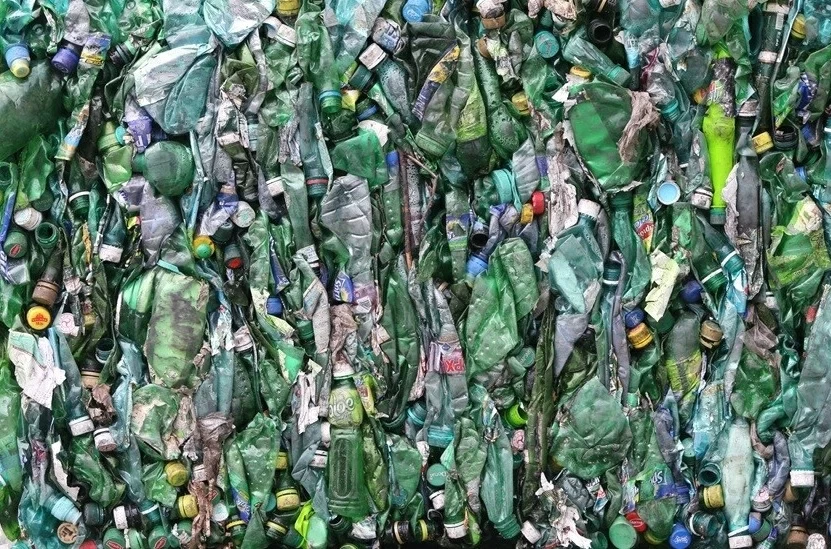
طور علماء من معهد كيمياء النفط التابع لفرع أكاديمية العلوم الروسية في سيبيريا تقنية جديدة لتحويل النفايات البلاستيكية إلى وقود سائل، عبر عملية كيميائية تعتمد على التسخين إلى 475 درجة مئوية لتفكيك سلاسل البوليمرات وتحويلها إلى منتجات نفطية.
وتعتمد التقنية على إعادة استخدام مخلفات الكربون الصلبة، المعروفة باسم فحم الكوك، كعامل محفز داخل المفاعل، ما يعزز كفاءة المعالجة ويرفع إنتاج البنزين، ويحد من النفايات الناتجة عن العملية، كما تتيح التقنية إنتاج أنواع متعددة من الوقود، من بينها وقود الديزل المعالج بالهيدروجين، مع ميزة خلو البلاستيك من الكبريت، ما يقلل الانبعاثات الضارة المرتبطة بعملية الإنتاج.
ويرى الباحثون أن الابتكار قد يفتح المجال أمام الاستفادة من النفايات البلاستيكية بصفتها مورداً لإنتاج الوقود، إلى جانب تقليل المخلفات وتعزيز كفاءة عمليات إعادة التدوير.
Scientists from the Oil Chemistry Institute of the Russian Academy of Sciences branch in Siberia have developed a new technique to convert plastic waste into liquid fuel, through a chemical process that involves heating to 475 degrees Celsius to break down polymer chains and transform them into petroleum products.
The technique relies on reusing solid carbon waste, known as coke, as a catalyst inside the reactor, which enhances processing efficiency and increases gasoline production, while reducing waste generated by the process. The technique also allows for the production of various types of fuel, including hydrogen-treated diesel, with the advantage of the plastic being sulfur-free, which reduces harmful emissions associated with the production process.
Researchers believe that this innovation could open the door to utilizing plastic waste as a resource for fuel production, alongside reducing waste and enhancing the efficiency of recycling processes.