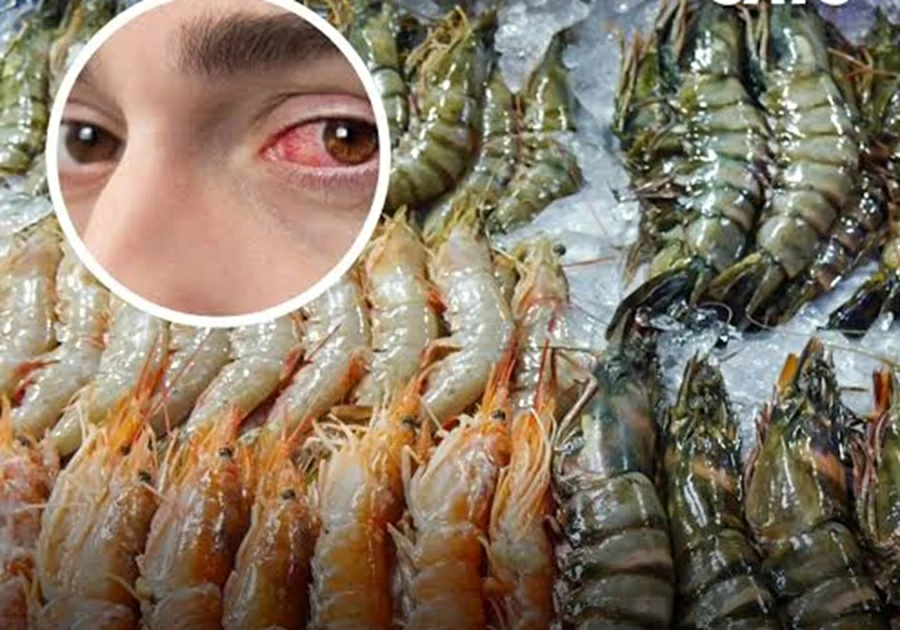
كشف باحثون عن ارتباط فايروس بحري معروف بإصابته للحيوانات المائية بمرض عيني ناشئ لدى البشر، في اكتشاف يثير مخاوف من تأثيرات قد تصل إلى تدهور الرؤية وفقدان البصر إذا لم تُشخَّص الحالة وتُعالج مبكراً.
وجاءت النتائج ضمن دراسة علمية شارك فيها علماء من الصين وأستراليا وسنغافورة، ركزت على فهم أسباب مرض عيني ظل مصدره غير واضح لسنوات رغم تزايد الحالات المسجلة بين المرضى.
وأظهرت الدراسة وجود صلة بين فايروس (CMNV) وحالة مرضية تصيب الجزء الأمامي من العين، وتتسبب في نوبات متكررة من الالتهاب، مصحوبة بارتفاع مستمر في ضغط العين، وهو عامل يُعد من أبرز مسببات تلف العصب البصري وضعف الإبصار.
وبحسب الباحثين، فإن المرض المعروف اختصاراً بـ(POH-VAU) كان يطرح تساؤلات طبية عديدة بسبب غموض مسبباته، ما دفع الفريق العلمي إلى تحليل عينات مرضى بحثاً عن عامل مشترك قد يفسر ظهور الأعراض. وأسفرت الفحوص عن رصد آثار للفايروس داخل أنسجة العين، إلى جانب مؤشرات مناعية لدى المصابين أظهرت تعرضهم السابق للعدوى، ما عزز فرضية ارتباط الفايروس بالحالة المرضية المكتشفة.
وشملت الدراسة 70 مريضاً، الأمر الذي وفّر للباحثين بيانات مهمة ساعدت على تتبع أنماط الإصابة والعوامل التي قد تزيد احتمالات انتقال العدوى إلى البشر. كما أظهرت النتائج أن أكثر مصادر التعرض شيوعاً تمثلت في التعامل المباشر مع الكائنات المائية من دون وسائل وقاية، مثل تنظيف الأسماك والقشريات وتجهيزها، فضلاً عن استهلاك المأكولات البحرية النيئة أو غير المطهية جيداً.
ولفت الباحثون إلى أن هذين العاملين شكلا معاً نحو 71.4% من الحالات التي خضعت للدراسة، فيما تبين أن تكرار التعرض للبيئة المائية الملوثة أو زيادة شدته يرتبط بارتفاع خطر الإصابة بالفيروس.
ويكتسب الاكتشاف أهمية خاصة لأنه يسلط الضوء على احتمال انتقال فايروسات من الكائنات المائية إلى الإنسان، في وقت انصب فيه الاهتمام العالمي خلال السنوات الماضية على الفايروسات القادمة من الطيور والثدييات.
ودعا الباحثون إلى اتخاذ تدابير وقائية عند التعامل مع الأسماك والمأكولات البحرية؛ تشمل استخدام القفازات وغسل اليدين جيداً وتجنُّب تناول المنتجات البحرية النيئة، إضافة إلى مراجعة طبيب العيون فور ظهور أعراض مثل احمرار العين أو الألم أو تشوش الرؤية أو تكرار الالتهابات، لتفادي مضاعفات قد يصعب علاجها لاحقاً.
Researchers have revealed a link between a marine virus known to infect aquatic animals and an emerging eye disease in humans, in a discovery that raises concerns about potential effects that could lead to vision deterioration and blindness if the condition is not diagnosed and treated early.
The findings came from a scientific study involving scientists from China, Australia, and Singapore, focusing on understanding the causes of an eye disease whose source has remained unclear for years despite the increasing number of recorded cases among patients.
The study showed a connection between the (CMNV) virus and a condition affecting the front part of the eye, causing recurrent bouts of inflammation accompanied by a persistent increase in eye pressure, a factor considered one of the main causes of optic nerve damage and vision impairment.
According to the researchers, the disease known as (POH-VAU) raised numerous medical questions due to the ambiguity of its causes, prompting the scientific team to analyze samples from patients in search of a common factor that could explain the emergence of symptoms. The tests revealed traces of the virus within the eye tissues, along with immune indicators in the infected individuals showing previous exposure to the infection, which strengthened the hypothesis linking the virus to the discovered condition.
The study included 70 patients, providing the researchers with important data that helped track infection patterns and factors that may increase the likelihood of transmission to humans. The results also showed that the most common sources of exposure were direct contact with aquatic organisms without protective measures, such as cleaning and preparing fish and shellfish, as well as consuming raw or undercooked seafood.
The researchers noted that these two factors together accounted for about 71.4% of the cases studied, while it was found that repeated exposure to contaminated aquatic environments or increased intensity is associated with a higher risk of contracting the virus.
This discovery is particularly significant as it highlights the potential for viruses to be transmitted from aquatic organisms to humans, at a time when global attention in recent years has focused on viruses coming from birds and mammals.
The researchers called for preventive measures when handling fish and seafood, including the use of gloves, thorough hand washing, and avoiding the consumption of raw seafood products, in addition to consulting an eye doctor immediately upon the appearance of symptoms such as eye redness, pain, blurred vision, or recurrent infections, to avoid complications that may be difficult to treat later.