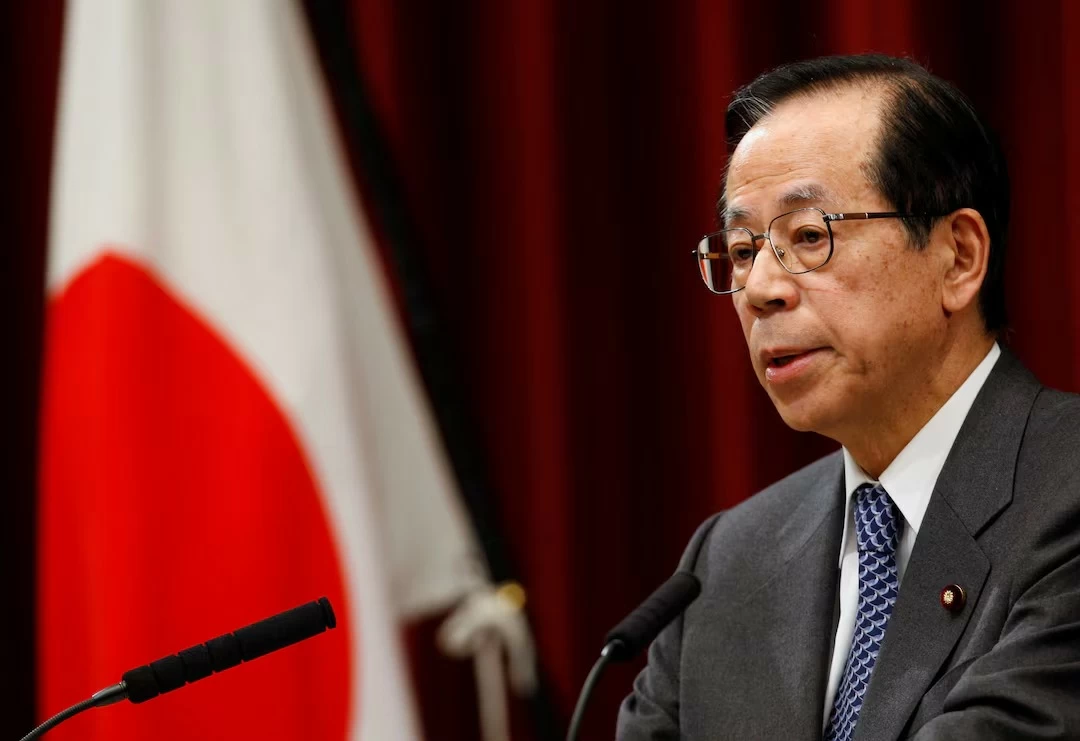
توفي رئيس الوزراء الياباني الأسبق ياسو فوكودا عن عمر ناهز 90 عامًا، إثر إصابته بقصور في القلب يوم الخميس الماضي، حسبما أعلن الحزب الليبرالي الديمقراطي الحاكم في اليابان، اليوم (الاثنين).
وشغل فوكودا رئاسة الحكومة اليابانية عام 2007، عقب الاستقالة المفاجئة لسلفه شينزو آبي، لكنه بقي في المنصب أقل من عام، في فترة حكم أقصر من ولاية والده تاكيو فوكودا، الذي تولى رئاسة الوزراء لمدة عامين.
ويُعد ياسو فوكودا أول نجل لرئيس وزراء ياباني يتولى المنصب نفسه، في مسيرة سياسية جمعت بين العمل الحكومي الداخلي والاهتمام بتعزيز العلاقات الدبلوماسية مع دول آسيا، ولا سيما الصين.
من قطاع النفط إلى قمة السلطة
وُلد فوكودا في عائلة سياسية بارزة، وتخرج في كلية الاقتصاد بجامعة واسيدا العريقة في طوكيو، قبل أن يعمل قرابة عقدين في إحدى شركات النفط، شملت مسيرته المهنية فترة عمل استمرت عامين في الولايات المتحدة.
وفي عام 1976، ترك عمله في القطاع الخاص ليتولى منصب السكرتير السياسي لوالده، تاكيو فوكودا، عقب توليه رئاسة الحكومة اليابانية، ليبدأ بذلك مسيرته في العمل السياسي.
وانتُخب ياسو فوكودا عضوًا في مجلس النواب الياباني عام 1990، قبل أن يتولى منصب كبير أمناء مجلس الوزراء بين عامي 2000 و2004، خلال فترة شهدت توليه دورًا بارزًا في إدارة شؤون الحكومة والتواصل باسمها.
واستقال من منصبه الحكومي عام 2004، ضمن مجموعة من الوزراء الذين أقروا بعدم سداد اشتراكاتهم في نظام المعاشات التقاعدية، في قضية أثارت جدلًا سياسيًا آنذاك.
حكومة قصيرة في ظل انقسام سياسي
وصل فوكودا إلى رئاسة الوزراء في سبتمبر 2007، خلفًا لشينزو آبي، في وقت كانت فيه الحكومة تواجه تحديات تشريعية وسياسية، مع انقسام البرلمان وامتلاك أحزاب المعارضة القدرة على تعطيل تمرير عدد من القوانين.
وعلّق فوكودا مازحًا، عقب توليه المنصب، بأنه ربما حصل على «النصيب الأصعب»، في إشارة إلى الظروف السياسية التي أحاطت بحكومته وصعوبة إنجاز برنامجها التشريعي.
ومع استمرار تعثر العملية التشريعية وتزايد الإحباط من حالة الجمود السياسي، أعلن فوكودا استقالته عام 2008، ليصبح ثاني رئيس وزراء ياباني ضمن سلسلة من ستة رؤساء حكومات استقالوا بعد تولي المنصب لنحو عام واحد فقط، وفقًا لما أورده التقرير.
وعُرف فوكودا بأسلوبه الحاد في بعض المواقف، كما واجه انتقادات عام 2003 إثر تصريحات غير مسجلة رسميًا نُسبت إليه، وفُهم منها تحميل النساء اللاتي يرتدين ملابس مثيرة مسؤولية تعرّضهن للاغتصاب، وهو ما أثار جدلًا واسعًا.
التقارب مع الصين.. أبرز ملامح إرثه الدبلوماسي
بعد مغادرته رئاسة الحكومة، اتجه فوكودا إلى مواصلة نشاطه الدبلوماسي، مع التركيز على تحسين علاقات اليابان بجيرانها الآسيويين، وفي مقدمتهم الصين، التي شهدت علاقاتها مع طوكيو توترات متكررة بسبب خلافات سياسية وتاريخية وإقليمية.
وقام فوكودا بعدة زيارات إلى الصين بعد تركه المنصب، في إطار مساعيه لدعم الحوار وتحسين العلاقات الثنائية، وهو ما عزز صورته باعتباره سياسيًا يميل إلى الحلول الدبلوماسية وتخفيف التوترات الإقليمية.
ويبرز هذا التوجه ضمن أبرز ملامح مسيرته، في ظل الأهمية الاستراتيجية للعلاقات اليابانية الصينية بالنسبة إلى الاستقرار في شرق آسيا، والتشابك الاقتصادي بين البلدين.
إرث سياسي يمتد إلى الجيل التالي
يرحل ياسو فوكودا تاركًا ابنه تاتسو فوكودا، الذي يشغل أيضًا مقعدًا في البرلمان الياباني، وسبق أن طُرح اسمه بوصفه شخصية قد تتولى رئاسة الحكومة مستقبلًا.
ومع وفاته، تطوي اليابان صفحة أحد السياسيين الذين تولوا قيادة الحكومة خلال مرحلة اتسمت بالاضطراب التشريعي، فيما ظل اهتمامه بالدبلوماسية الإقليمية، خصوصًا التقارب مع الصين، جزءًا بارزًا من صورته السياسية بعد مغادرته السلطة.
Former Japanese Prime Minister Yasuo Fukuda passed away at the age of 90 due to heart failure last Thursday, as announced by the ruling Liberal Democratic Party in Japan today (Monday).
Fukuda served as Prime Minister in 2007, following the sudden resignation of his predecessor Shinzo Abe, but remained in office for less than a year, a shorter term than that of his father, Takeo Fukuda, who held the position for two years.
Yasuo Fukuda is considered the first son of a Japanese Prime Minister to hold the same office, in a political career that combined domestic government work with a focus on enhancing diplomatic relations with Asian countries, particularly China.
From the Oil Sector to the Pinnacle of Power
Fukuda was born into a prominent political family and graduated from the prestigious Waseda University in Tokyo with a degree in economics, before working for nearly two decades in an oil company, which included a two-year stint in the United States.
In 1976, he left the private sector to become the political secretary to his father, Takeo Fukuda, after he assumed the office of Prime Minister, thus beginning his political career.
Yasuo Fukuda was elected as a member of the Japanese House of Representatives in 1990, before serving as Chief Cabinet Secretary from 2000 to 2004, during which he played a prominent role in managing government affairs and communicating on its behalf.
He resigned from his government position in 2004, along with a group of ministers who admitted to not paying their contributions to the pension system, in a case that sparked political controversy at the time.
A Short Government Amid Political Division
Fukuda became Prime Minister in September 2007, succeeding Shinzo Abe, at a time when the government faced legislative and political challenges, with a divided parliament and opposition parties capable of obstructing the passage of several laws.
Fukuda jokingly remarked, upon taking office, that he might have gotten the "hardest share," referring to the political circumstances surrounding his government and the difficulty of achieving its legislative agenda.
As the legislative process continued to stall and frustration grew over the political deadlock, Fukuda announced his resignation in 2008, becoming the second Japanese Prime Minister in a series of six government leaders who resigned after holding the office for about only one year, according to the report.
Fukuda was known for his blunt style in some situations, and he faced criticism in 2003 following unofficial remarks attributed to him, which were interpreted as blaming women who wore provocative clothing for being raped, sparking widespread controversy.
Closer Ties with China: A Key Feature of His Diplomatic Legacy
After leaving the premiership, Fukuda focused on continuing his diplomatic activities, emphasizing the improvement of Japan's relations with its Asian neighbors, particularly China, which had experienced recurring tensions with Tokyo due to political, historical, and regional disputes.
Fukuda made several visits to China after leaving office, as part of his efforts to support dialogue and enhance bilateral relations, which bolstered his image as a politician inclined towards diplomatic solutions and easing regional tensions.
This approach stands out as one of the key features of his career, given the strategic importance of Japanese-Chinese relations for stability in East Asia and the economic interdependence between the two countries.
A Political Legacy Extending to the Next Generation
Yasuo Fukuda leaves behind his son Tatsu Fukuda, who also holds a seat in the Japanese parliament and has previously been mentioned as a potential future Prime Minister.
With his passing, Japan turns the page on one of the politicians who led the government during a period marked by legislative turmoil, while his interest in regional diplomacy, especially rapprochement with China, remains a prominent part of his political image after leaving office.