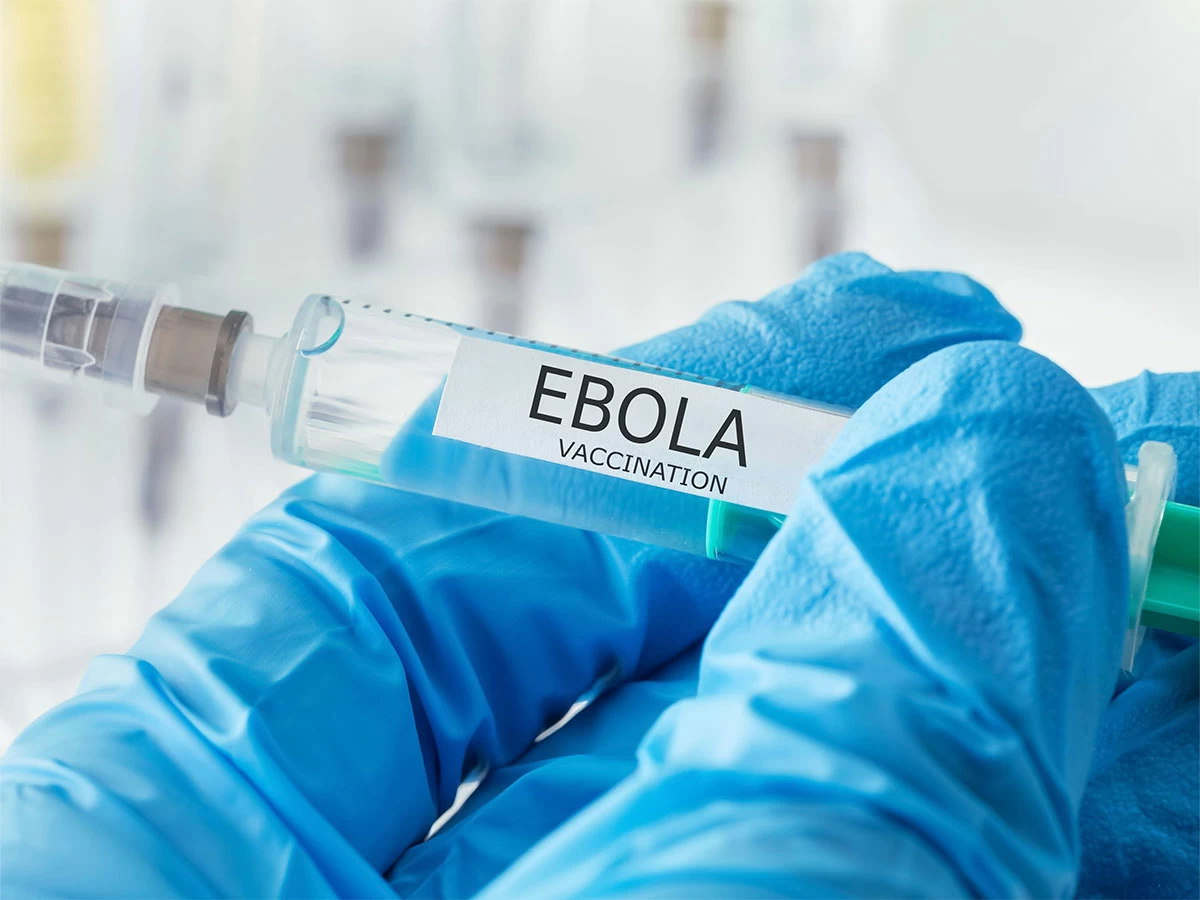
في سباق مع خطر فايروس إيبولا، تتجه جمهورية الكونغو الديمقراطية إلى اختبار لقاح جديد، ضمن مساعٍ لتعزيز احتواء المرض والحد من انتشاره، وسط ترقب لما ستكشف عنه التجارب بشأن سلامته وفعاليته.
وتستهدف الدراسة تقييم استجابة الجسم للقاح، ورصد الآثار الجانبية المحتملة، وتحديد الفئات التي قد تستفيد منه، وفقاً للبيانات التي ستجمعها الفرق البحثية خلال مراحل التجربة.
ولا يعني بدء الاختبارات أن اللقاح أصبح جاهزاً للاستخدام العام؛ إذ يتوقف ذلك على نتائج الدراسات السريرية، ومدى ثبوت سلامته وفعاليته وفق المعايير الطبية المعتمدة.
وبالتوازي مع التجربة، تواصل السلطات الصحية جهودها لمكافحة التفشي عبر رصد الإصابات، وعزل الحالات المؤكدة، وتتبع المخالطين، وتكثيف التوعية بإجراءات الوقاية، إلى جانب توفير وسائل الحماية للعاملين في الخطوط الأمامية.
وكانت الكونغو الديمقراطية قد أعلنت، في منتصف مايو الماضي، تفشي فايروس إيبولا، الذي يُعد من الأمراض شديدة الخطورة، وتسبب في وفاة أكثر من 15 ألف شخص في إفريقيا على مدى العقود الخمسة الماضية.
In a race against the threat of the Ebola virus, the Democratic Republic of the Congo is moving towards testing a new vaccine, as part of efforts to enhance disease containment and reduce its spread, amid anticipation of what the trials will reveal about its safety and effectiveness.
The study aims to evaluate the body's response to the vaccine, monitor potential side effects, and identify the groups that may benefit from it, according to the data that research teams will collect during the trial phases.
The start of testing does not mean that the vaccine is ready for general use; this depends on the results of clinical studies and the extent to which its safety and effectiveness are proven according to established medical standards.
In parallel with the trial, health authorities continue their efforts to combat the outbreak by monitoring infections, isolating confirmed cases, tracing contacts, intensifying awareness of preventive measures, and providing protective equipment for frontline workers.
The Democratic Republic of the Congo announced in mid-May that the Ebola virus was spreading, which is considered one of the most dangerous diseases, causing the deaths of more than 15,000 people in Africa over the past five decades.