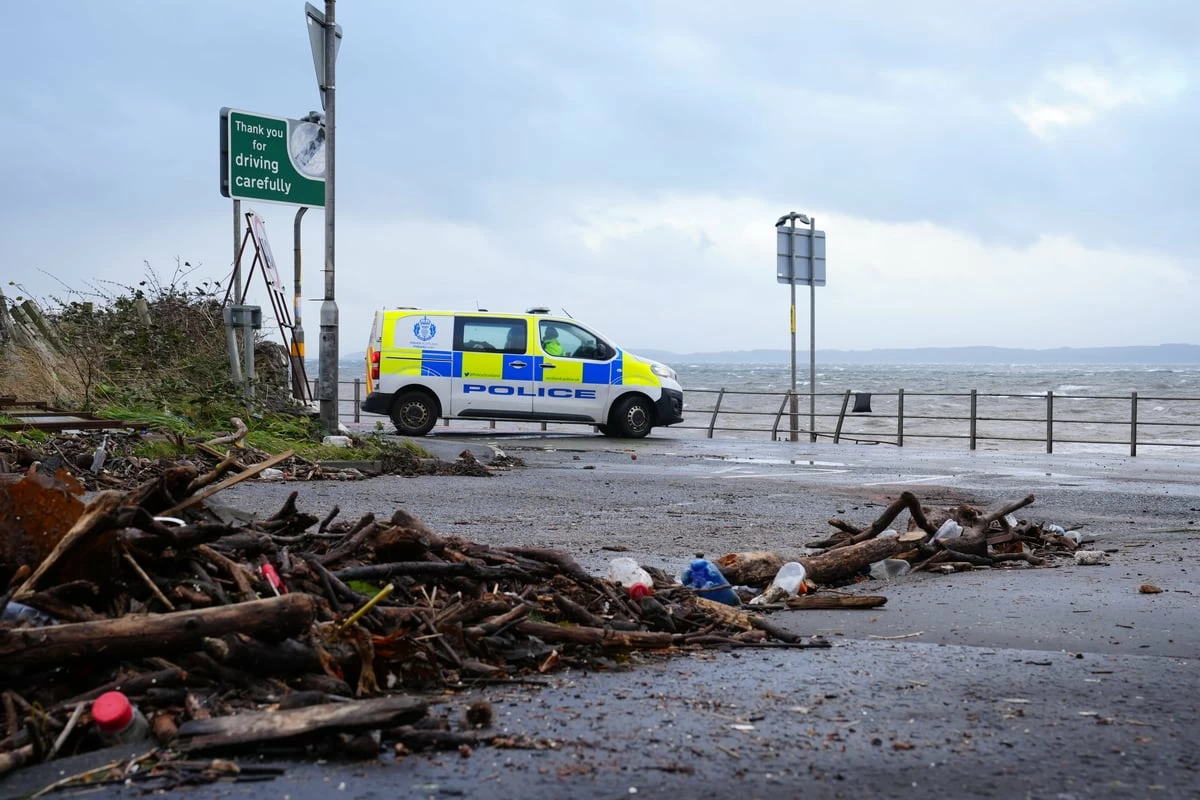
تسببت العاصفة بويلو في اضطرابات واسعة ببريطانيا، مع تأخير أو إلغاء أكثر من 1500 رحلة جوية وتعطل خدمات القطارات والعبّارات، فيما أصدرت السلطات تحذيرات جوية من رياح عاتية وفيضانات قد تشكل خطراً على الحياة.
تأثر حركة الطيران
وضربت العاصفة الأحد، مناطق واسعة من اسكتلندا وشمال إنجلترا وأيرلندا الشمالية، مصحوبة برياح بلغت سرعتها أكثر من 130 كيلومتراً في الساعة في المناطق الساحلية المكشوفة، إلى جانب أمطار غزيرة تسببت في غمر شوارع وطرقٍ بالمياه، وانقطاع الكهرباء عن آلاف المنازل.
وأفادت صحيفة «إندبندنت» بأن حركة الطيران تأثرت في مطارات رئيسية، بينها لندن هيثرو ومانشستر وإدنبرة وغلاسكو، وسط تأخيرات وإلغاءات مرتبطة بالظروف الجوية.
كما حذرت السلطات المسافرين من احتمال استمرار الاضطرابات، ودعتهم إلى مراجعة تحديثات شركات الطيران والقطارات قبل التوجه إلى المطارات والمحطات.
تحذيرات برتقالية
وأصدر مكتب الأرصاد الجوية البريطاني تحذيرات باللون البرتقالي من الرياح في أجزاء من اسكتلندا وشمال إنجلترا وشمال شرق أيرلندا الشمالية، مع توقع هبات تتراوح في مناطق واسعة بين نحو 95 و115 كيلومتراً في الساعة، وقد تصل إلى قرابة 130 كيلومتراً في الساعة على السواحل المكشوفة.
وحذر المكتب من مخاطر الحطام المتطاير والأمواج العاتية والأضرار التي قد تلحق بالمباني، فضلاً عن تعطل حركة النقل وانقطاع الكهرباء.
وامتدت تداعيات العاصفة إلى شبكة السكك الحديدية، حيث أوقفت أو قيدت شركات تشغيل عدة خدمات في غرب اسكتلندا وشمالها، بسبب الفيضانات وسقوط الأشجار والأضرار التي لحقت بخطوط الكهرباء المشغلة للقطارات. كما ألغيت رحلات عبّارات عدة، فيما أغلقت طرق رئيسية بعد سقوط الأشجار أو تراكم المياه، ما دفع الجهات المعنية إلى مطالبة السكان بتجنب الرحلات غير الضرورية في المناطق الأكثر تضرراً.
فيضانات في اسكتلندا
وفي اسكتلندا، أصدرت الهيئة الاسكتلندية لحماية البيئة تحذيرات من الفيضانات وتنبيهات إضافية في مناطق مختلفة، بعد هطول أمطار غزيرة وارتفاع المياه في مناطق ساحلية. وأظهرت مقاطع مصورة متداولة غمر المياه أجزاء من بلدة لارجس في منطقة نورث أيرشاير، حيث تحولت شوارع إلى مجارٍ للمياه، وواجه أصحاب المتاجر صعوبة في الوصول إلى محلاتهم وحمايتها من الأضرار.
ولم تقتصر الأضرار على الفيضانات وتعطل النقل، إذ أفادت تقارير بانقطاع الكهرباء عن عشرات الآلاف من المنازل في مناطق متفرقة من بريطانيا، مع تركز أعداد كبيرة من المتضررين في اسكتلندا. وعملت فرق الصيانة على إصلاح الأعطال، بينما أعاقت الرياح القوية وسوء الأحوال الجوية الوصول إلى بعض المواقع المتضررة.
العاصفة بويلو
وتأتي بويلو بعد العاصفة أوستن، التي اجتاحت أجزاء من جنوب بريطانيا الجمعة، وتسببت في اضطرابات أخرى بقطاع النقل وانقطاعات للكهرباء، ولا سيما في جنوب غرب إنجلترا. وأظهرت العاصفتان حجم الضغوط التي يمكن أن تفرضها الأنظمة الجوية القوية على البنية التحتية وشبكات الكهرباء والمواصلات خلال فترة قصيرة.
وتشير التحذيرات الجوية إلى أن الخطر لا يرتبط بسرعة الرياح وحدها؛ فاجتماع الأمطار الغزيرة مع الرياح القوية قد يؤدي إلى فيضانات محلية، وسقوط الأشجار، وتضرر خطوط الكهرباء، بينما ترفع الأمواج العاتية من مخاطر المناطق الساحلية، ولذلك دعت السلطات السكان إلى الابتعاد عن الشواطئ والمناطق المعرضة للفيضانات، والالتزام بتعليمات الطوارئ، والتحقق من حالة الطرق والرحلات قبل السفر.
The storm Builo caused widespread disruption in Britain, with more than 1,500 flights delayed or canceled and train and ferry services disrupted, while authorities issued weather warnings of strong winds and floods that could pose a danger to life.
Impact on Air Travel
The storm struck on Sunday, affecting large areas of Scotland, northern England, and Northern Ireland, accompanied by winds reaching speeds of over 130 kilometers per hour in exposed coastal areas, along with heavy rains that caused streets and roads to flood, and power outages affecting thousands of homes.
The Independent reported that air travel was affected at major airports, including London Heathrow, Manchester, Edinburgh, and Glasgow, amid delays and cancellations linked to the weather conditions.
Authorities also warned travelers of the possibility of continued disruptions and urged them to check updates from airlines and train services before heading to airports and stations.
Orange Warnings
The UK Met Office issued orange warnings for winds in parts of Scotland, northern England, and northeastern Northern Ireland, with gusts expected to range widely between about 95 and 115 kilometers per hour, potentially reaching nearly 130 kilometers per hour on exposed coastlines.
The office warned of the dangers of flying debris, rough seas, and damage to buildings, as well as disruptions to transport and power outages.
The storm's repercussions extended to the railway network, where several operating companies suspended or restricted services in western and northern Scotland due to flooding, fallen trees, and damage to the overhead power lines that operate the trains. Several ferry services were also canceled, and major roads were closed after trees fell or water accumulated, prompting authorities to urge residents to avoid non-essential travel in the most affected areas.
Flooding in Scotland
In Scotland, the Scottish Environment Protection Agency issued flood warnings and additional alerts in various areas after heavy rainfall and rising waters in coastal regions. Footage circulated showed water flooding parts of the town of Largs in North Ayrshire, where streets turned into waterways, and shop owners faced difficulties accessing their stores and protecting them from damage.
The damage was not limited to flooding and transport disruptions, as reports indicated power outages affecting tens of thousands of homes in various parts of Britain, with a large number of those affected concentrated in Scotland. Maintenance teams worked to repair the faults, while strong winds and adverse weather hindered access to some affected sites.
The Storm Builo
Builo follows the storm Austin, which swept through parts of southern Britain on Friday, causing further disruptions in the transport sector and power outages, particularly in the southwest of England. Both storms demonstrated the extent of the pressures that powerful weather systems can impose on infrastructure and electricity and transport networks in a short period.
Weather warnings indicate that the danger is not only related to wind speed; the combination of heavy rainfall with strong winds can lead to local flooding, fallen trees, and damage to power lines, while rough seas increase the risks for coastal areas. Therefore, authorities urged residents to stay away from beaches and flood-prone areas, adhere to emergency instructions, and check road and travel conditions before setting out.