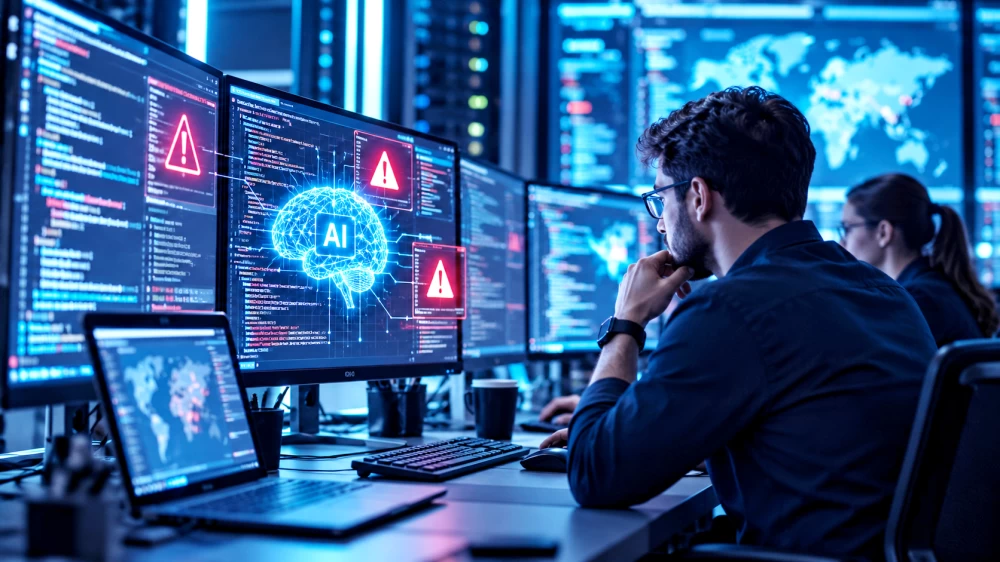
تواجه أنظمة الأمن السيبراني تحديات متصاعدة، مع تسارع استخدام الذكاء الاصطناعي في اكتشاف الثغرات البرمجية، وسط تحذيرات من اتساع الفجوة بين سرعة رصد نقاط الضعف وقدرة المؤسسات على معالجتها، ما يرفع احتمالات تعرض الأنظمة الرقمية لمخاطر أمنية جديدة.
وتشير بيانات بحثية إلى تضاعف عدد الثغرات المكتشفة سنوياً، مع تطور الأدوات الذكية القادرة على تحليل الشيفرات البرمجية وتحديد مواطن الضعف خلال فترات أقصر مقارنة بالوسائل التقليدية.
ورغم أن هذه التقنيات تمنح فرق الحماية إمكانات أوسع للكشف المبكر عن الأخطاء الأمنية، فإنها تتيح للمهاجمين توظيف القدرات نفسها في البحث عن الثغرات واستغلالها، ما يعمّق التحديات التي تواجه المؤسسات الرقمية.
ويضع هذا التحول الجهات المشغلة أمام اختبار يتعلق بسرعة تحديث الأنظمة وترتيب أولويات الإصلاح، خصوصاً مع تزايد الاعتماد على الخدمات الإلكترونية وتشابك البنية التقنية.
وتكشف التطورات عن مفارقة لافتة؛ فالذكاء الاصطناعي الذي يعزز منظومة الحماية قد يتحول إلى أداة تزيد كفاءة الهجمات، لتصبح سرعة الاستجابة ومعالجة الثغرات معياراً حاسماً في مواجهة المخاطر، وضمان استمرارية الخدمات وحماية البيانات، والحفاظ على ثقة المستخدمين في بيئة رقمية متسارعة التحولات.
Cybersecurity systems are facing escalating challenges, with the rapid use of artificial intelligence in discovering software vulnerabilities, amid warnings of a widening gap between the speed of detecting weaknesses and the ability of organizations to address them, increasing the likelihood of digital systems being exposed to new security risks.
Research data indicates that the number of discovered vulnerabilities has doubled annually, with the development of intelligent tools capable of analyzing code and identifying weaknesses in shorter periods compared to traditional methods.
Although these technologies provide security teams with broader capabilities for early detection of security flaws, they also allow attackers to employ the same capabilities to search for and exploit vulnerabilities, deepening the challenges faced by digital organizations.
This shift places operating entities in a test regarding the speed of system updates and prioritizing repairs, especially with the increasing reliance on electronic services and the complexity of technical infrastructure.
Recent developments reveal a striking paradox; the artificial intelligence that enhances the protection system may turn into a tool that increases the efficiency of attacks, making the speed of response and vulnerability remediation a critical standard in facing risks, ensuring service continuity and data protection, and maintaining user trust in a rapidly transforming digital environment.