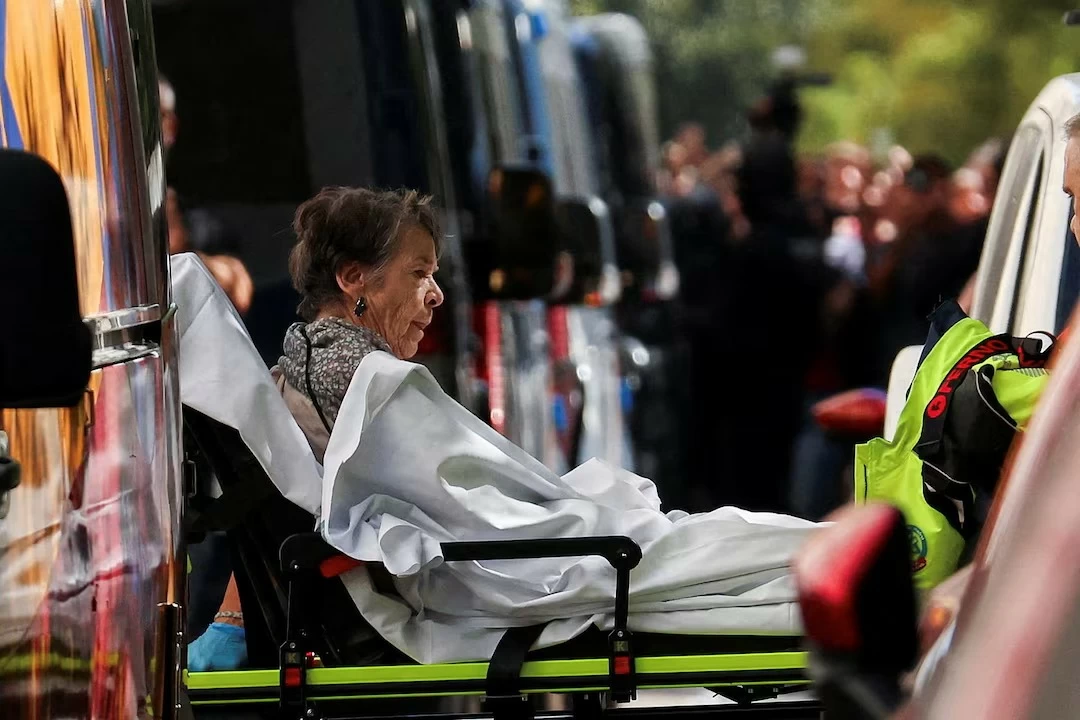
في تطور جديد للوضع في إسبانيا، توفيت ماريا كارمن أباسكال، السيدة الإسبانية البالغة من العمر 87 عامًا، والتي تحولت قضيتها إلى رمز لأزمة السكن المتفاقمة في إسبانيا بعدما أُخليت من منزلها في مدريد الشهر الماضي، في واقعة أثارت احتجاجات واسعة وأسهمت في تصاعد الضغط السياسي بشأن أزمة الإيجارات والسكن.
وأعلنت نقابة المستأجرين في مدريد وفاة أباسكال، أمس الأربعاء، بعد أن كانت قد نقلت إلى المستشفى إثر معاناتها من حالة شديدة من القلق والإرهاق، عقب إخلائها من منزلها في 23 سبتمبر الماضي.
وكانت الشرطة وعاملون اجتماعيون قد أخرجوا أباسكال من منزلها الذي عاشت فيه لأكثر من 70 عامًا، فيما أظهرت صور من الواقعة نقلها على نقالة، في مشهد أثار تعاطفًا واسعًا وأعاد أزمة السكن في العاصمة الإسبانية إلى صدارة النقاش العام.
آلاف المتظاهرين في شوارع مدريد
وعقب الإعلان عن وفاة أباسكال، خرج آلاف الأشخاص في مسيرة من ساحة «بويرتا ديل سول» الشهيرة في وسط مدريد باتجاه البرلمان، مرددين هتافات غاضبة، من بينها: «هذه ليست وفاة.. إنها جريمة قتل».
ولم يتم الإعلان عن سبب وفاة أباسكال حتى الآن.
وقال أحد المشاركين في المسيرة إن وفاة السيدة «كان يمكن تجنبها»، معتبرًا أنها أصبحت رمزًا لما وصفه بالدراما الإنسانية التي خلفتها أزمة السكن في إسبانيا.
وشهدت مدينة برشلونة أيضًا احتجاجات على خلفية وفاتها، في وقت أعلنت فيه نقابات عمالية تنظيم إضراب عام على مستوى إسبانيا في 11 نوفمبر القادم، احتجاجًا على أزمة السكن والمطالبة بإجراءات لمعالجة ارتفاع تكاليف الإيجارات.
أزمة السكن في قلب المشهد السياسي
وتأتي الاحتجاجات في وقت تواجه فيه إسبانيا أزمة سكن متصاعدة، تتمثل في نقص المعروض من الوحدات السكنية وارتفاع الإيجارات، ولا سيما في المدن الكبرى التي تشهد طلبًا مرتفعًا على العقارات.
وكانت قضية أباسكال قد تحولت إلى نقطة تجمع للحركات المدافعة عن حقوق المستأجرين، فيما نصب ناشطون مخيمًا احتجاجيًا في ساحة «بويرتا ديل سول» بمدريد للمطالبة بإجراءات عاجلة لمعالجة أزمة السكن.
وجاءت الاحتجاجات أيضًا بعد رفض البرلمان الإسباني، الأسبوع الماضي، مراسيم كانت تستهدف الحد من عمليات الإخلاء والتخفيف من ضغوط ارتفاع الإيجارات، بحسب ما أوردته وسائل إعلام إسبانية.
الانتخابات المبكرة تدخل على خط الأزمة
وتزامنت التطورات مع إعلان رئيس الوزراء الإسباني بيدرو سانشيز الدعوة إلى انتخابات مبكرة في 29 نوفمبر، في ظل تصاعد الضغوط السياسية على حكومته.
ويواجه سانشيز ملفات سياسية عدة، بينها التعامل مع أزمة الهجرة في جيب سبتة الإسباني بشمال أفريقيا، إضافة إلى قضايا فساد طالت أعضاء في الحزب الاشتراكي وأفرادًا من عائلته.
ويركز رئيس الوزراء في الوقت نفسه على أزمة السكن باعتبارها أحد أبرز الملفات التي تشغل الناخبين، في ظل تصاعد الاستياء الشعبي من ارتفاع الإيجارات وصعوبة الحصول على مسكن بأسعار مناسبة.
منزل أباسكال انتقل إلى صندوق استثماري
كانت أباسكال قد أُخليت من منزلها بعدما اشترى صندوق استثماري العقار الذي كانت تقيم فيه.
وبعد أيام من إخلائها، أعلن محاميها أنها توصلت إلى اتفاق مع مالك العقار يسمح لها بالعودة إلى منزلها لمدة ثماني سنوات، مع دفع الإيجار بالقيمة السابقة نفسها.
لكن أباسكال كانت تنتظر تحسن حالتها الصحية لتوقيع الاتفاق، قبل أن تتوفى في المستشفى دون أن تتمكن من العودة إلى منزلها.
وقال أحد جيرانها إن أباسكال تأثرت طوال حياتها بتجربتها خلال فترة حكم فرانثيسكو فرانكو، التي انتهت عام 1975، ووصفها بأنها كانت «مقاتلة» تتمتع بآراء واضحة وحس اجتماعي قوي وشعور بالتضامن مع الآخرين.
دعوات إلى مواصلة الاحتجاج
وقالت نقابة المستأجرين في مدريد، في بيان عقب وفاتها، إن إرث أباسكال يتمثل في المعركة التي خاضتها، مشددة على ضرورة مواصلة النضال من أجل الحق في السكن.
كما نعى رئيس الوزراء بيدرو سانشيز أباسكال في منشور عبر منصة «إكس»، معربًا عن تعازيه لكل من تأثر بوفاتها.
في المقابل، دعا زعيم حزب الشعب المحافظ المعارض، ألبرتو نونيز فيخو، إلى عدم تسييس وفاة أباسكال، مؤكدًا ضرورة احترامها بعيدًا عن الحملات الانتخابية والأحزاب والمصالح السياسية.
ومع استمرار الاحتجاجات وتصاعد الدعوات إلى الإضراب العام، باتت قضية أباسكال تتجاوز تفاصيل إخلاء منزلها، لتتحول إلى عنوان لأزمة السكن في إسبانيا، وخصوصًا في مدريد، حيث يواجه المستأجرون ارتفاعًا متزايدًا في تكاليف السكن ونقصًا في المعروض.
In a new development regarding the situation in Spain, María Carmen Abascal, the 87-year-old Spanish woman whose case became a symbol of the worsening housing crisis in Spain after she was evicted from her home in Madrid last month, has passed away. This incident sparked widespread protests and contributed to increasing political pressure regarding the rental and housing crisis.
The Madrid Tenants' Union announced Abascal's death yesterday, Wednesday, after she was hospitalized due to severe anxiety and exhaustion following her eviction from her home on September 23.
Police and social workers had removed Abascal from her home, where she had lived for over 70 years, and images from the incident showed her being transported on a stretcher, in a scene that generated widespread sympathy and brought the housing crisis in the Spanish capital back to the forefront of public discussion.
Thousands of protesters in the streets of Madrid
Following the announcement of Abascal's death, thousands of people marched from the famous "Puerta del Sol" square in central Madrid towards the parliament, chanting angry slogans, including: "This is not a death... it is a murder."
The cause of Abascal's death has not yet been announced.
One participant in the march stated that the woman's death "could have been avoided," considering that she had become a symbol of what he described as the humanitarian drama caused by the housing crisis in Spain.
Barcelona also witnessed protests following her death, as labor unions announced a general strike across Spain on November 11, in protest against the housing crisis and to demand measures to address rising rental costs.
Housing crisis at the heart of the political scene
The protests come at a time when Spain is facing an escalating housing crisis, characterized by a shortage of housing units and rising rents, especially in major cities experiencing high demand for real estate.
Abascal's case had become a rallying point for tenant rights movements, as activists set up a protest camp in "Puerta del Sol" square in Madrid to demand urgent measures to address the housing crisis.
The protests also followed the Spanish parliament's rejection last week of decrees aimed at limiting evictions and alleviating the pressures of rising rents, according to Spanish media reports.
Early elections enter the fray
The developments coincided with Spanish Prime Minister Pedro Sánchez's announcement of a call for early elections on November 29, amid increasing political pressure on his government.
Sánchez is facing several political issues, including dealing with the immigration crisis in the Spanish enclave of Ceuta in North Africa, as well as corruption cases involving members of the Socialist Party and individuals from his family.
At the same time, the Prime Minister is focusing on the housing crisis as one of the most prominent issues concerning voters, amid growing public discontent over rising rents and the difficulty of finding affordable housing.
Abascal's home transferred to an investment fund
Abascal was evicted from her home after an investment fund purchased the property she was residing in.
Days after her eviction, her lawyer announced that she had reached an agreement with the property owner allowing her to return to her home for eight years, with rent at the same previous rate.
However, Abascal was waiting for her health to improve to sign the agreement before she passed away in the hospital without being able to return to her home.
One of her neighbors stated that Abascal was affected throughout her life by her experience during Francisco Franco's regime, which ended in 1975, describing her as a "fighter" with clear opinions, a strong social conscience, and a sense of solidarity with others.
Calls to continue protesting
The Madrid Tenants' Union stated in a statement following her death that Abascal's legacy lies in the struggle she fought, emphasizing the need to continue the fight for the right to housing.
Prime Minister Pedro Sánchez also mourned Abascal in a post on the "X" platform, expressing his condolences to all those affected by her death.
In contrast, the leader of the opposition conservative People's Party, Alberto Núñez Feijóo, called for Abascal's death not to be politicized, stressing the need to respect her outside of electoral campaigns and political parties and interests.
As protests continue and calls for a general strike escalate, Abascal's case has transcended the details of her eviction, becoming a symbol of the housing crisis in Spain, especially in Madrid, where tenants are facing rising housing costs and a shortage of supply.