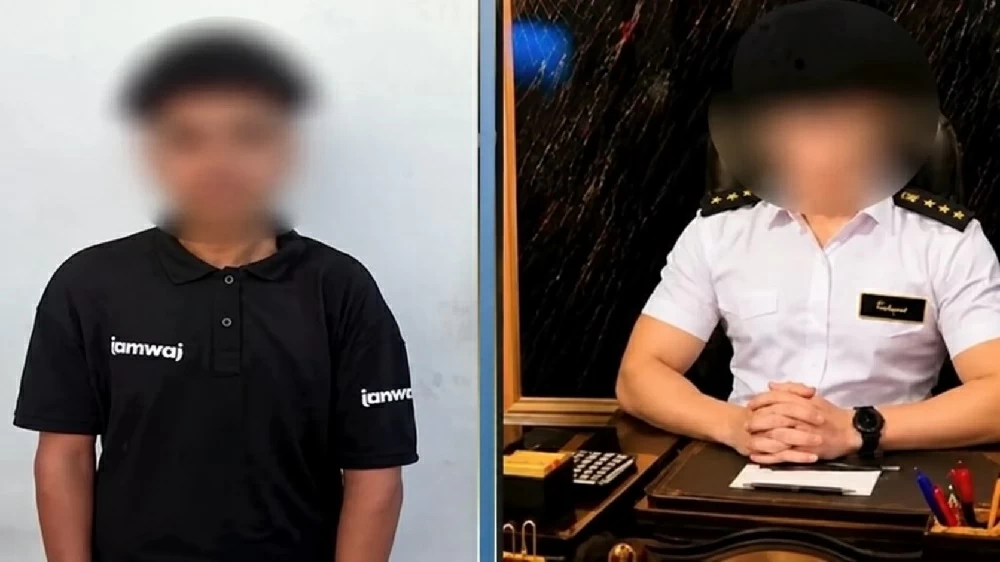
أوقعت الأجهزة الأمنية شاباً مصرياً في ورطة قانونية بعد كشف حقيقة صور متداولة على مواقع التواصل ظهر فيها مرتدياً زيّ الشرطة، ليتبين لاحقاً أنها صور مفبركة جرى تعديلها باستخدام تقنيات الذكاء الاصطناعي.
ووفق بيان وزارة الداخلية، تمكنت الجهات المختصة من تحديد هوية صاحب الحساب وضبطه، ليتضح أنه يعمل فرد أمن إداري ويقيم في محافظة المنيا.
وبدأت الواقعة برصد صور منشورة عبر أحد الحسابات تُظهر صاحبها في هيئة ضابط شرطة، ما أثار الشكوك حول صحتها.
وبالفحص، توصلت الأجهزة الأمنية إلى الشخص المسؤول عن الحساب، وعثرت بحوزته على هاتف محمول يحوي دلائل رقمية مرتبطة بالنشاط محل التحقيق.
وخلال مواجهته، أقر المتهم بأنه استخدم أدوات الذكاء الاصطناعي لتعديل الصور ونشرها؛ بهدف جذب المتابعين وزيادة التفاعل، نافياً أي صلة فعلية له بجهاز الشرطة. وأكد أن ما قام به كان بدافع اللهو وتحقيق انتشار على المنصات الرقمية.
وأحالت الأجهزة الأمنية المتهم إلى النيابة العامة لاستكمال التحقيقات في الاتهامات المتعلقة بانتحال صفة غير حقيقية واستخدام أدوات رقمية في نشر محتوى مضلل.
وتسلّط الواقعة الضوء على التحديات المتزايدة التي تفرضها تقنيات الذكاء الاصطناعي في خلق صور ومحتوى قد يمنح انطباعات زائفة عن هوية الأشخاص، ما يجعل التحقق من المواد المتداولة ضرورة أكبر في البيئة الرقمية الحالية.
The security agencies have put an Egyptian young man in a legal predicament after revealing the truth about circulated images on social media showing him wearing a police uniform, which later turned out to be manipulated images altered using artificial intelligence techniques.
According to a statement from the Ministry of Interior, the relevant authorities were able to identify the account owner and apprehend him, revealing that he works as a security guard and resides in Minya Governorate.
The incident began when images were spotted on one of the accounts showing the owner in the guise of a police officer, raising suspicions about their authenticity.
Upon investigation, the security agencies identified the person responsible for the account and found a mobile phone in his possession containing digital evidence linked to the activity under investigation.
During his confrontation, the accused admitted that he used artificial intelligence tools to modify the images and publish them; with the aim of attracting followers and increasing engagement, denying any actual connection to the police force. He confirmed that his actions were motivated by amusement and the desire to gain visibility on digital platforms.
The security agencies referred the accused to the public prosecution to continue investigations into the charges related to impersonating a false identity and using digital tools to disseminate misleading content.
This incident highlights the increasing challenges posed by artificial intelligence technologies in creating images and content that may give false impressions about individuals' identities, making the verification of circulated materials a greater necessity in the current digital environment.