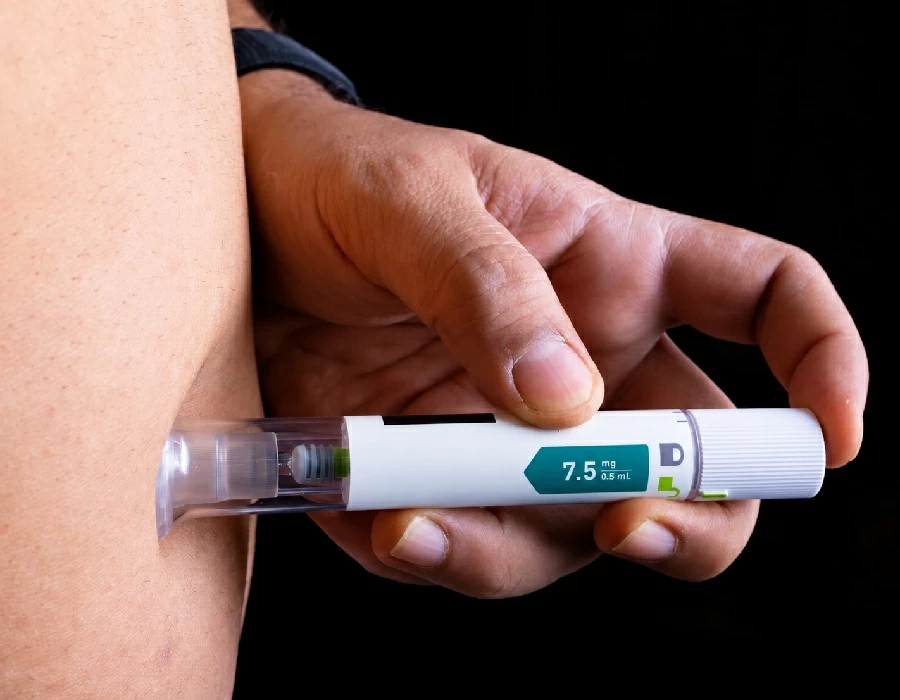
أظهرت دراسة حديثة أن استخدام الأطفال والمراهقين لأدوية التخسيس من فئة GLP‑1، مثل (أوزمبيك)، قد يرتبط بنقص في العناصر الغذائية الأساسية؛ ما يثير مخاوف متزايدة بشأن سلامة هذه العلاجات لدى الفئات العمرية الصغيرة.
وبيّن الباحثون، بعد فحص سجلات طبية واسعة، أن نحو طفل واحد من بين كل ستة شُخِّص حديثًا بنقص غذائي بعد بدء العلاج.
ووصفت الورقة العلمية المنشورة في مجلة Childhood Obesity هذا النقص بأنه «خطر جوهري وغير مُعترف به بما يكفي»، في وقت تتصاعد فيه معدلات السمنة بين الأطفال عالميًا. وتشير تقديرات منظمة الصحة العالمية والاتحاد العالمي للسمنة لعام 2026 إلى وجود أكثر من 390 مليون طفل ومراهق يعانون زيادة الوزن، بينهم نحو 160 مليونًا مصابون بالسمنة المفرطة، إضافة إلى أكثر من 35 مليون طفل دون الخامسة يعانون زيادة الوزن.
ورغم أن أدوية GLP‑1 مثل «سيماغلوتيد» (أوزمبيك وويغوفي) و«تيرزيباتيد» (مانغارو وزيباوند) أثبتت فعاليتها في علاج السمنة والسكري من النوع الثاني، فإن البيانات المتعلقة باستخدامها لدى الأطفال لا تزال محدودة. وقد حلّل الباحثون سجلات نحو 2000 طفل تتراوح أعمارهم بين 10 و17 عامًا، لم يكن لديهم نقص غذائي سابق، وبدأوا تناول هذه الأدوية بين عامي 2017 و2022. وخلال عام واحد، شُخّص نحو 17% منهم بنقص غذائي أو مضاعفات مرتبطة به، وكان نقص فيتامين (د) الأكثر شيوعًا بنسبة 12%، يليه فقر الدم الغذائي وفقر الدم الناتج عن نقص الحديد.
ويشير الباحثون إلى أن الدراسة رصدية ولا تثبت علاقة سببية مباشرة، لكنها تتوافق مع أبحاث أخرى تربط فقدان الوزن المتعمد بزيادة خطر النقص الغذائي، إضافة إلى وجود صلة محتملة بين أدوية GLP‑1 ومشكلات التغذية. كما لفتت الدراسة إلى فجوات في الرعاية الغذائية المقدمة للأطفال، إذ تلقى 5% فقط استشارات غذائية خلال أول 30 يومًا من بدء العلاج، وربعهم فقط خلال ستة أشهر.
وقال المؤلف المشارك في الدراسة، جاستن رايدر: إن النتائج «تسلّط الضوء على الحاجة الملحّة لإدارة غذائية استباقية عند وصف هذه الأدوية للأطفال، بدل انتظار ظهور النقص الغذائي»، مؤكدًا أن فهم المخاطر يساعد في حماية الأطفال خلال مرحلة محورية من نموهم.
A recent study has shown that the use of weight-loss medications from the GLP-1 class, such as (Ozempic), by children and adolescents may be associated with deficiencies in essential nutrients; raising increasing concerns about the safety of these treatments in younger age groups.
Researchers, after examining extensive medical records, found that about one child in every six was newly diagnosed with a nutritional deficiency after starting treatment.
The scientific paper published in the journal Childhood Obesity described this deficiency as an "inherent and insufficiently recognized risk," at a time when obesity rates among children are rising globally. Estimates from the World Health Organization and the World Obesity Federation for 2026 indicate that there are more than 390 million children and adolescents with overweight, including about 160 million who are classified as obese, in addition to more than 35 million children under the age of five who are overweight.
Although GLP-1 medications such as "semaglutide" (Ozempic and Wegovy) and "tirzepatide" (Mounjaro and Zepbound) have proven effective in treating obesity and type 2 diabetes, data regarding their use in children remains limited. Researchers analyzed records of about 2,000 children aged between 10 and 17 years, who had no previous nutritional deficiencies and began taking these medications between 2017 and 2022. Within one year, about 17% of them were diagnosed with a nutritional deficiency or related complications, with vitamin D deficiency being the most common at 12%, followed by nutritional anemia and iron deficiency anemia.
Researchers note that the study is observational and does not establish a direct causal relationship, but it aligns with other research linking intentional weight loss to an increased risk of nutritional deficiency, as well as a potential connection between GLP-1 medications and nutritional issues. The study also highlighted gaps in the nutritional care provided to children, as only 5% received nutritional counseling within the first 30 days of starting treatment, and only a quarter of them within six months.
Co-author of the study, Justin Ryder, stated that the results "highlight the urgent need for proactive nutritional management when prescribing these medications to children, instead of waiting for nutritional deficiencies to appear," emphasizing that understanding the risks helps protect children during a critical stage of their growth.