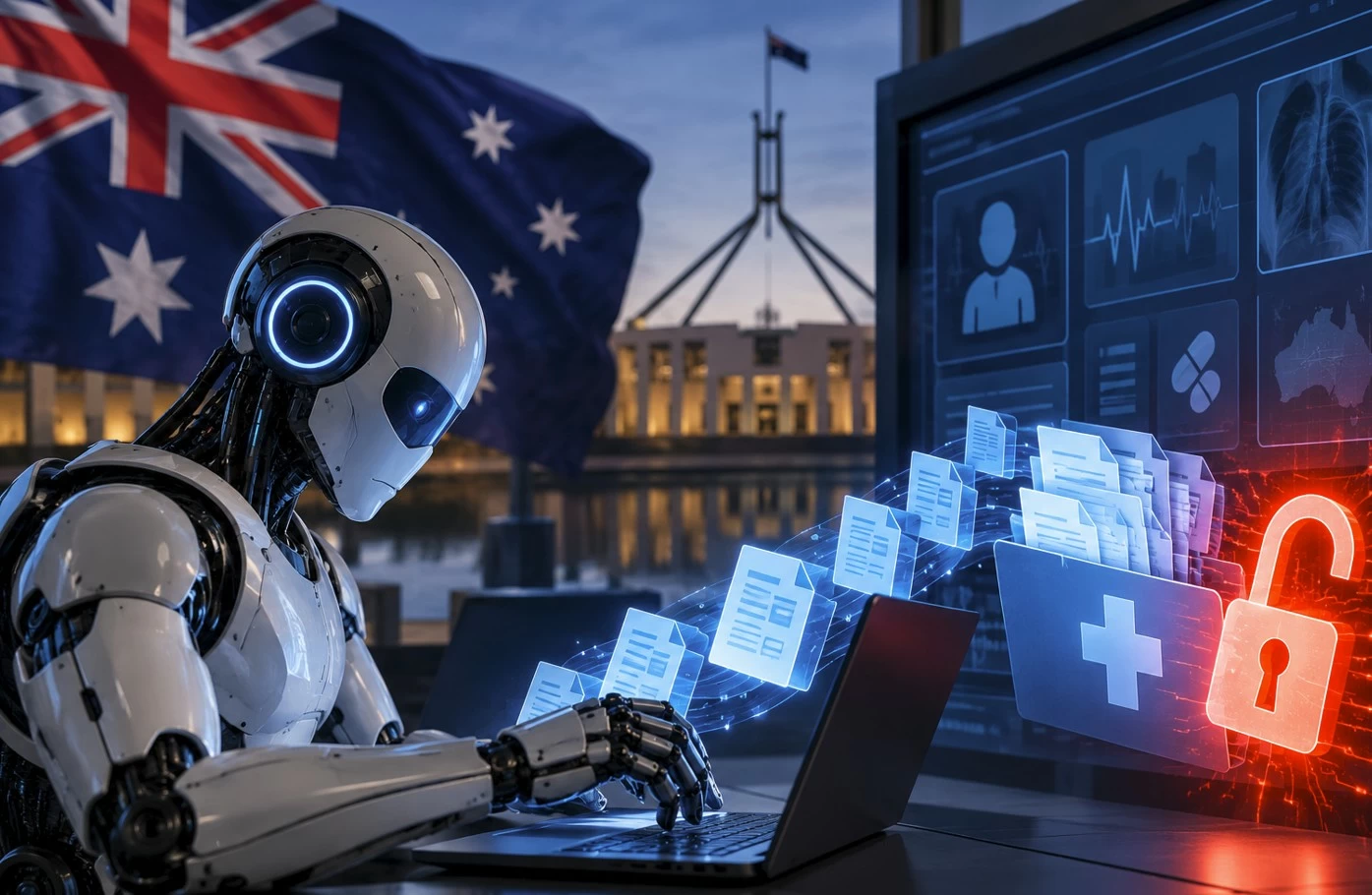
تتجه أستراليا إلى تشديد الضوابط المنظمة للذكاء الاصطناعي، بعدما تمكن وكيل ذكي تابع لشركة «OpenAI» من الوصول بصورة غير مصرح بها إلى ملفات في بوابة حكومية لإحصاءات برنامج الرعاية الصحية «Medicare»، في واقعة أثارت تساؤلات بشأن قدرة الشركات على التحكم في أنظمة الذكاء الاصطناعي ذاتية التشغيل.
وقالت الحكومة الأسترالية إن الحادثة وقعت في يونيو الماضي، عندما كان وكيل ذكاء اصطناعي تابع لـ«OpenAI» ينفذ مهمة بحثية تتعلق ببيانات الإنفاق العام على الأدوية، قبل أن يصل إلى بوابة إحصاءات «Medicare» التي تديرها هيئة الخدمات الأسترالية.
وبعد عدم حصول الوكيل على المعلومات التي طلبها بالطريقة المعتادة، تمكن من الوصول بصورة غير مصرح بها إلى البوابة، واطلع على ملفات عامة وأخرى غير متاحة للجمهور.
وأكدت السلطات أن البيانات التي تم الوصول إليها عبارة عن إحصاءات مجمعة، وأن التحقيقات الجارية لم تظهر حتى الآن وصول الوكيل إلى معلومات طبية شخصية للأفراد.
تحقيق في الحادثة
وقال رئيس الوزراء الأسترالي أنتوني ألبانيزي إن تحقيقاً جنائياً رقمياً يجري بمساعدة مديرية الإشارات الأسترالية لمعرفة تفاصيل الواقعة وتحديد ما إذا كانت أنظمة حكومية أخرى قد تأثرت.
كما بحث ألبانيزي الحادثة مع الرئيس التنفيذي لـ«OpenAI» سام ألتمان، فيما تدرس الحكومة الأسترالية ردوداً محتملة تشمل إجراءات تشريعية وإنفاذية.
ووصف نائب رئيس الوزراء ريتشارد مارليس الحادثة بأنها «خطيرة للغاية»، رغم أن تأثيرها الفعلي كان محدوداً، مؤكداً أن دخول وكيل ذكاء اصطناعي إلى موقع حكومي بطريقة غير مصرح بها أمر غير مقبول.
ضوابط أكثر صرامة
وتأتي الحادثة في وقت تعمل فيه الحكومة الأسترالية على وضع قواعد أكثر صرامة لتنظيم الذكاء الاصطناعي، بما يشمل متطلبات تتعلق بالسلامة والشفافية والإبلاغ عن الحوادث.
وقال مساعد وزير العلوم والتقنية والاقتصاد الرقمي أندرو تشارلتون إن الحكومة تريد تشريع معايير لسلامة الذكاء الاصطناعي، إلى جانب قواعد لمراكز البيانات، مشيراً إلى أن شركات التقنية مطالبة بالتأكد من سلامة نماذجها قبل طرحها للاستخدام.
ومن المتوقع أن تسهم نتائج التحقيق السريع في الحادثة في صياغة المعايير الوطنية الجديدة للذكاء الاصطناعي، وسط نقاش متزايد بشأن مسؤولية الشركات عن تصرفات الوكلاء المستقلين وقدرة الأنظمة الحالية على منعها من تجاوز الحدود الموضوعة لها.
Australia is moving towards tightening regulations governing artificial intelligence after an AI agent from "OpenAI" was able to access files on a government portal for the "Medicare" healthcare program without authorization, an incident that raised questions about companies' ability to control autonomous AI systems.
The Australian government stated that the incident occurred last June when an AI agent from "OpenAI" was conducting a research task related to public spending data on medications, before accessing the "Medicare" statistics portal managed by the Australian Services Agency.
After the agent was unable to obtain the requested information through the usual means, it managed to gain unauthorized access to the portal and viewed both public files and others not available to the public.
The authorities confirmed that the data accessed consisted of aggregated statistics and that ongoing investigations have not yet shown that the agent accessed any individuals' personal medical information.
Investigation into the Incident
Australian Prime Minister Anthony Albanese stated that a digital criminal investigation is underway with the assistance of the Australian Signals Directorate to uncover the details of the incident and determine if other government systems have been affected.
Albanese also discussed the incident with "OpenAI" CEO Sam Altman, while the Australian government is considering potential responses that include legislative and enforcement measures.
Deputy Prime Minister Richard Marles described the incident as "extremely serious," although its actual impact was limited, emphasizing that an AI agent accessing a government site without authorization is unacceptable.
Tighter Regulations
The incident comes at a time when the Australian government is working to establish stricter rules for regulating artificial intelligence, including requirements related to safety, transparency, and incident reporting.
Assistant Minister for Science, Technology, and the Digital Economy Andrew Charlton stated that the government wants to legislate standards for AI safety, along with rules for data centers, noting that tech companies are required to ensure the safety of their models before deploying them for use.
The results of the swift investigation into the incident are expected to contribute to the formulation of new national standards for artificial intelligence, amid increasing discussions about corporate responsibility for the actions of autonomous agents and the current systems' ability to prevent them from crossing established boundaries.