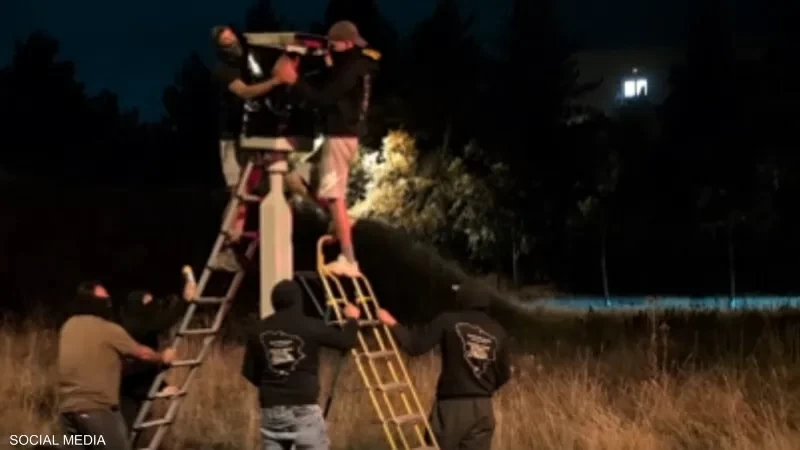
لم يتوقف الغضب النقابي في الأرياف الفرنسية عند حدود المسيرات والمطالبات التقليدية، بل انتقل ميدانياً إلى شل حركة المراقبة المرورية عبر استهداف ممنهج لأجهزة الرادار على الطرق الرئيسية.
موجة التصعيد التي قادتها نقابة «التنسيق الريفي» في أقاليم جير وهوت غارون وأفيرون، شهدت إقدام المحتجين على تغطية عشرات أجهزة قياس السرعة بالأغطية المعتمة، وكتابة شعارات تطالب بخفض سعر لتر الديزل الزراعي غير المخصص للطرق ليصبح بـ«يورو واحد».
لكن التطور الأكثر حدة تجسد في مدينة روديز، حيث تجمع نحو 200 مزارع واقتلعوا أربعة أجهزة رادار بالكامل من مواقعها المثبتة، لينقلوا اثنين منها أمام مركز المالية العامة والآخرين أمام مقر المحافظة، في خطوة رمزية لتوجيه رسالة مباشرة لمراكز القرار بشأن حجم الضغوط المالية والجفاف الذي يضرب المزارع.
وفي مقابل اعتبار المزارعين أن الدعم الحكومي المؤقت لا يتعدى كونه حسماً غير كافٍ أمام ارتفاع أعباء الإنتاج، لوحت السلطات المحلية بالمسار القضائي عبر تقديم بلاغات رسمية ضد عمليات إتلاف ونزع الرادارات التي أعادت تشكيل التوتر بين الأرياف والحكومة المركزية.
The union anger in the French countryside did not stop at traditional marches and demands, but rather moved into the field to paralyze traffic monitoring by systematically targeting radar devices on main roads.
The wave of escalation led by the "Rural Coordination" union in the regions of Gers, Haute-Garonne, and Aveyron saw protesters covering dozens of speed measurement devices with opaque covers and writing slogans demanding a reduction in the price of agricultural diesel not designated for roads to "one euro" per liter.
However, the most intense development occurred in the city of Rodez, where about 200 farmers gathered and completely uprooted four radar devices from their installed locations, moving two of them in front of the public finance center and the others in front of the prefecture, in a symbolic step to send a direct message to decision-making centers about the extent of financial pressures and the drought affecting farmers.
In contrast to the farmers' view that temporary government support is merely an insufficient discount in light of rising production costs, local authorities hinted at legal action by filing official complaints against the destruction and removal of the radars, which has reshaped the tension between the countryside and the central government.