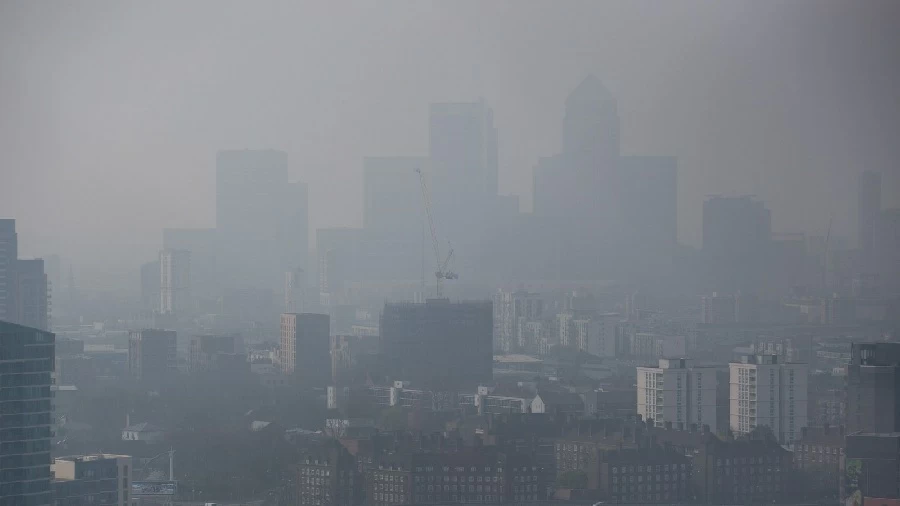
كشف تقرير (حالة الهواء العالمي 2025) عن حصيلة صادمة لتلوث الهواء خلال عام 2023، بعدما تسبب في وفاة نحو ثمانية ملايين شخص حول العالم، بينما قدّر البنك الدولي الكلفة الصحية لهذه الأزمة بنحو 8.1 تريليون دولار سنويًا؛ أي ما يعادل 6% من الناتج المحلي الإجمالي العالمي.
وتحذّر الطبيبة المسؤولة السابقة في منظمة الصحة العالمية، ماريا نيرا، من أن الجسيمات الدقيقة لا تقتصر أضرارها على الجهاز التنفسي، بل تستطيع التسلل إلى أعضاء الجسم كافة، بما فيها الدماغ، حيث ترتبط بتراجع القدرات المعرفية وارتفاع مخاطر الإصابة بباركنسون والزهايمر والخرف.
وتسعى مدن عدة إلى تعزيز إجراءات الحد من التلوث، فيما تعمل مبادرة (Breathe Cities) مع 16 مدينة لتوسيع شبكات مراقبة جودة الهواء ودعم السياسات البيئية. وقد أظهرت لندن مثالًا لافتًا، إذ انخفضت الوفيات المرتبطة بتلوث الهواء بنحو 40% منذ تطبيق منطقة الانبعاثات شديدة الانخفاض وإجراءات أخرى، وفق دراسة لـ(إمبريال كوليدج لندن).
وفي صوفيا البلغارية، يشكل النقل والتدفئة بالحطب المصدرين الرئيسيين للتلوث، وقد أطلقت السلطات منطقة منخفضة الانبعاثات، إلا أن تطبيقها ما يزال محدودًا بثلاثة أشهر سنويًا، وسط مطالب بتحويلها إلى إجراء دائم.
وترى نيرا أن التحدي لم يعد تقنيًا بقدر ما أصبح سياسيًا، في وقت تستعد فيه مبادرة (Breathe Cities) لتوسيع نطاق عملها ليشمل مدنًا ومجتمعات جديدة، في محاولة لوقف النزيف الصحي والاقتصادي الذي يسببه الهواء الملوث.
The report (Global Air Quality Status 2025) revealed a shocking toll of air pollution during 2023, causing the deaths of around eight million people worldwide, while the World Bank estimated the health costs of this crisis at about $8.1 trillion annually; equivalent to 6% of the global GDP.
Dr. Maria Neira, a former official at the World Health Organization, warns that fine particles do not only harm the respiratory system but can infiltrate all body organs, including the brain, where they are linked to cognitive decline and increased risks of Parkinson's, Alzheimer's, and dementia.
Several cities are striving to enhance pollution reduction measures, while the (Breathe Cities) initiative is working with 16 cities to expand air quality monitoring networks and support environmental policies. London has shown a remarkable example, as air pollution-related deaths have decreased by about 40% since the implementation of the ultra-low emission zone and other measures, according to a study by Imperial College London.
In Sofia, Bulgaria, transportation and wood heating are the main sources of pollution, and authorities have launched a low-emission zone, but its implementation remains limited to three months annually, amid calls to make it a permanent measure.
Neira believes that the challenge is no longer technical as much as it has become political, as the (Breathe Cities) initiative prepares to expand its work to include new cities and communities, in an attempt to stop the health and economic bleeding caused by polluted air.