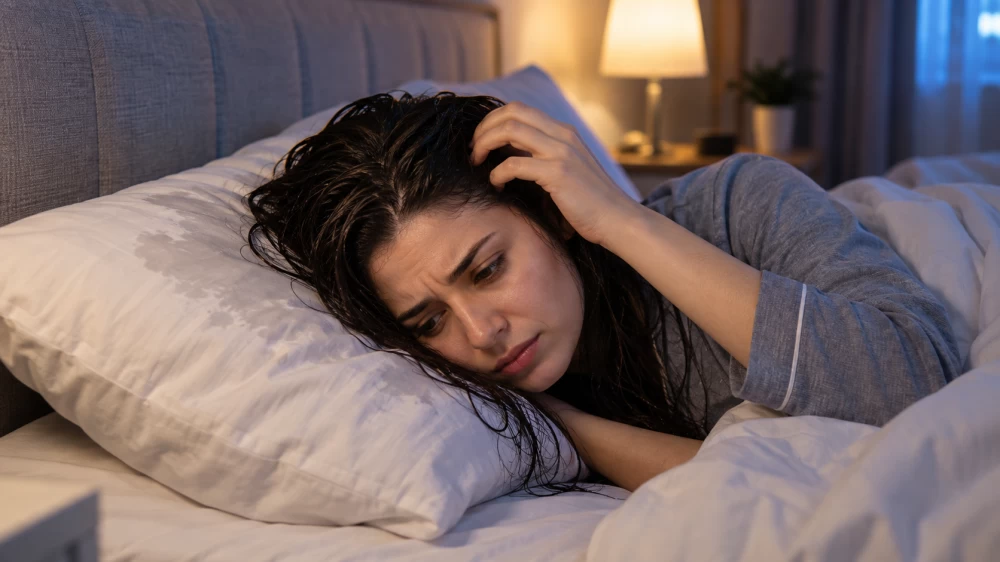
يحذّر مختصون من الاعتياد على النوم قبل تجفيف الشعر، لما قد يسببه استمرار الرطوبة والاحتكاك بالوسادة من أضرار تطال فروة الرأس وخصلات الشعر، خصوصاً لدى أصحاب البشرة الحساسة أو من يعانون القشرة والتهابات الجلد.
وقد تؤدي رطوبة الشعر إلى ابتلال الوسادة وتوفير بيئة دافئة ورطبة تساعد على نمو بعض الفطريات والبكتيريا. ومع تكرار ذلك، قد تزداد احتمالات تهيّج فروة الرأس والشعور بالحكة، إلى جانب تفاقم القشرة أو التهاب الجلد الدهني لدى الأشخاص المهيئين لهذه الحالات.
ويكون الشعر في حالته المبللة أكثر هشاشة من الشعر الجاف؛ إذ تنتفخ أليافه وتصبح طبقته الخارجية أكثر عرضة للتلف. كما يزيد احتكاكه بالوسادة أثناء التقلب في النوم احتمالات التشابك والتكسر وتقصف الأطراف، ما قد يفقده كثافته ولمعانه بمرور الوقت.
وقد تسهم الرطوبة المستمرة أيضاً في زيادة حساسية فروة الرأس وتهيّج بصيلات الشعر، خصوصاً إذا بقي الشعر مبللاً ساعات طويلة أو كانت أغطية الوسائد لا تُغيّر وتُنظف بانتظام.
وفي المقابل، لا توجد أدلة علمية تثبت أن النوم بشعر مبلل يسبب نزلات البرد مباشرة؛ إذ تنتج هذه العدوى عن الفايروسات، إلا أن برودة الرأس والرطوبة قد تسببان شعوراً بعدم الراحة أو تفاقمان بعض الأعراض لدى المصابين.
وينصح المختصون بتجفيف الشعر بلطف قبل النوم، مع تجنب فركه بعنف بالمنشفة أو تعريضه لحرارة مرتفعة. كما يُفضل استخدام مجفف الشعر بدرجة حرارة معتدلة، وتغيير غطاء الوسادة بانتظام، والاستعانة ببلسم مناسب للحفاظ على نعومة الخصلات وتقليل التقصف.
Experts warn against getting used to sleeping with wet hair, as the continued moisture and friction with the pillow can cause damage to the scalp and hair strands, especially for those with sensitive skin or those suffering from dandruff and skin inflammation.
Moisture in the hair can lead to dampening the pillow and creating a warm, humid environment that promotes the growth of certain fungi and bacteria. With repeated occurrences, the likelihood of scalp irritation and itching may increase, alongside the worsening of dandruff or seborrheic dermatitis in individuals predisposed to these conditions.
When hair is wet, it is more fragile than dry hair; its fibers swell, and the outer layer becomes more susceptible to damage. Additionally, friction with the pillow while tossing and turning during sleep increases the chances of tangling, breakage, and split ends, which may result in a loss of density and shine over time.
Continuous moisture may also contribute to increased scalp sensitivity and irritation of hair follicles, especially if the hair remains wet for long hours or if pillow covers are not changed and cleaned regularly.
On the other hand, there is no scientific evidence proving that sleeping with wet hair directly causes colds; these infections are caused by viruses. However, coldness on the head and moisture may lead to discomfort or exacerbate some symptoms in affected individuals.
Experts recommend gently drying the hair before sleeping, avoiding harsh rubbing with a towel or exposing it to high heat. It is also preferable to use a hairdryer on a moderate setting, change pillow covers regularly, and use a suitable conditioner to maintain the softness of the strands and reduce breakage.