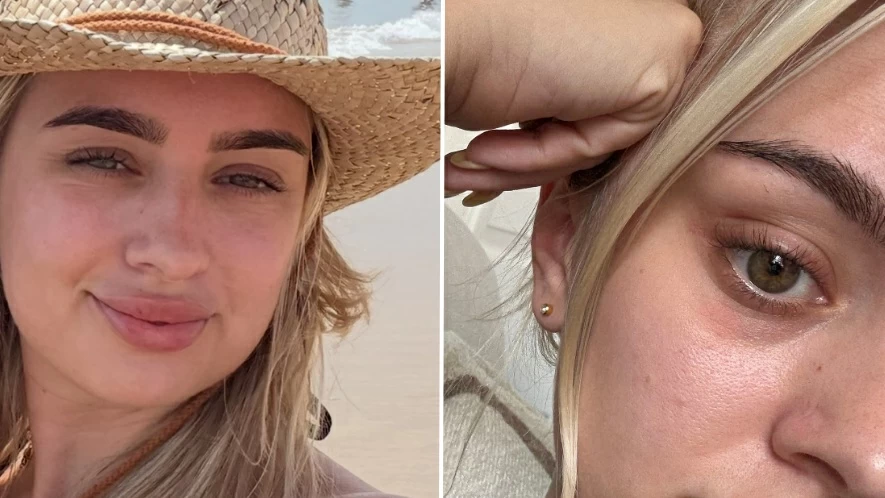
اجتاح مصطلح (وجه الفيريتين) منصات التواصل الاجتماعي ليصبح الهوس الصحي الأحدث بين المستخدمين، بعدما ربطت مقاطع الفيديو المنتشرة بين شحوب البشرة والهالات السوداء وبين انخفاض مستويات الفيريتين في الجسم؛ ما أثار موجة من القلق الصحي رغم أن الأطباء يؤكدون أن الظاهرة ليست جديدة، بل مجرد إعادة تغليف رقمي لأعراض نقص الحديد المعروفة.
وتعود شرارة هذا الهوس إلى تقارير نشرتها وسائل إعلام عالمية مثل (واشنطن بوست) و(ألور)، تحدثت عن انتشار ما وصفته بـ«وباء نقص الحديد» بين النساء تحديدًا.
ويُعد (الفيريتين) بروتينًا مسؤولًا عن تخزين الحديد داخل الجسم، وانخفاضه مؤشر رئيسي على نقص الحديد الذي قد يؤدي إلى مضاعفات تشمل تسارع ضربات القلب وضيق التنفس وآلام الصدر. لكن الخبراء يحذرون من الانسياق وراء التشخيص الذاتي عبر منصات مثل (تيك توك)، مؤكدين أن شحوب البشرة وحده لا يكفي لتشخيص الأنيميا، إذ يصاحب المرض الحقيقي أعراض أشد وضوحًا مثل الإرهاق الشديد والدوخة والصداع وخفقان القلب وضعف التركيز.
وتباينت النصائح المتداولة بين تعديل النظام الغذائي عبر تناول اللحوم والخضراوات الورقية الغنية بالحديد، وبين حلول مكلفة مثل جلسات الحقن الوريدي في عيادات التجميل، بينما تؤكد الهيئات الصحية الرسمية، مثل هيئة الخدمات الصحية البريطانية (NHS)، أن الطريق الصحيح يبدأ بمراجعة الطبيب المختص لتحديد السبب الفعلي وراء نقص الحديد ووصف العلاج المناسب.
ويشدد المختصون على ضرورة التعامل مع هذه الترندات بحذر، وعدم الانجرار وراء كل مصطلح جديد يظهر على السوشال ميديا، والاكتفاء بالعناية الأساسية مثل النوم الجيد والراحة للحفاظ على نضارة البشرة دون تهويل أو مبالغة.
The term (ferritin face) has swept across social media platforms, becoming the latest health craze among users, after videos linked pale skin and dark circles to low ferritin levels in the body; this has sparked a wave of health anxiety, even though doctors confirm that the phenomenon is not new, but rather a digital re-packaging of the known symptoms of iron deficiency.
The spark for this craze can be traced back to reports published by global media outlets such as (The Washington Post) and (Allure), which discussed the spread of what they described as an "iron deficiency epidemic," particularly among women.
(Ferritin) is a protein responsible for storing iron in the body, and its decrease is a key indicator of iron deficiency, which can lead to complications including rapid heartbeat, shortness of breath, and chest pain. However, experts warn against succumbing to self-diagnosis through platforms like (TikTok), emphasizing that pale skin alone is not sufficient to diagnose anemia, as true illness is accompanied by more obvious symptoms such as severe fatigue, dizziness, headaches, heart palpitations, and difficulty concentrating.
Advice circulating varies between dietary adjustments by consuming iron-rich meats and leafy greens, and costly solutions like intravenous injection sessions at cosmetic clinics, while official health bodies, such as the National Health Service (NHS), assert that the correct path begins with consulting a specialist doctor to determine the actual cause of iron deficiency and prescribe the appropriate treatment.
Experts stress the importance of approaching these trends with caution and not getting swept away by every new term that appears on social media, and instead focusing on basic care such as good sleep and rest to maintain skin freshness without exaggeration or alarm.