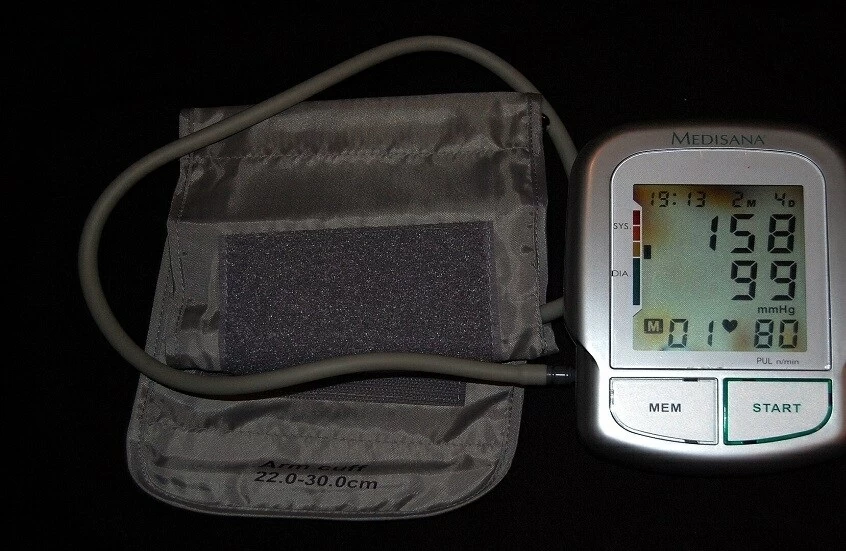
لعلك تعتقد أن ارتفاع ضغط الدم يرتبط حصراً بالنظام الغذائي وزيادة الملح، لكن تفاصيل صغيرة في جدولك اليومي قد تلعب الدور الأكبر في إجهاد قلبك ودفع مستويات الضغط إلى نطاقات خطرة.
حذر المتخصص في الطب العام والمشارك في البرامج الصحية الشهيرة الطبيب البريطاني أمير خان من أن العيش تحت ضغط نفسي مستمر يطلق موجات متتالية من هرموني الأدرينالين والكورتيزول. وينتهي هذا الإفراز الهرموني بتضييق الأوعية الدموية وتسارع نبضات القلب، مما يبقي ضغط الدم مرتفعاً لفترات طويلة.
ولا تتوقف قائمة المتهمين الصامتين عند التوتر فقط، إذ يمتد التأثير إلى عادة احتساء القهوة ومشروبات الطاقة. فبالنسبة لمن يملكون حساسية عالية تجاه الكافيين، يمكن لجرعات محدودة أن تحدث طفرة مؤقتة لكنها مفاجئة في مستويات ضغط الدم.
وفي غرف النوم، يتضاعف التأثير مع قلة الساعات المخصصة للراحة. فالحرمان المستمر من النوم يحرِم الجسم من آليته الطبيعية لإعادة تنظيم هرمونات التوتر، ويمنع هبوط الضغط الليلي المعتاد، مما يمهد الطريق لنشوء ارتفاع ضغط الدم المزمن على المدى البعيد.
أما المفاجأة الأكثر شيوعاً، فتكشفها خزانة الأدوية المنزلية، إذ تتسبب بعض العقاقير الشائعة، وفي مقدمتها مزيلات الاحتقان المستخدمة لمعالجة الرشح والأنفلونزا، في تضيق الأوعية الدموية بالأنف والجسم ككل لتخفيف انسداد مجرى التنفس، مما يرفع ضغط الدم بأسلوب غير مباشر لمن لا يراقبون تأثير هذه الأدوية.
وتبرز الخطورة في عادة الجلوس لفترات طويلة أمام الشاشات أو المكتب، إذ يقلل الخمول الممتد من مرونة الأوعية الدموية ويعيق تدفق الدم بسلاسة، ليتحول نمط الحياة الركيك إلى محفز صامت يجهد القلب بشكل يومي.
You might think that high blood pressure is solely related to diet and increased salt intake, but small details in your daily routine could play the biggest role in straining your heart and pushing pressure levels into dangerous ranges.
Dr. Amir Khan, a general medicine specialist and participant in popular health programs, warned that living under continuous psychological stress releases successive waves of the hormones adrenaline and cortisol. This hormonal secretion ends with the narrowing of blood vessels and an increase in heart rate, keeping blood pressure elevated for prolonged periods.
The list of silent culprits doesn’t stop at stress alone; its effects extend to the habit of drinking coffee and energy drinks. For those who are highly sensitive to caffeine, even limited doses can cause a temporary yet sudden spike in blood pressure levels.
In bedrooms, the impact doubles with a lack of hours dedicated to rest. Continuous sleep deprivation robs the body of its natural mechanism for reorganizing stress hormones and prevents the usual nighttime drop in pressure, paving the way for the development of chronic high blood pressure in the long term.
The most common surprise is revealed by the home medicine cabinet, as some common medications, particularly decongestants used to treat colds and flu, cause narrowing of blood vessels in the nose and the body as a whole to alleviate nasal congestion, indirectly raising blood pressure for those who do not monitor the effects of these medications.
The danger is highlighted by the habit of sitting for long periods in front of screens or at a desk, as prolonged inactivity reduces the elasticity of blood vessels and hinders smooth blood flow, turning a sedentary lifestyle into a silent trigger that strains the heart daily.