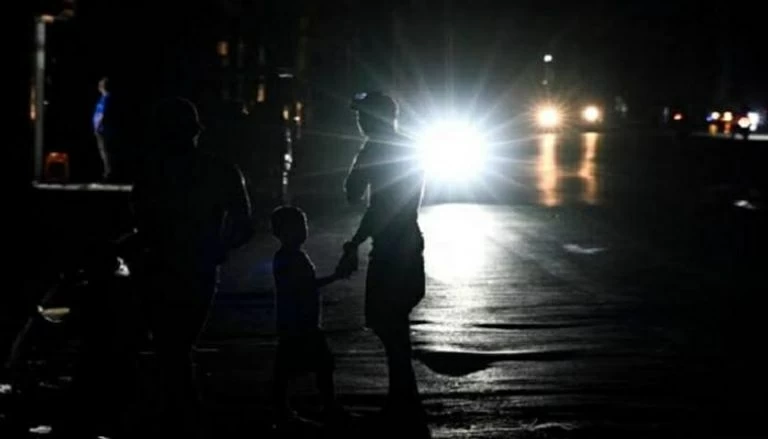
في تمام الساعة الثانية من ظهر أمس (الجمعة)، توقف كل شيء فجأة. انقطعت النغمة الرتيبة لأجهزة التكييف، وتوقفت المروحة السقفية عن الدوران، وغرق الصوت القادم من شاشات التلفزيون في صمت خاطف. لم تكن هذه مجرد انقطاع مجدول في أحد الأحياء، بل كانت اللحظة التي انفرط فيها عقد شبكة الكهرباء بأكملها من شرقي البلاد إلى غربها.
في شوارع العاصمة الكوبية هافانا، تتكرر التفاصيل الصغيرة ذاتها، لكنها هذه المرة جرت تحت سماء ملبدة بالغيوم ومطيرة. يتكئ الشاب فرانك لورينزو، البالغ من العمر 23 عاماً، على نافذة منزله بحثاً عن نسمة هواء باردة تتسلل عبر الرطوبة العالية. ويروي تفاصيل يومه المفروض عليه بقسوة: «حصلنا على ساعة واحدة فقط من التيار، ثم انطفأ كل شيء مجدداً.. نستعد الآن لليلة طويلة مع الحر الشديد والبعوض».
لا يتعلق الأمر هناك بمجرد عطل طارئ في خط نقل عالي الجهد بوسط البلاد، فالقصة أعمق من سلك كهربائي انقطع في لحظة ظهيرة. إنه نتاج سنوات طويلة من تهالك البنية التحتية ونقص الوقود الصارم في الجزيرة الكاريبية، بعدما استحال تشغيل المحطات القديمة التي أنهكها الزمن. ومنذ مطلع العام، عاش سكان كوبا ستة انهيارات كاملة للشبكة، وحين تعود الأنوار، فإنها تأتي كمكافأة مؤقتة قبل أن يغرق الناس في عتمة تستمر لأكثر من ثلاثين ساعة متواصلة.
تتجاوز تفاصيل المشهد جدران المنازل المظلمة، فالأطعمة تتلف في الثلاجات المتوقفة، والأطفال يحاولون فك رموز واجباتهم المدرسية في ضوء الهواتف الذكية أو الشموع الذائبة، بينما تكافح المستشفيات لاستثناء أجنحتها الحرجة عبر المولدات الاحتياطية.
وخلف هذه العتمة، تقف معركة سياسية محتدمة عبر المحيط. تتهم الحكومة الكوبية الإجراءات الأمريكية والحظر النفطي الخانق بالسبب المباشر في شلل قطاع الطاقة، مشيرة إلى أن خسائر الحظر التجاري تجاوزت ثمانية مليارات دولار، وهو ما ينفيه الجانب الأمريكي الذي يرى في هذه التدابير وسيلة ضغط ضرورية لدفع السلطات نحو تغيير سياساتها. وبين القراءتين الصارمتين، حذر خبراء من الأمم المتحدة من كلفة إنسانية متزايدة تدفع ثمنها العائلات يومياً.
وبحلول المساء، أضاءت أنوار شاحبة بعض الأحياء المحيطة بالمستشفيات الرئيسية بالمدينة بعد بدء تشغيل بروتوكولات الطوارئ، بينما بقيت الغالبية العظمى من الدولة تلتحف بالظلام والمطر، منتظرة خيطاً جديداً من الضوء قد يأتي صباحاً.. أو يبتعد لليلة أخرى.
At exactly two o'clock yesterday afternoon (Friday), everything suddenly stopped. The monotonous hum of the air conditioning units ceased, the ceiling fan stopped spinning, and the sound coming from the television screens drowned in a fleeting silence. This was not just a scheduled outage in one of the neighborhoods; it was the moment when the entire electricity network unraveled from the east of the country to the west.
In the streets of the Cuban capital, Havana, the same small details repeat, but this time they unfolded under a cloudy and rainy sky. Twenty-three-year-old Frank Lorenzo leans against his home window in search of a cool breeze sneaking through the high humidity. He recounts the harsh realities of his day: "We only got one hour of power, then everything went dark again... We are now preparing for a long night with intense heat and mosquitoes."
This is not just an emergency failure in a high-voltage transmission line in the center of the country; the story runs deeper than a power line that snapped on a summer afternoon. It is the result of many years of deteriorating infrastructure and strict fuel shortages on the Caribbean island, where operating the aging power plants has become nearly impossible. Since the beginning of the year, Cubans have experienced six complete network collapses, and when the lights do come back on, they arrive as a temporary reward before people plunge back into darkness that lasts for more than thirty continuous hours.
The details of the scene extend beyond the walls of dark homes; food spoils in the stopped refrigerators, children struggle to decipher their homework by the light of smartphones or melting candles, while hospitals fight to keep their critical wards operational through backup generators.
Behind this darkness stands a fierce political battle across the ocean. The Cuban government blames U.S. policies and the suffocating oil embargo as the direct cause of the energy sector paralysis, pointing out that the losses from the trade embargo have exceeded eight billion dollars, a claim denied by the American side, which views these measures as a necessary pressure tactic to push the authorities toward changing their policies. Amid these two rigid interpretations, United Nations experts have warned of an increasing humanitarian cost that families pay daily.
By evening, pale lights illuminated some neighborhoods surrounding the city's main hospitals after emergency protocols were activated, while the vast majority of the country remained cloaked in darkness and rain, waiting for a new thread of light that might come in the morning... or be postponed for another night.