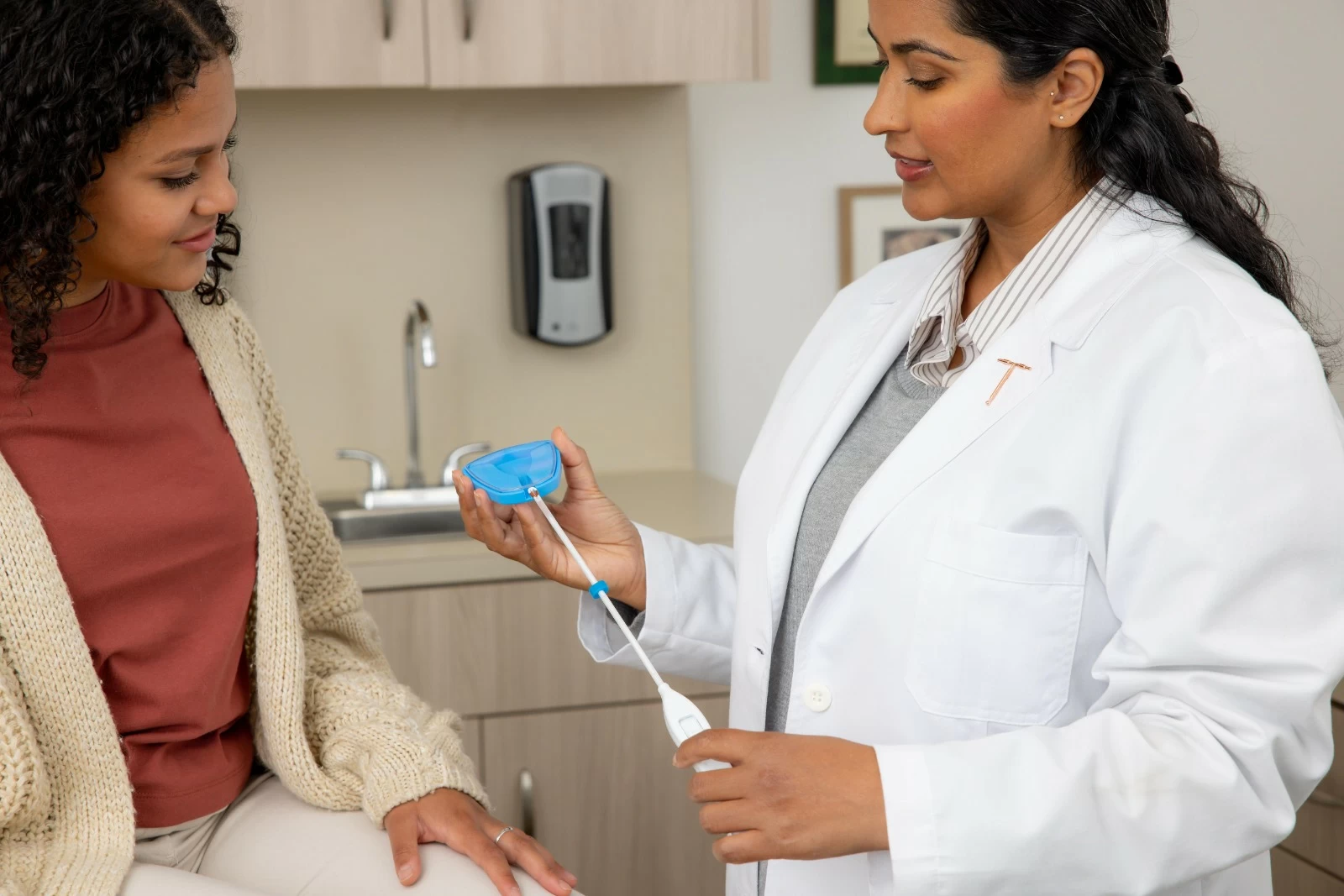
توصل باحثون سويديون إلى طريقة بسيطة قد تخفف الألم المصاحب لتركيب اللولب الرحمي، أحد أكثر وسائل منع الحمل طويلة المفعول شيوعاً، وذلك باستخدام مخدر موضعي يُعطى داخل الرحم قبل الإجراء بدقائق.
وأجرى باحثون من معهد كارولينسكا ومستشفى دانديريد في السويد تجربة سريرية عشوائية شملت 370 مشاركة لم يسبق لهن الولادة، بهدف معرفة مدى قدرة مخدر «ميبيفاكايين» الموضعي على تقليل الألم أثناء تركيب اللولب.
تراجع الألم
وقسّم الباحثون المشاركات إلى مجموعتين، تلقت الأولى 10 ملليلترات من المخدر الموضعي داخل الرحم بواسطة أنبوب بلاستيكي رفيع، فيما تلقت المجموعة الأخرى محلولاً ملحياً للمقارنة.
وأظهرت النتائج انخفاض متوسط مستوى الألم إلى 43.8 درجة من أصل 100 لدى من تلقين المخدر، مقابل 58.6 درجة في المجموعة الأخرى.
كما اعتبرت 98.3% من المشاركات اللاتي تلقين المخدر أن مستوى الألم كان مقبولاً، مقارنة بـ91.4% في المجموعة الأخرى.
دون إبر
وتتميز الطريقة بإمكانية إعطاء المخدر مباشرة داخل الرحم بواسطة أنبوب رفيع قبل تركيب اللولب بدقائق، دون الحاجة إلى حقن المخدر في الأنسجة المحيطة بعنق الرحم.
وأشار الباحثون إلى أن سهولة الطريقة قد تجعل استخدامها ممكناً في الممارسة الطبية اليومية، خصوصاً أن الخوف من الألم يمثل أحد الأسباب التي قد تدفع بعض النساء إلى التردد في اختيار اللولب.
لكن الباحثين أكدوا أن الدراسة قارنت الطريقة بمحلول ملحي وليس بوسائل أخرى لتخفيف الألم، ما يعني الحاجة إلى دراسات إضافية لمعرفة مدى تفوقها على الخيارات المتاحة حالياً.
ونُشرت الدراسة في مجلة «JAMA»، وأجراها باحثون من معهد كارولينسكا ومستشفى دانديريد وجامعة دالارنا في السويد.
Swedish researchers have discovered a simple method that may alleviate the pain associated with the insertion of the intrauterine device (IUD), one of the most common long-acting contraceptive methods, by using a local anesthetic administered inside the uterus just minutes before the procedure.
Researchers from the Karolinska Institute and Danderyd Hospital in Sweden conducted a randomized clinical trial involving 370 participants who had never given birth, aiming to assess the effectiveness of the local anesthetic "mepivacaine" in reducing pain during IUD insertion.
Pain Reduction
The researchers divided the participants into two groups. The first group received 10 milliliters of the local anesthetic inside the uterus using a thin plastic tube, while the other group received a saline solution for comparison.
The results showed a decrease in the average pain level to 43.8 out of 100 among those who received the anesthetic, compared to 58.6 in the other group.
Additionally, 98.3% of the participants who received the anesthetic considered the pain level acceptable, compared to 91.4% in the other group.
No Needles
The method is characterized by the ability to administer the anesthetic directly inside the uterus through a thin tube just minutes before the IUD insertion, without the need to inject the anesthetic into the tissues surrounding the cervix.
The researchers noted that the simplicity of the method could make its use feasible in everyday medical practice, especially since fear of pain is one of the reasons that may lead some women to hesitate in choosing the IUD.
However, the researchers emphasized that the study compared the method to a saline solution and not to other pain relief options, indicating the need for additional studies to determine its superiority over currently available options.
The study was published in the "JAMA" journal and was conducted by researchers from the Karolinska Institute, Danderyd Hospital, and Dalarna University in Sweden.