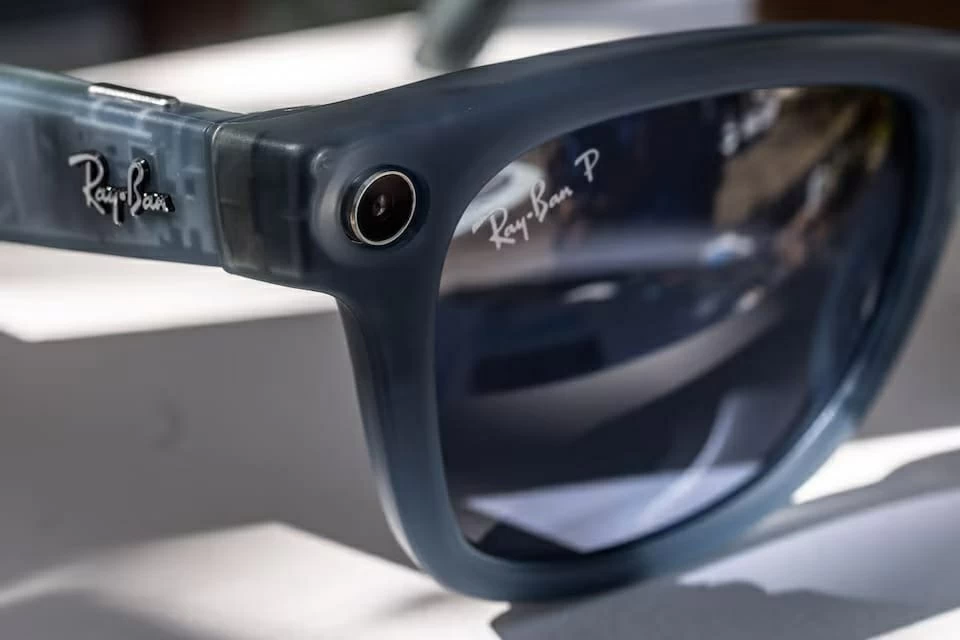
فتحت النيابة العامة في باريس تحقيقًا جنائيًا بشأن شبهات تحرش جنسي مرتبطة باستخدام النظارات الذكية، في وقت تتزايد فيه شكاوى الشركات والجهات الرقابية في عدد من الدول حول الآثار الاجتماعية ومخاطر الخصوصية التي تفرضها هذه الأجهزة القابلة للارتداء.
وتأتي التحركات الفرنسية في ظل انتشار سريع للنظارات الذكية المزودة بالكاميرات والذكاء الاصطناعي، وسط مخاوف متصاعدة من استخدامها في التصوير السري والمراقبة دون علم الأشخاص الموجودين في محيط مرتديها.
وبحسب وكالة «رويترز»، فإن عدة شركات توفر حاليًا نظارات ذكية في الأسواق، إلا أن نظارات شركة «ميتا» الأمريكية، التي طورتها بالتعاون مع شركة «إيسيلور لوكسوتيكا»، تتصدر السوق بحصة تقدر بنحو 76% عالميًا.
تحقيق في تصوير النساء دون موافقتهن
وأفادت النيابة العامة في باريس لـ«رويترز» بأنها فتحت أخيرا تحقيقًا جنائيًا واحدًا على الأقل، عقب تلقي شكاوى تتعلق بالتحرش الجنسي المرتبط باتجاه متداول على وسائل التواصل الاجتماعي، يقوم خلاله مستخدمون بتصوير نساء في الشوارع باستخدام النظارات الذكية دون الحصول على موافقتهن، ثم نشر المقاطع المصورة عبر الإنترنت.
ولم تحدد النيابة الفرنسية العلامة التجارية للنظارات المستخدمة في الوقائع محل التحقيق، كما امتنعت عن تقديم تفاصيل إضافية بشأن القضية.
وأوضحت النيابة أن وحدة الجرائم الإلكترونية التابعة لها اختبرت النظارات الذكية قبل نحو أسبوعين، بهدف فهم طبيعة الأجهزة بصورة أفضل، وتقييم الجرائم المحتملة التي يمكن استخدامها في ارتكابها.
7 ملايين نظارة مباعة خلال عام
وشهدت نظارات «ميتا» المزودة بالذكاء الاصطناعي انتشارًا واسعًا، إذ تحتوي على كاميرا صغيرة مدمجة تتيح لمن يرتديها تسجيل الصور والفيديو بطريقة قد لا تكون واضحة لمن حوله.
ووفقًا لبيانات أوردتها «رويترز»، باعت الشركة نحو 7 ملايين وحدة من نظاراتها خلال العام الماضي، فيما تشير أحدث أرقام المبيعات الصادرة عن «إيسيلور لوكسوتيكا» إلى نمو وصفته الشركة بأنه «أُسّي» خلال عام 2026.
لكن النجاح التجاري لهذه الأجهزة صاحبه تدقيق متزايد من جهات الادعاء العام والهيئات التنظيمية ومنظمات حقوقية وشركات في دول مختلفة، على خلفية مخاوف تتعلق بالتحرش الجنسي، والمخالفات داخل بيئات العمل، والمراقبة غير المشروعة.
شكاوى في فرنسا وتحركات دولية
وقالت الهيئة الفرنسية لحماية البيانات «CNIL» إنها تلقت أقل من 10 شكاوى تتعلق باستخدام النظارات الذكية داخل أماكن العمل، دون الكشف عن الشركات أو العلامات التجارية المعنية.
كما أشارت الهيئة إلى أنها تتلقى عددًا متزايدًا من الاستفسارات من الشركات التي ترغب في معرفة مدى إمكانية حظر استخدام النظارات الذكية داخل أماكن العمل.
وكانت «CNIL» قد حذرت في يونيو الماضي من مخاطر النظارات الذكية على الخصوصية، مشيرة إلى أن هذه الأجهزة يمكنها التقاط الصور والأصوات والفيديوهات للأشخاص المحيطين بالمستخدم، أحيانًا دون أن يكون هؤلاء الأشخاص على علم كامل بأنهم يخضعون للتسجيل.
وتزامن ذلك مع تحركات في دول أخرى؛ إذ حظرت بعض دور السينما في بريطانيا استخدام النظارات الذكية بسبب مخاوف تتعلق بالقرصنة، بينما تقدمت مجموعة ألمانية لحماية المستهلك بشكوى جنائية ضد «ميتا» وشركات أخرى مرتبطة ببيع الأجهزة في ألمانيا، مستندة إلى مخاوف تتعلق بقوانين الخصوصية.
وفي أستراليا، تدرس الحكومة حظر استخدام النظارات الذكية المزودة بكاميرات داخل أماكن العمل الحكومية، بسبب مخاوف تتعلق بالخصوصية والأمن، في خطوة قد تكون الأولى من نوعها على مستوى العالم.
هل تكفي إشارة التسجيل لحماية الخصوصية؟
وقالت ناسيرا بخات، رئيسة الشؤون الاقتصادية في «CNIL»، إن النظارات الذكية تفرض «تحديات حقيقية» فيما يتعلق بإبلاغ الأشخاص بأنهم يخضعون للتصوير والحصول على موافقتهم عند الحاجة.
وتحتوي الأجهزة في ضوء صغير مدمج في إطار النظارة يفترض أن يشير إلى بدء عملية التصوير، إلا أن منظمات حقوقية ترى أن هذه الوسيلة لا توفر حماية كافية للأشخاص الموجودين أمام الكاميرا.
وقالت إيناس ليجندر، الخبيرة القانونية في منظمة «e-Enfance» المعنية بأمان الإنترنت، إن رؤية ضوء التسجيل لا تعني أن الشخص وافق على تصويره، ولا تعني أيضًا موافقته على توزيع صورته لاحقًا على آلاف الأشخاص عبر الإنترنت.
وترى منظمات حقوقية أن النساء يمثلن الفئة الأكثر استهدافًا في حالات الإساءة المرتبطة باستخدام النظارات الذكية.
قوانين الخصوصية تواجه اختبارًا جديدًا
وتخضع الأجهزة القابلة للارتداء والمدعومة بالذكاء الاصطناعي في الاتحاد الأوروبي لقواعد قانون الذكاء الاصطناعي الأوروبي، إلى جانب اللائحة العامة لحماية البيانات «GDPR»، التي تضع ضوابط بشأن جمع البيانات الشخصية واستخدامها.
وفي فرنسا، توفر القوانين حماية للخصوصية، بما في ذلك عقوبات قد تصل إلى السجن لمدة عام وغرامة قدرها 45 ألف يورو، في حالات تسجيل صورة شخص داخل مكان خاص دون موافقته. لكن تطبيق هذه القواعد قد يصبح أكثر تعقيدًا عندما تنتشر المواد المصورة بسرعة عبر الإنترنت.
وأكدت «CNIL» أن طبيعة النظارات الذكية تجعل حماية الخصوصية أكثر تعقيدًا، لأنها تبدو في كثير من الأحيان مثل النظارات التقليدية، ما يصعّب على الأشخاص المحيطين بالمستخدم معرفة ما إذا كانوا أمام جهاز قادر على التصوير والتسجيل.
وتشير هذه التطورات إلى أن الانتشار السريع للنظارات الذكية يفتح نقاشًا متزايدًا حول الحدود الفاصلة بين الابتكار التكنولوجي وحق الأفراد في الخصوصية، خصوصًا مع قدرة هذه الأجهزة على التصوير والتسجيل بصورة أكثر اندماجًا في الحياة اليومية.
وكانت «CNIL» قد أكدت أن النظارات الذكية تطرح تحديات أخلاقية واجتماعية وقانونية واسعة، وأطلقت خطة عمل لدراسة مدى توافق هذه الأجهزة مع قواعد حماية البيانات، مع الدعوة إلى مزيد من اليقظة الجماعية مع توسع استخدامها.
The Paris public prosecutor's office has opened a criminal investigation into allegations of sexual harassment related to the use of smart glasses, at a time when complaints from companies and regulatory bodies in several countries are increasing regarding the social impacts and privacy risks posed by these wearable devices.
The French actions come amid the rapid spread of smart glasses equipped with cameras and artificial intelligence, amid growing concerns about their use in secret photography and surveillance without the knowledge of those around the wearer.
According to Reuters, several companies currently offer smart glasses in the markets, but the glasses from the American company Meta, developed in collaboration with EssilorLuxottica, lead the market with an estimated global share of about 76%.
Investigation into Filming Women Without Their Consent
The Paris public prosecutor's office informed Reuters that it has recently opened at least one criminal investigation following complaints related to sexual harassment associated with a trend circulating on social media, where users film women in the streets using smart glasses without obtaining their consent, and then publish the recorded clips online.
The French prosecutor did not specify the brand of glasses used in the incidents under investigation and refrained from providing additional details about the case.
The prosecutor's office explained that its cybercrime unit tested the smart glasses about two weeks ago to better understand the nature of the devices and assess the potential crimes that could be committed using them.
7 Million Glasses Sold in a Year
The Meta smart glasses equipped with artificial intelligence have seen widespread adoption, as they contain a small integrated camera that allows the wearer to capture images and videos in a way that may not be obvious to those around them.
According to data reported by Reuters, the company sold about 7 million units of its glasses last year, while the latest sales figures from EssilorLuxottica indicate growth that the company described as "exponential" by 2026.
However, the commercial success of these devices has been accompanied by increasing scrutiny from public prosecutors, regulatory bodies, human rights organizations, and companies in various countries, amid concerns related to sexual harassment, misconduct in workplaces, and unlawful surveillance.
Complaints in France and International Actions
The French data protection authority, CNIL, stated that it received fewer than 10 complaints related to the use of smart glasses in workplaces, without disclosing the companies or brands involved.
The authority also noted that it is receiving an increasing number of inquiries from companies wishing to know the extent to which the use of smart glasses can be banned in workplaces.
CNIL had warned last June about the privacy risks posed by smart glasses, indicating that these devices can capture images, sounds, and videos of people surrounding the user, sometimes without those individuals being fully aware that they are being recorded.
This coincided with actions in other countries; some cinemas in the UK have banned the use of smart glasses due to concerns related to piracy, while a German consumer protection group filed a criminal complaint against Meta and other companies linked to selling the devices in Germany, based on concerns related to privacy laws.
In Australia, the government is considering banning the use of smart glasses equipped with cameras in government workplaces due to privacy and security concerns, in a move that could be the first of its kind globally.
Is the Recording Light Enough to Protect Privacy?
Nassira Bakhit, head of economic affairs at CNIL, stated that smart glasses pose "real challenges" regarding informing individuals that they are being filmed and obtaining their consent when necessary.
The devices contain a small light embedded in the frame of the glasses that is supposed to indicate the start of the recording process; however, human rights organizations believe that this method does not provide adequate protection for individuals in front of the camera.
Inas Lejender, a legal expert at the organization e-Enfance, which focuses on internet safety, stated that seeing the recording light does not mean that the person has consented to be filmed, nor does it mean that they consent to their image being distributed later to thousands of people online.
Human rights organizations see women as the most targeted group in cases of abuse related to the use of smart glasses.
Privacy Laws Face a New Test
Wearable devices powered by artificial intelligence in the European Union are subject to the European AI Act, along with the General Data Protection Regulation (GDPR), which sets controls on the collection and use of personal data.
In France, laws provide privacy protection, including penalties that can reach one year in prison and a fine of 45,000 euros in cases of recording a person's image in a private place without their consent. However, enforcing these rules may become more complicated when recorded materials spread rapidly online.
CNIL confirmed that the nature of smart glasses makes privacy protection more complex, as they often resemble traditional glasses, making it difficult for those around the user to know whether they are facing a device capable of filming and recording.
These developments indicate that the rapid spread of smart glasses is opening an increasing discussion about the boundaries between technological innovation and individuals' right to privacy, especially with these devices' ability to capture and record in a more integrated manner into daily life.
CNIL has confirmed that smart glasses pose broad ethical, social, and legal challenges, and has launched an action plan to study the compatibility of these devices with data protection rules, calling for greater collective vigilance as their use expands.