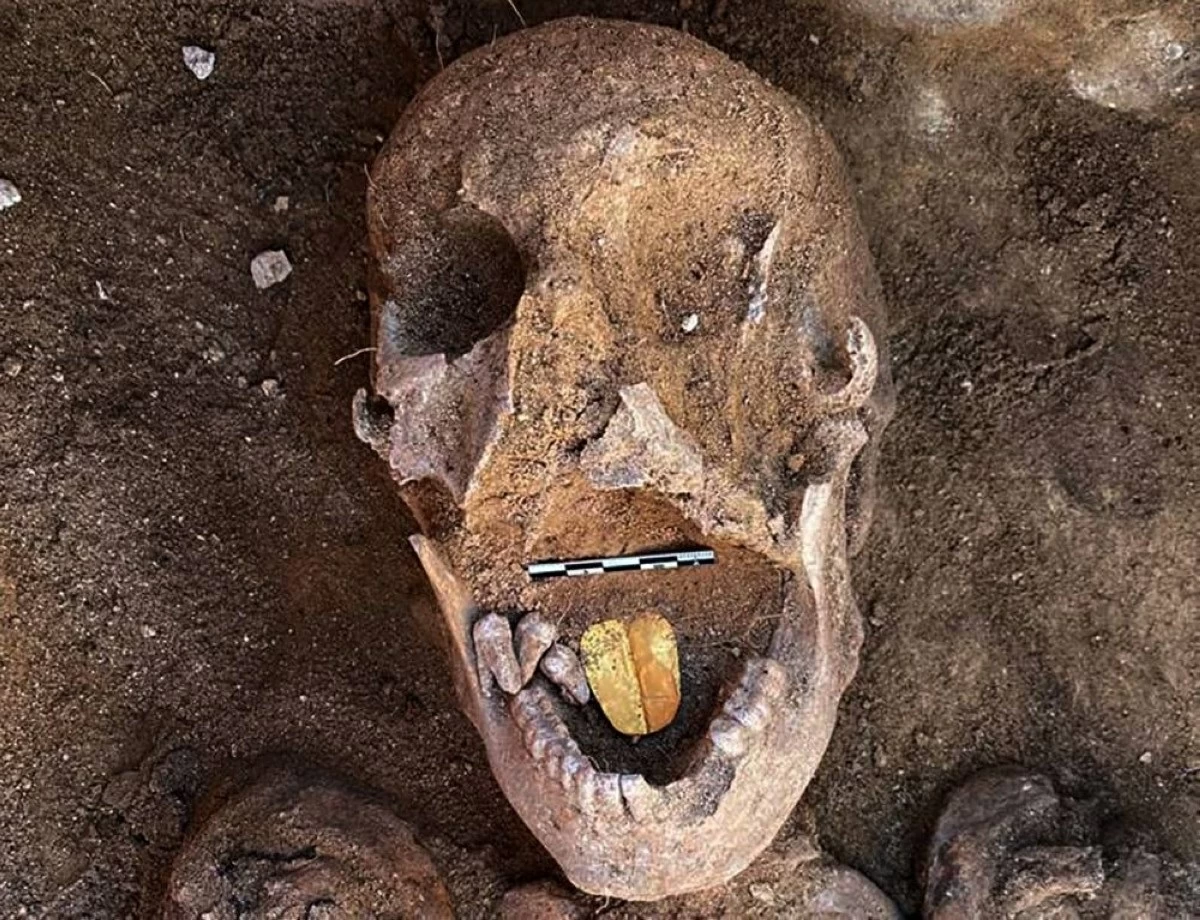
تخيل أن تفتح جمجمة عمرها أكثر من 2000 عام، لتجد بدلاً من اللسان البشري رقاقة صلبة من الذهب الخالص تلمع في الظلام. هذا ليس مشهداً من فيلم رعب أثري، بل ما وثقته البعثة المصرية الإسبانية في أرض «البهنسا» بمحافظة المنيا، بعد العثور على 13 مومياء بداخل أفواهها ألسنة ذهبية تعود للعصر البطلمي، في طقس خفي أثار حيرة الأوساط الأثرية العالمية.
محاكمة لا تحتمل الصمت
سلط تقرير صحفي حديث الضوء على الحادثة، مشيراً إلى أن السؤال الذي يراود الجميع: لماذا يُحشى فم الميت بالذهب؟ وهنا تبين أن إجابة الكهنة المصريين القدامى لم تكن تتعلق بالثراء، بل بـ«الفزع من الفناء»، إذ اعتقد المصري القديم أن المتوفى سيقف أعزلاً أمام محكمة الآلهة لمحاسبته على أفعاله. ولأن اللسان البشري يتحلل سريعاً تحت التراب، كان الكهنة يزرعون «لساناً من الذهب» لأنه المعدن الوحيد الذي لا يفسد، وذلك لضمان أن يظل الميت قادراً على النطق، والمدافعة عن نفسه، ونطق العبارات السحرية للعبور إلى الأبدية.
لم تكن المقبرة تحتوي على الألسن الذهبية فقط، بل كشفت عن «درع جنائزي» متكامل:
- مسامير من رقائق الذهب: تم تثبيتها ببراعة على أصابع اليدين والقدمين لمنع القوى الشريرة من شل حركة الميت.
- 29 تميمة حارسة: رموز لآلهة التحنيط «أنوبيس» والحكمة «تحوت» صُممت لحماية القلب والروح.
- لوحات جدارية نادرة: ألوانها لم تتأثر بمرور الزمن، وتجسد صاحب المقبرة وهو يُقدم القرابين وسط عائلته.
يثبت هذا الاكتشاف أن الذهب بالنسبة للمصري القديم لم يكن زينة للحياة الدنيا فحسب، بل كان «تذكرة عبور» وسلاحاً ناطقاً في عالم الموتى.
Imagine opening a skull that is over 2000 years old, only to find instead of a human tongue a solid chip of pure gold shining in the dark. This is not a scene from an archaeological horror film, but what the Egyptian-Spanish mission documented in the land of "Bahnasa" in Minya Governorate, after discovering 13 mummies with golden tongues in their mouths dating back to the Ptolemaic era, in a hidden ritual that puzzled global archaeological circles.
A Trial That Cannot Bear Silence
A recent news report shed light on the incident, pointing out that the question on everyone's mind is: why is the mouth of the dead filled with gold? Here it became clear that the answer from the ancient Egyptian priests was not related to wealth, but to "the fear of annihilation," as the ancient Egyptian believed that the deceased would stand defenseless before the court of the gods to be judged for their actions. And because the human tongue decomposes quickly under the earth, the priests would implant "a tongue of gold" since it is the only metal that does not decay, ensuring that the deceased remains able to speak, defend themselves, and utter the magical phrases to cross into eternity.
The tomb did not contain only the golden tongues, but also revealed a complete "funerary armor":
- Gold leaf nails: expertly affixed to the fingers of the hands and feet to prevent evil forces from paralyzing the deceased.
- 29 protective amulets: symbols of the embalming god "Anubis" and the god of wisdom "Thoth," designed to protect the heart and soul.
- Rare wall paintings: their colors have not been affected by the passage of time, depicting the tomb's owner presenting offerings amidst their family.
This discovery proves that gold for the ancient Egyptian was not just an ornament for worldly life, but a "ticket for passage" and a speaking weapon in the realm of the dead.