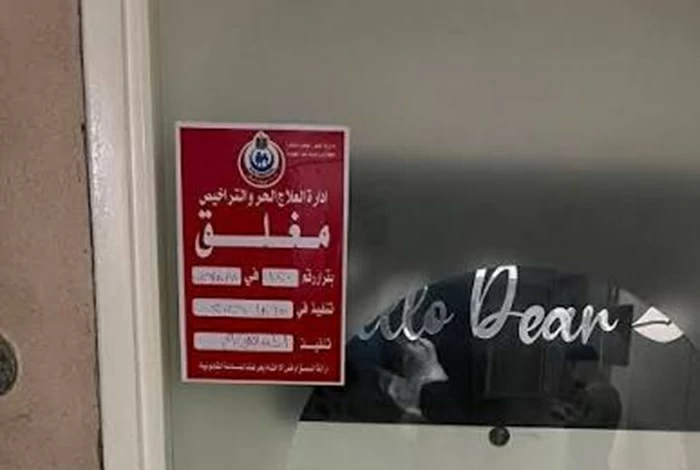
أثارت وفاة طفل عقب خضوعه لعملية استئصال اللوزتين داخل أحد المستشفيات الخاصة بمدينة نصر موجة جدل واسعة، بعدما أصدرت وزارة الصحة والسكان قرارًا بغلق مستشفى خاص وتشميعه، إثر فحص فني وإداري شامل لملابسات الواقعة.
وتعود تفاصيل الحادثة إلى الثامن من سبتمبر 2026، حين خضع الطفل للجراحة قبل أن تتدهور حالته الصحية فور الإفاقة من التخدير؛ وفق رواية إدارة المستشفى، ليُنقل إلى وحدة الرعاية المركزة ويتلقى العلاج لمدة أربعة أيام انتهت بوفاته.
وشكّلت وزارة الصحة لجنة عليا ضمّت ممثلين عن الجهات المختصة وإدارة العلاج الحر بالقاهرة، لمراجعة الملف الطبي والإجراءات التي اتُّبعت قبل الجراحة وأثناءها وبعدها. وأسفرت أعمال اللجنة عن رصد مخالفات تتعلق بسياسات مكافحة العدوى، إلى جانب عدم استيفاء الملف الطبي للطفل وغياب بعض الإجراءات الطبية المتعارف عليها، ما دفع إلى تنفيذ قرار الغلق بالتعاون مع شرطة المرافق وإحالة الواقعة إلى النيابة العامة.
في المقابل، قدّمت إدارة المستشفى روايتها، مؤكدة أنها استعانت بأساتذة واستشاريي التخدير من داخل المستشفى وخارجه لمراجعة الحالة، وأن ما ظهر من أعراض يتطابق -بحسب تقييمها- مع متلازمة (فرط الحرارة الخبيث)؛ وهي حالة نادرة قد تصيب أشخاصًا لديهم استعداد وراثي تجاه بعض أدوية التخدير، وتتسبب في ارتفاع شديد لحرارة الجسم واضطرابات خطيرة في العضلات ووظائف الأعضاء.
وأوضحت الإدارة أن الأعراض ظهرت خلال مرحلة الإفاقة من التخدير بعد جراحة استغرقت نحو 25 دقيقة، وأن الفريق الطبي تعامل مع الحالة داخل غرفة العمليات قبل نقل الطفل إلى الرعاية المركزة، حيث تلقى العلاج وفق البروتوكولات المعتمدة دون أن تنجح محاولات إنقاذه.
وتبقى أسباب الوفاة والمسؤوليات الطبية والإدارية قيد التحقيق، إذ إن قرار الغلق ورصد المخالفات لا يحسم وحده العلاقة بين تلك المخالفات والنتيجة التي انتهت إليها حالة الطفل. وتتولى النيابة العامة فحص الملف الطبي والإجراءات التي اتُّبعت، إلى جانب ما رصدته لجنة وزارة الصحة؛ تمهيدًا لتحديد السبب النهائي للوفاة وأي مسؤوليات قانونية إذا ثبت وجودها.
The death of a child following a tonsillectomy at a private hospital in Nasr City has sparked widespread controversy, after the Ministry of Health and Population issued a decision to close and seal the hospital, following a comprehensive technical and administrative investigation into the circumstances of the incident.
The details of the incident date back to September 8, 2026, when the child underwent surgery before his health deteriorated immediately after waking up from anesthesia; according to the hospital's management, he was transferred to the intensive care unit and received treatment for four days, which ended in his death.
The Ministry of Health formed a high-level committee that included representatives from the relevant authorities and the Cairo Health Care Administration, to review the medical file and the procedures followed before, during, and after the surgery. The committee's work revealed violations related to infection control policies, in addition to the child's medical file not being complete and the absence of some standard medical procedures, which led to the decision to close the hospital in cooperation with the municipal police and refer the case to the public prosecutor.
In contrast, the hospital management provided its account, confirming that it sought the assistance of professors and anesthesia consultants from both inside and outside the hospital to review the case, and that the symptoms observed were consistent—according to their assessment—with Malignant Hyperthermia Syndrome; a rare condition that can affect individuals with a genetic predisposition to certain anesthetic drugs, causing a severe increase in body temperature and serious disturbances in muscles and organ functions.
The management clarified that the symptoms appeared during the recovery phase from anesthesia after a surgery that lasted about 25 minutes, and that the medical team dealt with the case in the operating room before transferring the child to intensive care, where he received treatment according to the approved protocols, but attempts to save him were unsuccessful.
The causes of death and medical and administrative responsibilities remain under investigation, as the closure decision and the identification of violations alone do not determine the relationship between those violations and the outcome of the child's condition. The public prosecutor is examining the medical file and the procedures followed, along with what the Ministry of Health's committee has observed; in preparation for determining the final cause of death and any legal responsibilities if proven to exist.