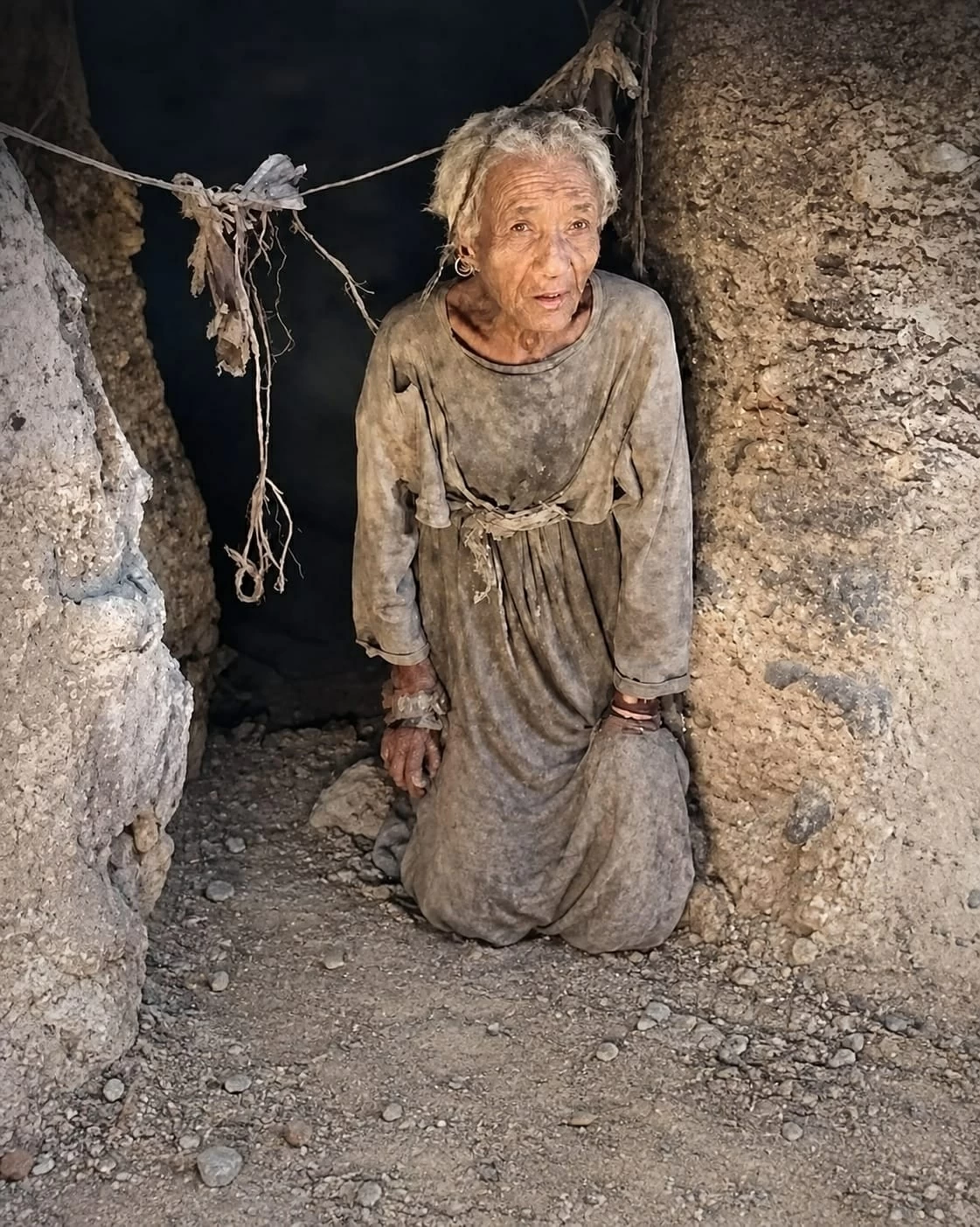
في عمق دوار «الركاركة» بإقليم آسفي المغربي، لم تكن الصدمة المسجلة عبر منصات التواصل الاجتماعي تتمثل في اكتشاف أن المسنة الثمانينية مي حسبية تعيش وحيدة داخل مغارة صخرية مظلمة تفتقر لأدنى مقومات الحياة، بل تمثلت المفاجأة في الموقف غير المتوقع الذي واجهت به فرق الرعاية الطبية ولجان المساعدة الاجتماعية حين وصلت لإنقاذها.
تدخلت السلطات المغربية لتعرض نقلها الفوري للمستشفى الإقليمي ثم إيوائها بدار دافئة للرعاية، لكن العرض الحكومي السخي قوبل برفض قاطع وإصرار من المسنة الثمانينية على البقاء بين جدران كهفها الصخري.
لم تبدأ حكاية مي حسبية مع انتشار صورها، فهي امرأة لم تتزوج قط، ورحلت والدتها وشقيقها لتبقى وحيدة بلا أبناء، بينما تشتت بقية عائلتها بعيداً. ومع مرور الزمن، تحول هذا الكهف من مجرد ملجأ إلى وطنها الوحيد ومحيطها الذي تحفظ تفاصيله عن ظهر قلب:
ارتباط أسطوري بالمكان: فشلت كل محاولات الأقارب والمحسنين لإقناعها بالرحيل، حتى حين استضافها أحد الجيران في منزله لثلاثة أيام أثناء الأمطار الغزيرة، سارعت بالعودة إلى كهفها فور توقف المطر.
رفض البناء البديل: رفضت مي حسبية حتى العرض المقدم من بعض المحسنين لبناء غرفة جديدة ولائقة لها فوق أرضها، متمسكة بنمط حياتها داخل المغارة الصخرية.
كشف وصول اللجان الحكومية والصحية إلى الكهف أن السيدة حظيت ببعض الرعاية الطبية والمواد الأساسية في مكانها، لكنها قابلت طلب نقلها للاستشفاء برفض تام.
وفي الوقت نفسه، صحح الجيران الشائعات المتداولة عبر الإنترنت حول تناولها للتراب بسبب الفقر، مؤكدين أنها تتناول الطعام المقدم لها طبيعياً، وأن لجوءها للتراب في أوقات نادرة مرتبط بالتعامل البدائي مع آلام قرحة المعدة.
وسرعان ما تحولت قضية مي حسبية إلى معضلة إنسانية وحقوقية معقدة أمام الجمعية الوطنية للدفاع عن حقوق الإنسان بالمغرب والجهات الحكومية الرسمية، فالهدف ليس إجلاءها قسرياً، بل البحث عن صيغة تضمن توفير الأمان والرعاية الصحية لها في نفس مغارتها الصخرية، احتراماً لرغبتها وارتباطها النفسي بالكهف الذي طالما شعرت فيه بالانتماء والكرامة.
In the depths of the "Rkaraka" roundabout in the Moroccan province of Safi, the shock recorded on social media was not merely the discovery that the eighty-year-old elderly woman, Mai Hasbiya, was living alone in a dark rocky cave lacking the most basic necessities of life, but rather the surprise lay in the unexpected stance she took when confronted by medical care teams and social assistance committees upon their arrival to rescue her.
The Moroccan authorities intervened to offer her immediate transfer to the regional hospital and then to shelter in a warm care home, but the generous government offer was met with a firm refusal and insistence from the eighty-year-old woman to remain within the walls of her rocky cave.
The story of Mai Hasbiya did not begin with the spread of her photos; she is a woman who has never married, and after the passing of her mother and brother, she remained alone without children, while the rest of her family scattered far away. Over time, this cave transformed from merely a refuge into her only homeland and the environment she knows by heart:
Legendary attachment to the place: All attempts by relatives and benefactors to convince her to leave failed, even when a neighbor hosted her in his home for three days during heavy rains, she hurried back to her cave as soon as the rain stopped.
Rejection of alternative housing: Mai Hasbiya even rejected an offer from some benefactors to build her a new, decent room on her land, insisting on her lifestyle within the rocky cave.
The arrival of government and health committees at the cave revealed that the lady had received some medical care and essential supplies in her place, but she completely refused the request for her transfer for treatment.
At the same time, neighbors corrected the rumors circulating online about her eating dirt due to poverty, confirming that she eats the food provided to her naturally, and that her rare resort to dirt is linked to a primitive way of dealing with stomach ulcer pain.
Quickly, the case of Mai Hasbiya turned into a complex humanitarian and rights dilemma before the National Association for the Defense of Human Rights in Morocco and official government bodies, as the goal is not to forcibly evacuate her, but to find a way to ensure her safety and health care in her rocky cave, respecting her wishes and her psychological attachment to the cave where she has always felt belonging and dignity.