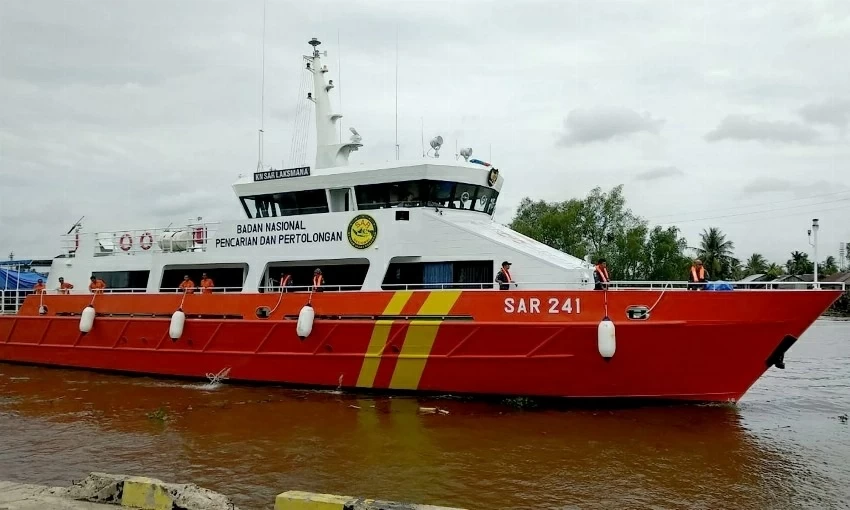
تواصل فرق الإنقاذ الإندونيسية، بمشاركة خفر السواحل والبحرية، عمليات البحث المكثفة عن 129 شخصاً مفقوداً بعد انقلاب سفينة ركاب في بحر جاوة خلال عطلة نهاية الأسبوع، بينما ارتفعت حصيلة الوفيات المؤكدة إلى ستة أشخاص.
وقالت وكالة البحث والإنقاذ الوطنية الإندونيسية إن سفينة الركاب «فيرغو ترانسبورت 8»، التي كانت تقل 243 شخصاً، فقدت في وقت مبكر من صباح الأحد وسط أحوال جوية سيئة، أثناء إبحارها من مدينة سورابايا في إقليم جاوة الشرقية إلى بانجارماسين في كاليمانتان الجنوبية.
وتمكنت فرق الإنقاذ حتى الآن من إنقاذ 108 أشخاص من ركاب وأفراد طاقم السفينة، فيما لا يزال مصير 129 شخصاً مجهولاً.
الطقس يعرقل عمليات الإنقاذ
وقال رئيس وكالة البحث والإنقاذ الوطنية، محمد شفيعي، إن ارتفاع الأمواج وقوة الرياح واضطراب مياه البحر عرقلت عمليات البحث، مشيراً إلى أن الظروف الجوية حالت دون وصول فرق الإنقاذ إلى أجزاء من السفينة التي انقلبت وأصبح جزء منها مغموراً بالمياه.
وأضاف أن السلطات حشدت ما لا يقل عن 622 من أفراد الإنقاذ، و17 سفينة، وخمس مروحيات وطائرات للمشاركة في عمليات البحث عن المفقودين.
وأوضح شفيعي أن بعض السفن وصلت بالفعل إلى موقع الحادثة، لكن الظروف البحرية الصعبة جعلت الاقتراب من السفينة المنكوبة أمراً بالغ الصعوبة.
وقال إن فرقاً متخصصة في عمليات الإنقاذ تحت الماء مستعدة للمشاركة، إلا أن الظروف الحالية لا تسمح بتنفيذ هذا النوع من العمليات، مضيفاً أن السلطات تعمل على تجهيز المزيد من العناصر المتخصصة ريثما تتحسن الأحوال الجوية.
وبحلول ظهر الإثنين، لم تتمكن فرق الإنقاذ من العثور على أي من الأشخاص الـ129 المفقودين، وفق مسؤول في وكالة البحث والإنقاذ.
أمواج بارتفاع ثلاثة أمتار قلبت السفينة
وذكرت السلطات أن الطقس كان شديد السوء وقت وقوع الحادثة، حيث وصلت الأمواج إلى ارتفاع نحو ثلاثة أمتار واصطدمت بالسفينة بقوة.
وقال مسؤولون إن الرحلة من مركز القيادة في ميناء تريساكتي إلى موقع الحادثة تستغرق نحو خمس ساعات في الظروف الجوية الطبيعية، لكنها قد تمتد إلى تسع ساعات عندما تكون المياه مضطربة.
وكان مسؤول في وكالة البحث والإنقاذ قد ذكر الأحد أن السفينة بدأت تميل بشدة إلى أحد جانبيها بعدما ضربتها أمواج قوية من جهة اليمين، قبل أن تنقلب في مياه بحر جاوة.
وأكد وزير النقل الإندونيسي دودي بورواجاندي أن السفينة كانت مصممة لاستيعاب نحو 500 راكب، وبالتالي لم تكن محملة بأكثر من طاقتها المقررة.
منطقة شهدت كوارث بحرية دامية
وقعت الحادثة في بحر جاوة، الذي يقع بين جزر جاوة وسومطرة وسولاويسي وبورنيو، وهي من أكثر الجزر اكتظاظاً بالسكان في إندونيسيا.
وشهدت المنطقة على مدار العقود الماضية عدداً من أسوأ الكوارث البحرية والجوية في البلاد، فيما يُطلق على جزء من بحر جاوة، بالقرب من جزر ماسالمبو، أحياناً اسم «مثلث برمودا الإندونيسي» بسبب تكرار حوادث الطيران والملاحة البحرية فيه.
وفي عام 1981، غرقت السفينة «تامبوناس 2» في المنطقة، في حادث أسفر، وفق تقديرات مختلفة، عن مقتل نحو 600 شخص، كما شهدت المنطقة حادث تحطم طائرة عام 2007 أدى إلى مقتل أكثر من 100 شخص.
حوادث متكررة في قطاع النقل البحري
وتعتمد إندونيسيا، التي تتكون من نحو 17 ألف جزيرة، بصورة كبيرة على العبارات والسفن لنقل الركاب بين الجزر، إذ تمثل الرحلات البحرية خياراً أقل تكلفة وأكثر سهولة بالنسبة لكثير من السكان مقارنة بالسفر الجوي.
لكن قطاع النقل البحري الإندونيسي شهد سلسلة من الحوادث خلال السنوات الماضية، وفي الشهر الماضي، اندلع حريق في عبارتي ركاب في حادثين منفصلين، أسفرا عن مقتل ستة أشخاص، بينهم خمسة لقوا حتفهم قبالة جزيرة مادورا، وشخص واحد في حادث على خط بحري يربط جزيرة بالي بمناطق أخرى.
وتواصل السلطات عمليات البحث والإنقاذ في بحر جاوة، وسط توقعات بأن تبقى الأحوال الجوية العامل الرئيسي المحدد لقدرة الفرق على الوصول إلى بقية المفقودين.
Indonesian rescue teams, with the participation of the coast guard and navy, continue intensive search operations for 129 missing persons after a passenger ship capsized in the Java Sea over the weekend, while the confirmed death toll has risen to six people.
The Indonesian National Search and Rescue Agency stated that the passenger ship "Virgo Transport 8," which was carrying 243 people, went missing early Sunday morning amid bad weather while sailing from the city of Surabaya in East Java to Banjarmasin in South Kalimantan.
So far, rescue teams have managed to save 108 people from the passengers and crew of the ship, while the fate of 129 individuals remains unknown.
Weather Disrupts Rescue Operations
The head of the National Search and Rescue Agency, Muhammad Shafii, stated that high waves, strong winds, and turbulent waters have hindered search operations, noting that weather conditions have prevented rescue teams from reaching parts of the capsized ship, some of which are submerged in water.
He added that authorities have mobilized at least 622 rescue personnel, 17 ships, and five helicopters and planes to participate in the search for the missing.
Shafii explained that some ships have already reached the accident site, but difficult maritime conditions have made it extremely challenging to approach the stricken vessel.
He said specialized underwater rescue teams are ready to participate, but current conditions do not allow for this type of operation, adding that authorities are working on preparing more specialized personnel until weather conditions improve.
By Monday afternoon, rescue teams had not been able to locate any of the 129 missing persons, according to an official from the search and rescue agency.
Waves of Three Meters Capsized the Ship
Authorities reported that the weather was extremely poor at the time of the incident, with waves reaching about three meters high crashing violently against the ship.
Officials stated that the journey from the command center at the Trisakti port to the accident site takes about five hours under normal weather conditions, but it could extend to nine hours when the waters are turbulent.
An official from the search and rescue agency mentioned on Sunday that the ship began to tilt sharply to one side after being struck by strong waves from the right before capsizing in the waters of the Java Sea.
Indonesian Transport Minister Budi Karya Sumadi confirmed that the ship was designed to accommodate about 500 passengers, and thus was not overloaded beyond its intended capacity.
A Region That Has Seen Bloody Maritime Disasters
The incident occurred in the Java Sea, which lies between the islands of Java, Sumatra, Sulawesi, and Borneo, some of the most densely populated islands in Indonesia.
The region has witnessed several of the worst maritime and aerial disasters in the country over the past decades, with part of the Java Sea, near the Masalembo Islands, sometimes referred to as the "Indonesian Bermuda Triangle" due to the frequency of aviation and maritime accidents in the area.
In 1981, the ship "Tambonas 2" sank in the region, in an incident that, according to various estimates, resulted in the deaths of around 600 people. The area also witnessed a plane crash in 2007 that killed more than 100 people.
Recurring Incidents in the Maritime Transport Sector
Indonesia, which consists of about 17,000 islands, heavily relies on ferries and ships to transport passengers between the islands, as maritime journeys represent a less expensive and more convenient option for many residents compared to air travel.
However, the Indonesian maritime transport sector has experienced a series of accidents over the past years. Last month, a fire broke out on two passenger ferries in separate incidents, resulting in the deaths of six people, including five who died off the island of Madura and one in an incident on a sea route linking Bali to other areas.
Authorities continue search and rescue operations in the Java Sea, amid expectations that weather conditions will remain the primary factor determining the teams' ability to reach the remaining missing persons.