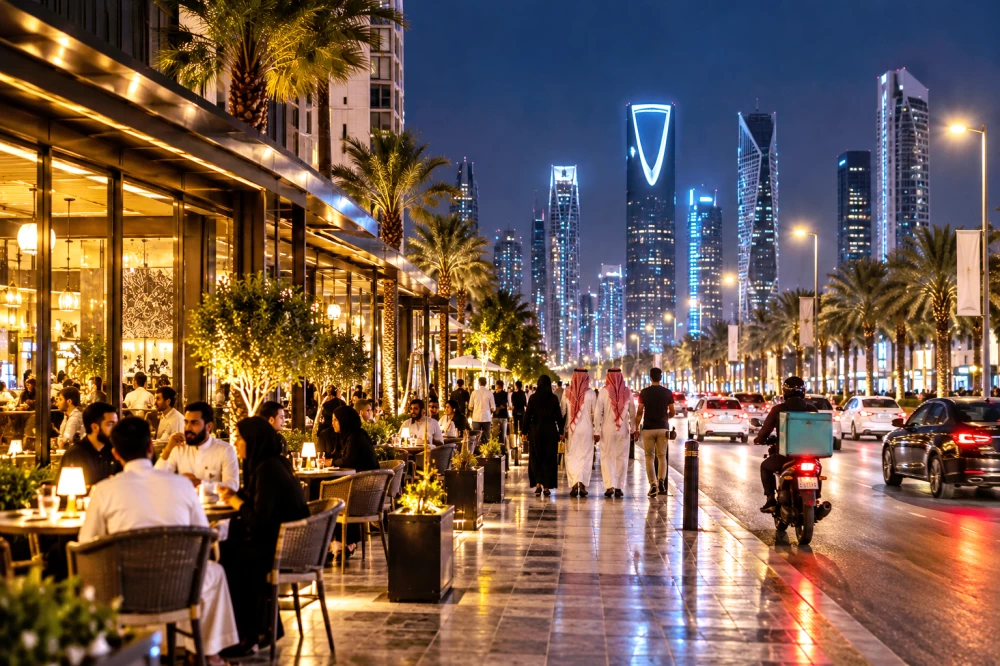
عند منتصف الليل، كانت المدينة تخفّض إيقاعها تدريجياً؛ تُغلق المتاجر، وتفرغ الشوارع، وتنتهي الزيارات، ويصبح السهر استثناءً يرتبط بمناسبة أو عطلة.
اليوم، يبدو المشهد مختلفاً في مدن كثيرة؛ مطاعم تستقبل زبائنها حتى ساعات متأخرة، ومتاجر تعمل ليلاً، وطلبات تصل إلى أبواب المنازل، وشاشات تواصل بثها وترفيهها حتى الصباح.
امتد اليوم إلى مساحة كانت محسوبة تاريخياً للراحة، وساعدت الخدمات الرقمية والعمل المرن وتطبيقات التوصيل وتعدد خيارات الترفيه على إعادة تشكيل علاقة الناس بالليل. ولم يعد الخروج المتأخر بالضرورة سهرة استثنائية؛ قد يكون موعداً لتناول القهوة، أو التسوق، أو ممارسة الرياضة، أو إنجاز عمل تأجل منذ الصباح.
يحمل هذا التحوّل وجهاً اقتصادياً واضحاً؛ فالساعات الإضافية تعني فرصاً أكبر للمطاعم والمتاجر والنقل والخدمات، وتمنح العاملين في أوقات مختلفة خيارات كانت محدودة سابقاً، كما أن المدن التي يطول نشاطها تكتسب إيقاعاً أكثر مرونة، خصوصاً خلال المواسم والعطلات.
لكن الوجه الآخر يستحق القراءة بعيداً عن الاحتفاء الدائم بـ«مدينة لا تنام»؛ فكل خدمة تعمل حتى الفجر تقف خلفها سلسلة من العاملين، وكل ساعة إضافية للنشاط تعني مزيداً من الإضاءة والحركة والاستهلاك، كما أن وفرة الخيارات الليلية تجعل الحدود بين نهاية اليوم وبدايته أقل وضوحاً.
والهاتف بدوره أطال الليل داخل المنزل؛ حلقة أخرى، ومقطع آخر، وطلب يصل بعد منتصف الليل، ورسالة عمل يمكن الرد عليها الآن بدلاً من الصباح.
المسألة هنا أكبر من مواعيد إغلاق المحلات؛ المدينة الحديثة أعادت توزيع ساعات الحياة نفسها، ومنحت الليل وظيفة اقتصادية واجتماعية جديدة.
ويبقى السؤال: عندما تصبح كل ساعة صالحة للعمل والتسوق والترفيه، أين تذهب تلك المساحة التي كان اسمها ببساطة.. نهاية اليوم؟
At midnight, the city gradually slows its pace; shops close, streets empty, visits come to an end, and staying up late becomes an exception tied to an occasion or holiday.
Today, the scene looks different in many cities; restaurants welcome their customers until late hours, shops operate at night, deliveries arrive at doorsteps, and screens continue their broadcasts and entertainment until morning.
The day has expanded into a space that was historically reserved for rest, and digital services, flexible work, delivery apps, and a variety of entertainment options have helped reshape people's relationship with the night. Late outings are no longer necessarily exceptional evenings; they can be a time for coffee, shopping, exercising, or completing work that was postponed since the morning.
This transformation has a clear economic face; extra hours mean greater opportunities for restaurants, shops, transportation, and services, and provide workers with options that were previously limited. Cities that remain active longer gain a more flexible rhythm, especially during seasons and holidays.
However, the other side deserves to be read away from the constant celebration of the "city that never sleeps"; every service operating until dawn is backed by a chain of workers, and every additional hour of activity means more lighting, movement, and consumption. The abundance of nighttime options makes the boundaries between the end of the day and its beginning less clear.
The phone, in turn, has extended the night inside the home; another episode, another clip, a delivery arriving after midnight, a work message that can be responded to now instead of in the morning.
The issue here is bigger than store closing times; the modern city has redistributed the hours of life itself, granting the night a new economic and social function.
And the question remains: when every hour becomes suitable for work, shopping, and entertainment, where does that space that was simply called... the end of the day go?