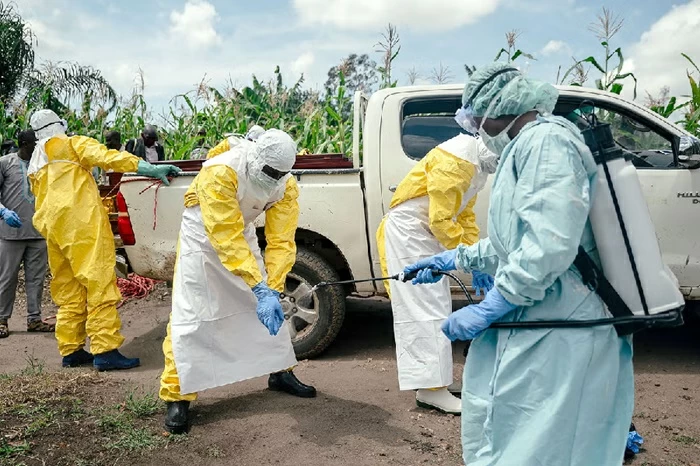
أعلنت منظمة الصحة العالمية أنها بحاجة إلى تعزيز عاجل في كوادرها الميدانية داخل جمهورية الكونغو الديمقراطية، مع تقديرها ضرورة توفير خمسة آلاف عامل صحي إضافي لاحتواء التفشي المتسارع لفايروس (إيبولا)، الذي يواصل انتشاره في ست مقاطعات شرقية وشمالية شرقية تشهد اضطرابات أمنية ونزاعات مسلحة.
ومنذ رصد التفشي في منتصف مايو، سجّلت السلطات الصحية أكثر من 6600 إصابة مؤكدة، فيما ارتفع عدد الوفيات إلى 3175 شخصًا، وسط ضغط هائل على البنية الصحية التي تعاني أصلًا من نقص في الموارد والكوادر، ما يجعل التعامل مع الارتفاع الكبير في الإصابات مهمة شديدة التعقيد.
وتأمل المنظمة في توفير ثلاثة آلاف سرير داخل مراكز علاج إيبولا، إلا أن ذلك يتطلب تدريب نحو تسعة آلاف عامل صحي؛ نظرًا لحاجة كل مريض إلى ثلاثة أفراد من الطواقم الطبية. وقال لوكا فونتانا، المسؤول الفني في المنظمة: «إن الاستجابة الحالية وفّرت 1400 سرير في 59 مركزًا، لكنها لا تزال أقل بكثير من الاحتياجات المتزايدة، مع تقديرات تشير إلى ضرورة إضافة 1600 سرير جديد».
ويعد هذا التفشي، الناجم عن سلالة (بونديبوغيو) النادرة التي لا تتوفر لها لقاحات أو علاجات معتمدة، الأكبر في تاريخ الكونغو الديمقراطية، إذ ضرب مناطق تعاني ضعفًا في حضور الدولة وتدهورًا في البنية الصحية، فضلًا عن انتشار جماعات مسلحة تعيق وصول الفرق الطبية.
وخلال العقود الماضية، تسبب فايروس إيبولا في وفاة أكثر من 15 ألف شخص في إفريقيا، فيما كان أسوأ تفشٍّ سابق في الكونغو بين عامي 2018 و2020، وأسفر عن وفاة نحو 2300 شخص من أصل 3500 إصابة.
The World Health Organization has announced that it urgently needs to strengthen its field staff within the Democratic Republic of the Congo, estimating the necessity of providing an additional five thousand health workers to contain the rapidly spreading Ebola virus, which continues to spread in six eastern and northeastern provinces experiencing security disturbances and armed conflicts.
Since the outbreak was detected in mid-May, health authorities have recorded more than 6,600 confirmed cases, while the death toll has risen to 3,175 people, amid immense pressure on a health infrastructure that is already suffering from a lack of resources and personnel, making it extremely complicated to deal with the significant rise in cases.
The organization hopes to provide three thousand beds within Ebola treatment centers, but this requires training about nine thousand health workers, as each patient needs three medical staff members. Luca Fontana, the technical officer at the organization, stated: "The current response has provided 1,400 beds in 59 centers, but it is still far below the increasing needs, with estimates indicating the necessity to add 1,600 new beds."
This outbreak, caused by the rare Bundibugyo strain for which no vaccines or approved treatments are available, is the largest in the history of the Democratic Republic of the Congo, affecting areas that suffer from weak state presence and deteriorating health infrastructure, in addition to the presence of armed groups that hinder medical teams' access.
Over the past decades, the Ebola virus has caused the deaths of more than 15,000 people in Africa, with the worst previous outbreak in the Congo occurring between 2018 and 2020, resulting in the deaths of about 2,300 people out of 3,500 cases.