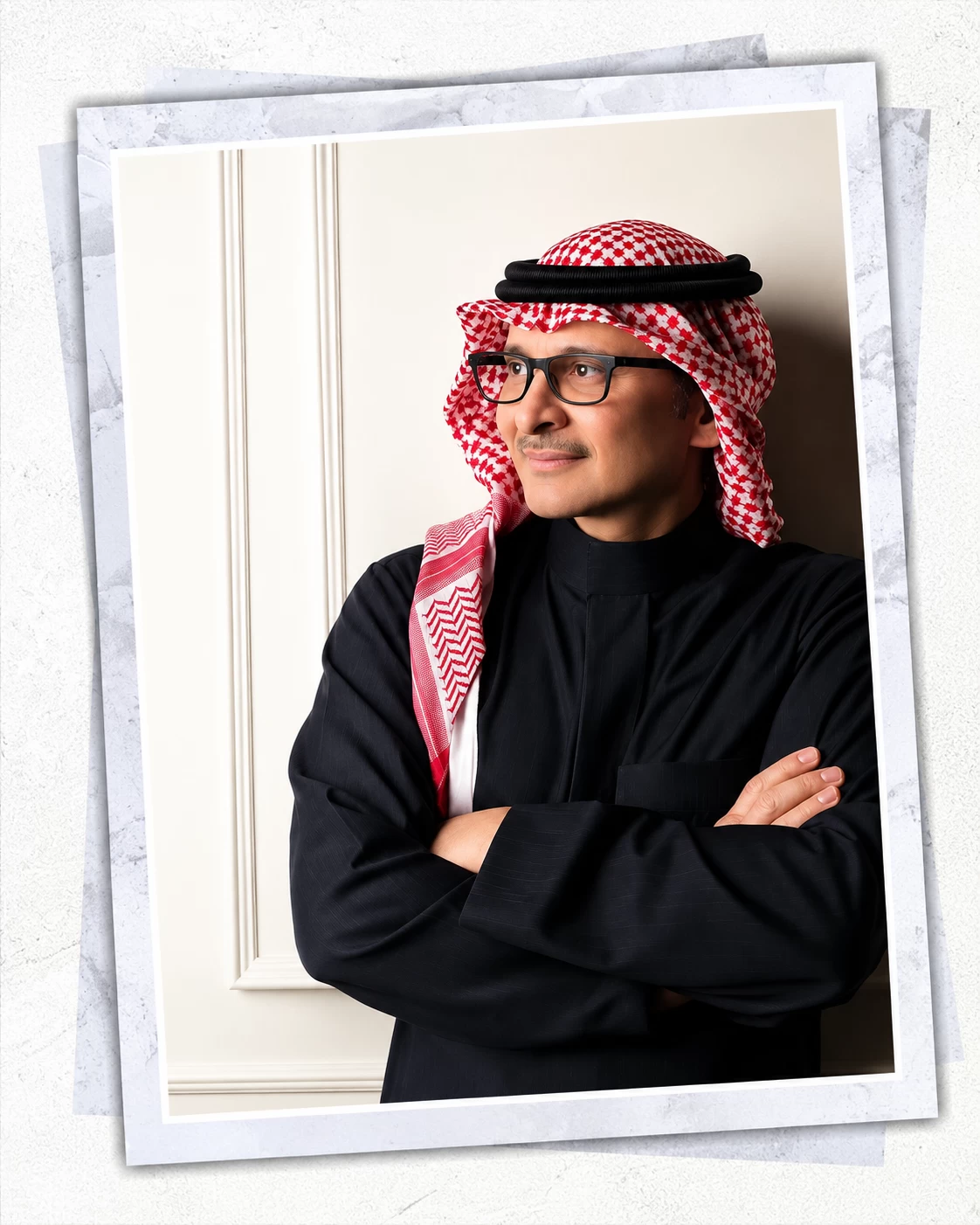
طرح الفنان السعودي عبدالمجيد عبدالله ألبومه الجديد «عبدالمجيد 2026»، واضعاً 21 أغنية أمام الجمهور دفعة واحدة، في عودة إلى صيغة الألبوم الغنائي الطويل بعد خمسة أعوام من «عالم موازي»، وفي توقيت تبدو فيه سوق الموسيقى أكثر ميلاً إلى الأغنية المنفردة والإصدارات المتتابعة قصيرة المدى.
ويحمل الألبوم مساحة واسعة من التعاونات الشعرية واللحنية، فيما تتوزع أغنياته بين «عودت قلبي»، و«عويد الراك»، و«أنا يندم علي»، و«آسف»، و«الأمان»، و«قالوها»، و«قدر ينسى»، و«هيبة»، و«حبك توقف»، و«جيتك»، و«كسر خاطري»، و«يا محسنين»، و«أفكر فيه»، و«مابي وداعك»، و«ممنوع»، و«خلك معي»، و«متاهة كذب»، و«صدفة»، و«طلبتك»، و«بذمتك»، و«وينه».
ويبدو اختيار 21 أغنية أقرب إلى رهان فني على تنوع المادة ومنح الجمهور مساحة أكبر للاختيار، لكنه يضع الألبوم في الوقت ذاته أمام اختبار مختلف؛ فوفرة الأغنيات لا تمنح العمل تفوقاً تلقائياً بقدر ما تجعل قدرته على إنتاج أكثر من أغنية قابلة للبقاء هي المعيار الحقيقي لنجاح التجربة.
وتبرز في قائمة صناع الألبوم أسماء متعددة في الشعر واللحن والتوزيع، من بينها فهد المساعد، وسعود البابطين، وتركي، وعبدالله بن فيصل بن يزيد، وأحمد الصانع، إلى جانب الملحنين سهم، وأحمد الهرمي، وعزوف، وطارق محمد، ووليد الشامي، وعبدالله آل سهل، وغيرهم، بما يمنح المشروع تنوعاً واضحاً في مصادره الموسيقية.
وبين كثافة الأسماء وتعدد الخيارات، تبقى الأيام الأولى بعد الطرح، هي التي ستكشف الأغنيات القادرة على الخروج من إطار الألبوم لتصنع حضورها الخاص؛ خصوصاً أن عبدالمجيد عبدالله يدخل بهذه التجربة سوقاً تغيرت فيها قواعد الاستماع، وأصبح نجاح العمل الطويل مرهوناً بقدرته على إبقاء المستمع داخله، لا بمجرد عدد الأغنيات التي يقدمها.
The Saudi artist Abdulmajid Abdullah has released his new album "Abdulmajid 2026," presenting 21 songs to the audience all at once, marking a return to the long album format after five years since "Parallel World." This release comes at a time when the music market seems more inclined towards singles and short-term releases.
The album features a wide range of collaborations in lyrics and melodies, with songs including "Awdat Qalbi," "Awid Al-Rak," "Ana Yindam Alay," "Asif," "Al-Aman," "Qalouha," "Qadr Yansa," "Haybah," "Hubbak Tawaqqaf," "Jitak," "Kasar Khateri," "Ya Muhsinin," "Afakkar Fih," "Mabi Wada'ak," "Mamnoo'," "Khallik Ma'i," "Matahat Kidhb," "Sodfa," "Talabtak," "Bidhmatak," and "Waynah."
Choosing 21 songs seems more like an artistic bet on the diversity of the material and giving the audience a larger space for choice, but it also places the album in a different test; the abundance of songs does not automatically give the work an advantage, as the true measure of the success of the experience lies in its ability to produce more than one song that can endure.
The list of contributors to the album includes multiple names in lyrics, melody, and arrangement, including Fahd Al-Musaid, Saud Al-Babtain, Turki, Abdullah bin Faisal bin Yazid, Ahmad Al-San'a, along with composers Sahm, Ahmad Al-Harami, Azouf, Tarek Muhammad, Walid Al-Shami, Abdullah Al-Sahl, and others, which provides the project with a clear diversity in its musical sources.
Amid the density of names and the variety of options, the early days after the release will reveal which songs are capable of stepping out of the album's framework to create their own presence; especially since Abdulmajid Abdullah enters this experience in a market where the rules of listening have changed, and the success of a long work is contingent on its ability to keep the listener engaged, not merely on the number of songs it presents.