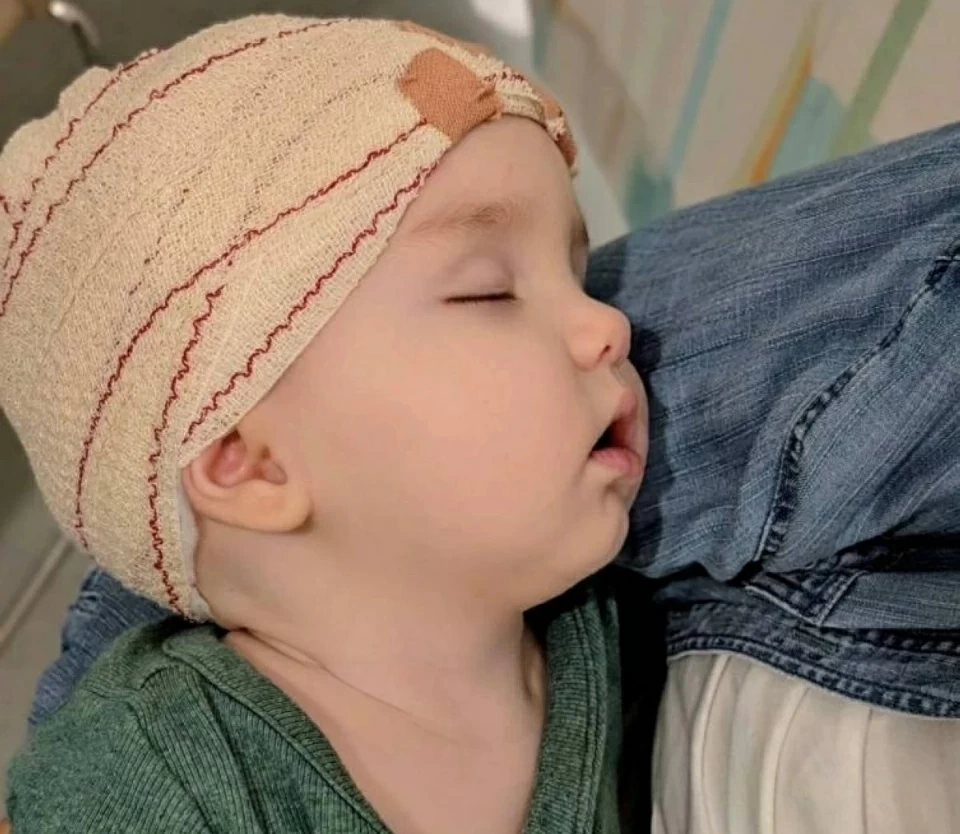
حقق فريق طبي بريطاني إنجازًا غير مسبوق بعد نجاحه في إجراء عملية تُعد الأولى عالميًا لإصلاح تشوّه نادر في جمجمة رضيع، باستخدام نوابض مرنة صُممت خصيصًا لإعادة تشكيل الجمجمة تدريجيًا مع نمو الدماغ.
وكان الرضيع روري بوتر قد شُخِّص بعد ولادته بإصابة حادة بتعظم الدروز الباكر السهمي، وهو اضطراب يؤدي إلى التحام مبكر لإحدى وصلات الجمجمة، ما يحدُّ من المساحة المتاحة لنمو الدماغ ويستدعي تدخلًا جراحيًا معقدًا.
وفي مستشفى غريت أورموند ستريت بالتعاون مع كلية لندن الجامعية، استخدم الأطباء لأول مرة نوابض مصنوعة من سبيكة (النيتينول) التي تجمع بين النيكل والتيتانيوم، وتتميز بمرونة عالية تسمح لها بالتكيف مع نمو الجمجمة. وتُترك هذه النوابض داخل الجمجمة لأسابيع أو أشهر لتعمل تدريجيًا على تعديل شكلها، قبل أن تُزال لاحقًا.
ويأمل الفريق الطبي أن تسهم التقنية الجديدة في تقليل الحاجة إلى الجراحات التقليدية الأكثر تعقيدًا، إضافة إلى خفض احتمالات نقل الدم أثناء العملية.
وأوضح الأطباء أن مرونة نوابض (النيتينول) تمنحهم قدرة أكبر على التحكم بالقوة المؤثرة على الجمجمة مقارنة بالنوابض الفولاذية المستخدمة سابقًا. وبعد عام على العملية، يؤكد والداه أنه طفل سعيد ونشيط ويتمتع بصحة جيدة، فيما يواصل الباحثون تقييم نتائج التقنية لتحديد إمكانية تعميمها على نطاق أوسع لعلاج الأطفال المصابين بهذه الحالة النادرة.
A British medical team has achieved an unprecedented milestone after successfully performing what is considered the world's first operation to correct a rare skull deformity in an infant, using flexible springs specifically designed to gradually reshape the skull as the brain grows.
The infant, Rory Potter, was diagnosed after birth with severe sagittal craniosynostosis, a condition that leads to the early fusion of one of the skull joints, limiting the available space for brain growth and necessitating complex surgical intervention.
At Great Ormond Street Hospital in collaboration with University College London, the doctors used, for the first time, springs made from a nickel-titanium alloy (nitinol), which are characterized by high flexibility that allows them to adapt to skull growth. These springs are left inside the skull for weeks or months to gradually modify its shape before being removed later.
The medical team hopes that the new technique will reduce the need for more complex traditional surgeries, as well as lower the chances of blood transfusions during the operation.
The doctors explained that the flexibility of the nitinol springs gives them greater control over the force applied to the skull compared to the steel springs used previously. A year after the operation, his parents confirm that he is a happy, active child in good health, while researchers continue to evaluate the results of the technique to determine the possibility of broader application for treating children affected by this rare condition.