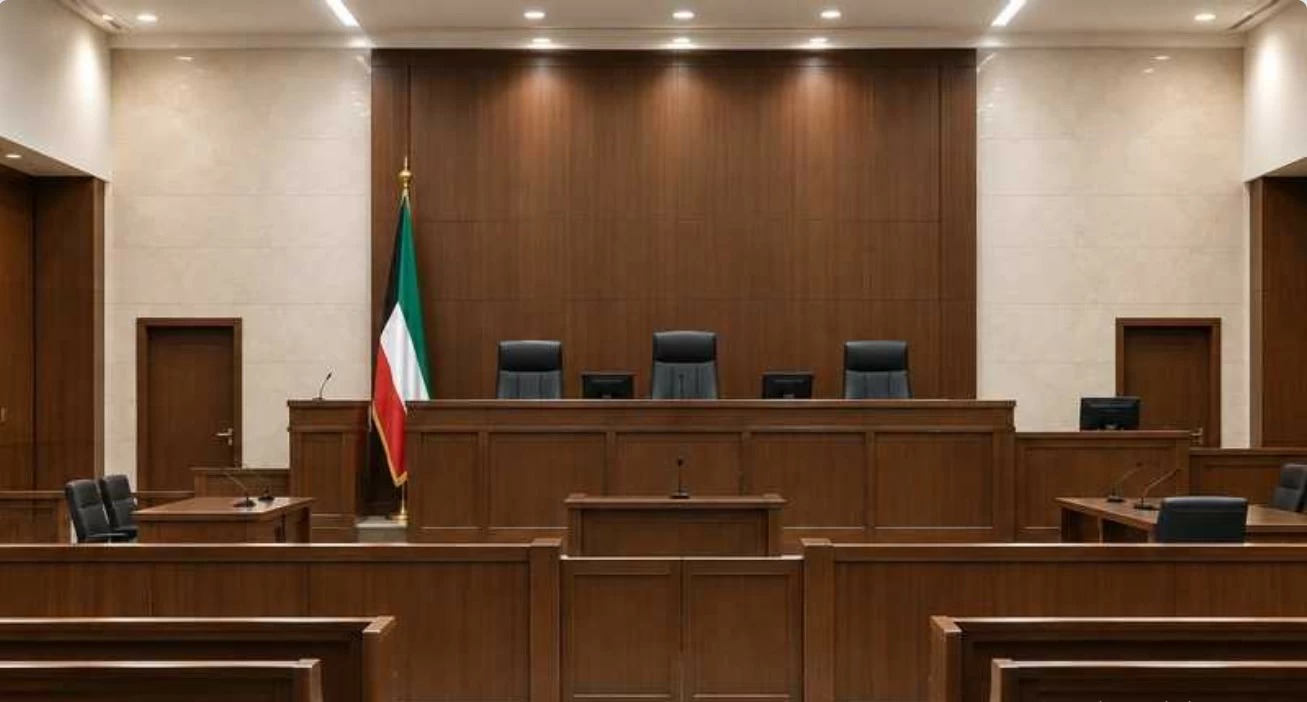
أصدرت محكمة التمييز الكويتية أحكاماً جديدة في عدد من القضايا المتهم فيها نواب سابقون، شملت قضية عُرفت إعلامياً بـ«البصمة البيومترية»، إلى جانب قضايا تتعلق بالإساءة إلى القضاء والطعن في صلاحيات وحقوق أمير البلاد ونشر أخبار اعتبرتها المحكمة كاذبة ومغرضة.
وفي قضية «البصمة البيومترية»، ألغت المحكمة أحكام البراءة الصادرة بحق 14 نائباً سابقاً في قضية نشر أخبار كاذبة، وقضت مجدداً بالامتناع عن عقاب عدد منهم، فيما أصدرت أحكاماً بالحبس بحق النائبين السابقين مسلم البراك وسالم النملان لمدة ثلاث سنوات، باعتبارهما عائدين من سابقة.
كما قضت المحكمة بحبس النائب السابق بدر الداهوم لمدة سنة، في قضية تتعلق بالإساءة إلى قضاة المحكمة الدستورية.
وتعود القضية إلى تغريدات نشرها النواب السابقون عبر حساباتهم على منصة «تويتر»، تضمنت مواقف مؤيدة للنائب السابق شعيب المويزري، الذي كان يعارض إجراءات البصمة البيومترية.
وشمل حكم الامتناع عن العقاب كلاً من عادل الدمخي، ومحمد الدوسري، ومحمد جوهر حيات، وخالد المونس، وحمد المدلج، وأسامة الزيد، ومحمد هايف، وشعيب شعبان، وفلاح الهاجري، وسعود العصفور، ومبارك الرقيب، إضافة إلى بدر الداهوم في هذه القضية.
كما قضت المحكمة بالامتناع عن عقاب أربعة مغردين آخرين، مع إلزام كل منهم بكفالة قدرها ألف دينار، والتعهد بحسن السير والسلوك لمدة عامين.
المحكمة: المنشورات تجاوزت حدود النقد المباح
وفي حيثيات الحكم، قالت المحكمة إنها اطمأنت إلى أدلة الثبوت، معتبرة أنها متساندة وكافية لإثبات الاتهامات المسندة إلى المتهمين.
وأوضحت أن المنشورات التي نُشرت عبر حساباتهم الشخصية، وكانت متاحة للجمهور داخل الكويت وخارجها، تضمنت، بحسب تقدير المحكمة، أخباراً وإشاعات كاذبة ومغرضة بشأن الأوضاع الداخلية في البلاد، ونسبت اتهامات إلى جهات تابعة لوزارة الداخلية على خلاف الحقيقة.
واعتبرت المحكمة أن تلك المنشورات من شأنها، وفق ما ورد في حيثياتها، إضعاف هيبة الدولة والإضرار بسمعتها ومصالحها.
كما رفضت المحكمة اعتبار ما ورد في التغريدات من قبيل النقد المباح، موضحة أن إبداء الرأي يظل في نطاق النقد المسموح ما لم يتجاوز ذلك إلى نشر أو إذاعة أخبار أو بيانات أو إشاعات كاذبة أو مغرضة بشأن الأوضاع الداخلية في البلاد.
وأكدت المحكمة أن تجاوز هذا النطاق، وفق ما انتهت إليه في القضية، يشكل فعلاً يستوجب العقاب، مشيرة إلى ثبوت عناصر القصد الجنائي في الأفعال محل الاتهام.
أحكام بحق صالح الملا ومهند الساير
وفي قضية أخرى، ألغت محكمة التمييز بالكويت الحكم الصادر بوقف تنفيذ العقوبة بحق النائب السابق صالح الملا، وقضت مجدداً بحبسه لمدة سنتين على خلفية اتهامه بالطعن في صلاحيات وحقوق أمير البلاد، مع اعتبار ما أدين به ماساً بالشرف والأمانة.
كما ألغت المحكمة وقف تنفيذ العقوبة بحق النائب السابق مهند الساير، وقضت بحبسه لمدة ثلاث سنوات، على خلفية اتهامات شملت الطعن في حقوق أمير البلاد والتدخل في صلاحياته، إلى جانب إذاعة أخبار وصفتها المحكمة بالمغرضة والمضرة بالمصالح والأوضاع الداخلية للبلاد.
وقضت المحكمة كذلك باعتبار ما أدين به الساير ماساً بالشرف والأمانة.
The Kuwaiti Court of Cassation issued new rulings in several cases involving former MPs, including a case known in the media as the "biometric fingerprint" case, along with cases related to contempt of court, challenging the powers and rights of the Emir of the country, and publishing news that the court deemed false and malicious.
In the "biometric fingerprint" case, the court annulled the acquittals issued against 14 former MPs in a case of spreading false news, ruling again to refrain from punishing several of them, while issuing prison sentences for former MPs Muslim Al-Barak and Salem Al-Namlan for three years, considering them repeat offenders.
The court also sentenced former MP Bader Al-Dahoum to one year in prison in a case related to contempt of the Constitutional Court judges.
The case dates back to tweets published by the former MPs through their accounts on the "Twitter" platform, which included supportive positions for former MP Shuaib Al-Muwizri, who opposed the biometric fingerprint procedures.
The ruling to refrain from punishment included Adel Al-Damkhi, Mohammed Al-Dosari, Mohammed Jawhar Hayat, Khaled Al-Munas, Hamad Al-Mudlej, Osama Al-Zaid, Mohammed Haif, Shuaib Shaban, Falah Al-Hajri, Saud Al-Asfour, Mubarak Al-Ruqayb, in addition to Bader Al-Dahoum in this case.
The court also ruled to refrain from punishing four other tweeters, obligating each of them to a bail of one thousand dinars and a commitment to good conduct for two years.
The Court: The publications exceeded the limits of permissible criticism
In the grounds for the ruling, the court stated that it was assured of the evidence, considering it corroborative and sufficient to prove the charges against the defendants.
It clarified that the publications made through their personal accounts, which were accessible to the public inside and outside Kuwait, included, according to the court's assessment, false and malicious news and rumors about the internal situation in the country, attributing accusations to entities affiliated with the Ministry of Interior contrary to the truth.
The court considered that these publications could, according to what was stated in its grounds, undermine the state's prestige and harm its reputation and interests.
The court also rejected the notion that what was stated in the tweets constituted permissible criticism, explaining that expressing an opinion remains within the scope of allowed criticism as long as it does not extend to publishing or broadcasting false or malicious news, statements, or rumors regarding the internal situation in the country.
The court confirmed that exceeding this scope, according to its conclusion in the case, constitutes an act that warrants punishment, indicating the presence of elements of criminal intent in the actions subject to the charges.
Rulings against Saleh Al-Mulla and Muhannad Al-Sayer
In another case, the Kuwaiti Court of Cassation annulled the ruling that suspended the execution of the sentence against former MP Saleh Al-Mulla, ruling again to imprison him for two years based on accusations of challenging the powers and rights of the Emir of the country, considering what he was convicted of as an affront to honor and integrity.
The court also annulled the suspension of the sentence against former MP Muhannad Al-Sayer, ruling to imprison him for three years, based on accusations that included challenging the rights of the Emir of the country and interfering in his powers, in addition to broadcasting news that the court described as malicious and harmful to the interests and internal situation of the country.
The court also ruled to consider what Al-Sayer was convicted of as an affront to honor and integrity.