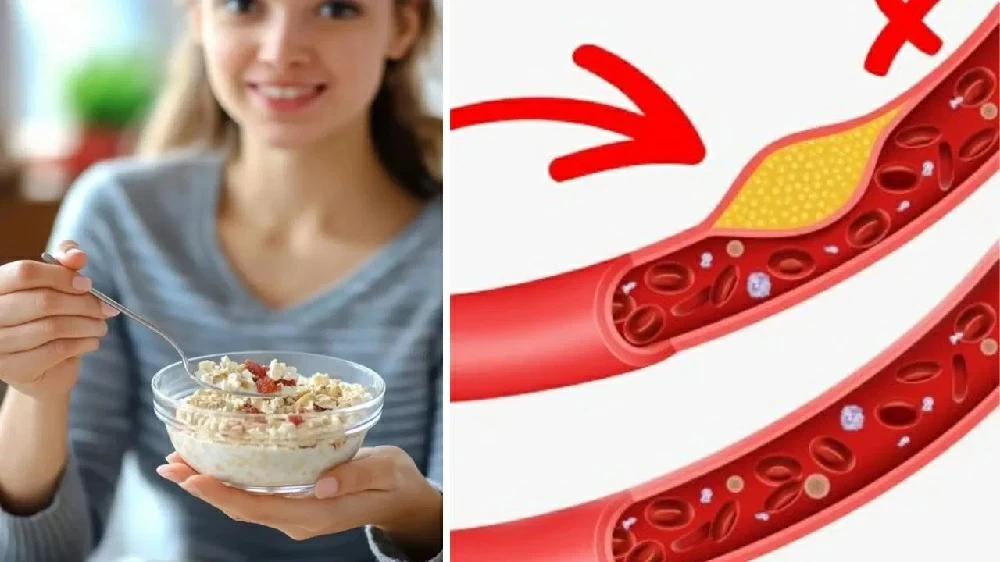
خلال يومين فقط، أظهر بحث علمي جديد أن تناول الشوفان يمكن أن يُحدث فارقًا ملحوظًا في صحة القلب، بعدما سجّل انخفاضًا سريعًا في مستوى الكوليسترول الضار بنسبة تقارب 10% لدى المشاركين. ويأتي هذا الاكتشاف ليعزز الاهتمام المتزايد بالخيارات الغذائية الطبيعية كخطوة أولى للحد من مخاطر أمراض القلب.
الدراسة، المنشورة في مجلة Nature Communications، تابعت 66 شخصًا يعانون متلازمة التمثيل الغذائي، وهي مجموعة من المؤشرات الصحية التي ترفع احتمالات الإصابة بالسكري وأمراض القلب؛ مثل ارتفاع ضغط الدم واضطراب مستويات الدهون. وخلال التجربة، تبيّن أن النظام الغذائي القائم على الشوفان لمدة 48 ساعة فقط كان الأكثر تأثيرًا في خفض الكوليسترول الضار.
ويشير اختصاصي أمراض القلب التداخلية في مركز (ميموريال كير سادلباك)، الدكتور تشنغ-هان تشين، إلى أن السيطرة على الكوليسترول تُعد عنصرًا محوريًا في الوقاية من أمراض القلب، وأن أي وسيلة طبيعية فعّالة لخفضه تمثل قيمة صحية مهمة. أما اختصاصي القلب الدكتور أندرو فريمان، فيرى أن سرعة الانخفاض التي رصدتها الدراسة تُعد مؤشرًا واعدًا، خصوصًا أن مستويات الكوليسترول بقيت أقل من معدلاتها الأساسية خلال متابعة امتدت لستة أسابيع حتى بعد التوقف عن تناول الشوفان، ما يشير إلى احتمال حدوث «إعادة ضبط» فسيولوجية لدى بعض المشاركين.
وتوضح خبيرة التغذية كيري غانس أن سر تأثير الشوفان يكمن في احتوائه على نسبة عالية من الألياف القابلة للذوبان، المعروفة باسم (بيتا غلوكان)؛ وهي مركبات تساعد على خفض الكوليسترول وتحسين عملية الهضم، كما تسهم هذه الألياف في استقرار مستوى السكر في الدم وتعزيز الشعور بالشبع، ما يدعم التحكم في الشهية وإدارة الوزن.
ويخلص فريمان إلى أن الشوفان ليس «حلاً سحريًا»، لكنه مثال واضح على قدرة الأطعمة النباتية الغنية بالألياف وقليلة المعالجة على تحسين مؤشرات القلب عند استبدالها بالأطعمة عالية الدهون المشبعة. لذلك، قد يكون اختيار الشوفان على مائدة الإفطار خطوة بسيطة لكنها ذات أثر صحي ملموس.
In just two days, new scientific research has shown that consuming oats can make a significant difference in heart health, as it recorded a rapid decrease in harmful cholesterol levels by nearly 10% among participants. This discovery comes to enhance the growing interest in natural dietary options as a first step to reduce the risks of heart diseases.
The study, published in the journal Nature Communications, followed 66 individuals suffering from metabolic syndrome, which is a group of health indicators that increase the likelihood of diabetes and heart diseases; such as high blood pressure and lipid level disorders. During the experiment, it was found that a diet based on oats for just 48 hours was the most effective in lowering harmful cholesterol.
Interventional cardiologist at MemorialCare Saddleback, Dr. Cheng-Han Chen, points out that controlling cholesterol is a key element in preventing heart diseases, and any effective natural means to lower it represents an important health value. Cardiologist Dr. Andrew Freeman believes that the rapid decrease observed in the study is a promising indicator, especially since cholesterol levels remained below their baseline during a six-week follow-up even after stopping oat consumption, suggesting the possibility of a physiological "reset" in some participants.
Nutrition expert Keri Gans explains that the secret behind oats' effect lies in their high content of soluble fiber, known as beta-glucans; these compounds help lower cholesterol and improve digestion, while also contributing to stabilizing blood sugar levels and enhancing the feeling of fullness, which supports appetite control and weight management.
Freeman concludes that oats are not a "magic solution," but they are a clear example of the ability of fiber-rich, minimally processed plant foods to improve heart indicators when substituted for foods high in saturated fats. Therefore, choosing oats for breakfast may be a simple step, but it has a tangible health impact.