في واقعة تفوق الخيال السينمائي، حولت جلسة تصفح عادية على محرك «Google» طالباً جامعياً إلى مكتشف لأحد أعظم الاكتشافات الأثرية في العصر الحديث. قادته الصدفة إلى الكشف عن مدينة مفقودة من حضارة المايا، ظلت مخفية تحت أحراش الغابات الكثيفة لقرون.
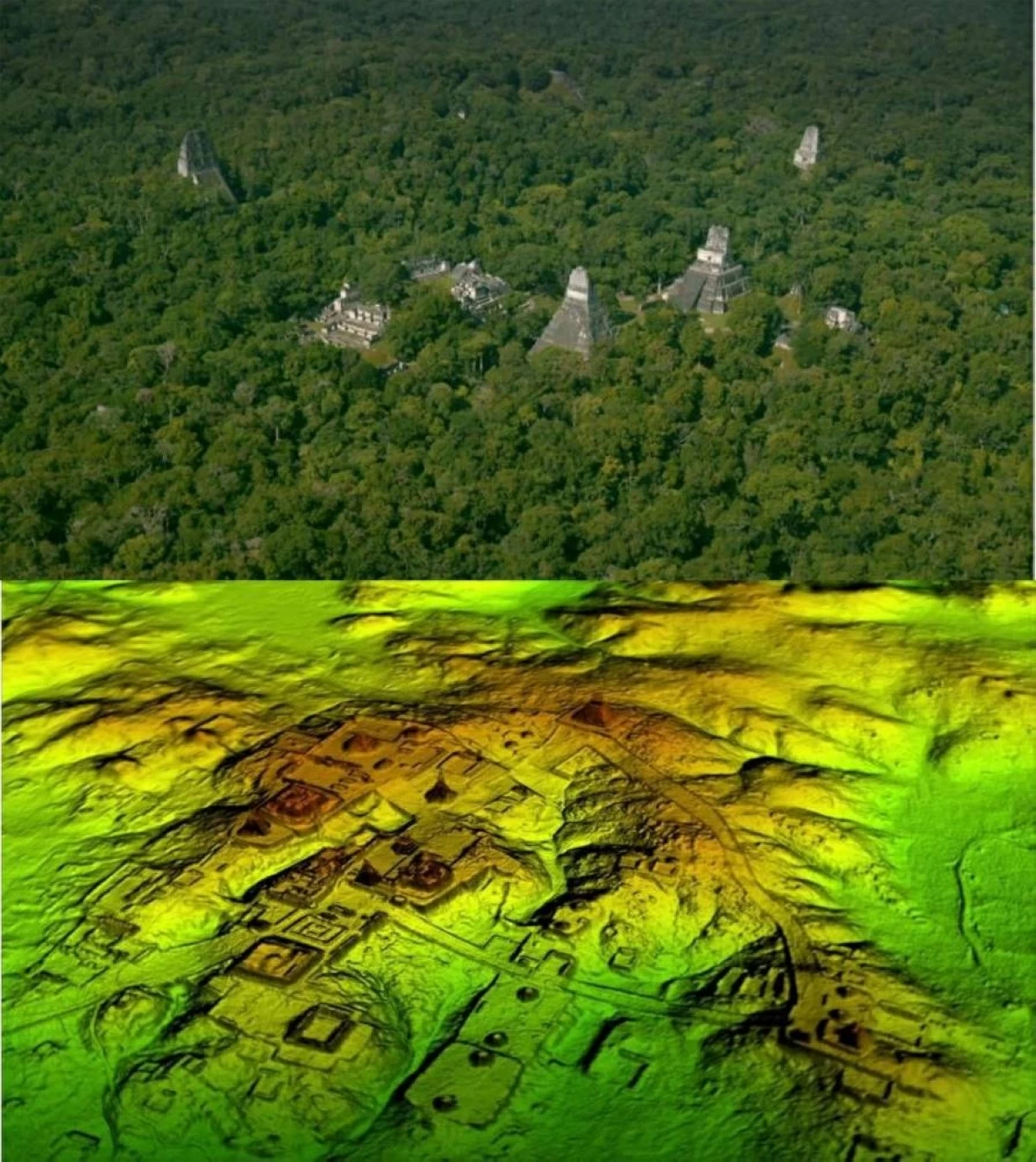
وفي التفاصيل، قرر طالب الدكتوراه لوك أولد توماس التعمق في نتائج البحث حتى الصفحة الـ16، ليعثر بالصدفة على مسح جوي قديم أجرته منظمة مكسيكية لأغراض بيئية. بدلاً من إهمال البيانات، أعاد الباحث مع فريق علمي استخدام تقنية «ليدار» (LiDAR) لرفع الغطاء النباتي رقمياً، ليكتشفوا مدينة أثرية كاملة تضم أكثر من 6500 منشأة معمارية لم تكن الحكومة أو العلماء على علم بها، رغم وقوعها بجوار طريق سريع مأهول.
المدينة المكتشفة أُطلق عليها اسم «فاليريانا»، ويعود تاريخ بنائها لأكثر من 1800 عام، وتحديداً عام 150 ميلادية، وتبين أنها كانت موطناً لنحو 50 ألف نسمة في ذروة ازدهارها. وتكشف الصور الرادارية عن عالم كامل مدفون تحت الأرض يضم أهرامات ضخمة، وملاعب رياضية احتفالية، وساحات عامة، وسدوداً مائية، مما ينسف المفاهيم القديمة حول طريقة حياة المايا.
ويطرح هذا الاكتشاف المذهل سؤالاً مرعباً ومثيراً في آن واحد: كم عدد المدن والآثار الضخمة التي لا تزال تختبئ تحت أشجار الغابات، وتنتظر مجرد «نقرّة زر» على Google لتعود إلى الحياة؟
In a story that surpasses cinematic imagination, an ordinary browsing session on the "Google" search engine turned a university student into the discoverer of one of the greatest archaeological discoveries of modern times. A chance encounter led him to uncover a lost city of the Maya civilization, which had remained hidden beneath the dense jungle for centuries.
In detail, PhD student Luke Old Thomas decided to delve into the search results until page 16, where he stumbled upon an old aerial survey conducted by a Mexican organization for environmental purposes. Instead of dismissing the data, the researcher and his scientific team re-employed "LiDAR" technology to digitally strip away the vegetation, discovering a complete archaeological city that includes more than 6,500 architectural structures, which neither the government nor scientists were aware of, despite its proximity to a populated highway.
The discovered city has been named "Valeriana," and its construction dates back over 1,800 years, specifically to 150 AD. It turned out to be home to around 50,000 inhabitants at its peak. Radar images reveal a whole world buried underground that includes massive pyramids, ceremonial ball courts, public plazas, and water dams, which shatter old concepts about the way of life of the Maya.
This astonishing discovery raises a terrifying yet exciting question: How many cities and massive artifacts are still hiding beneath the trees of the jungle, waiting for just a "click of a button" on Google to come back to life?