أعادت مكتبة عامة في مدينة سيدني الأسترالية كتاباً ينتقد تغطية الإعلام الأمريكي للحرب في غزة إلى رفوفها، بعد حملة شعبية للمطالبة بإتاحته مجدداً، وتدخل مكتبة ولاية نيو ساوث ويلز التي ذكّرت المجلس المحلي بالتزاماته القانونية المتعلقة باستقلالية المكتبات وحرية الوصول إلى المعلومات.
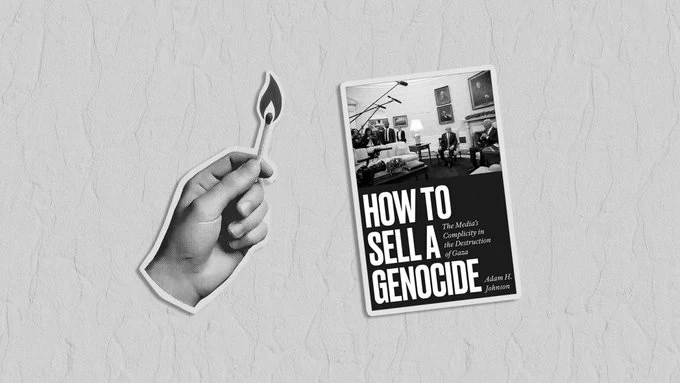
وقالت صحيفة «الغارديان» إن مكتبة ويفرلي أعادت كتاب «كيف تسوّق لإبادة جماعية في غزة» للمؤلف آدم جونسون إلى رفوفها، وأصبح متاحاً للاستعارة، بعدما سحبته مؤقتاً بحجة إخضاعه لـ«المراجعة».
شكوى وراء السحب
وكانت المكتبة قد سحبت الكتاب عقب تقرير نشره موقع «جي واير» اليهودي، قال فيه إنه تواصل مع مجلس ويفرلي بشأن وجود الكتاب ضمن مجموعة المكتبة، إثر شكوى من شخص قيل إنه أحد الناجين من الهجوم الذي وقع على شاطئ بوندي وأسفر عن مقتل 15 شخصاً.
وبحسب التقرير، رأى الناجي الكتاب معروضاً ضمن قسم الكتب الجديدة أو المطلوبة بشدة، وقال إن وجوده على رفوف المكتبة تسبب له ولعائلات يهودية فقدت أبناءها في الهجوم في حالة من الألم النفسي. إلا أن «الغارديان» أوضحت أنها لم تتمكن من التحقق بشكل مستقل من المنشور المنسوب إليه على «فيسبوك».
تدخل رسمي
وعقب سحب الكتاب، تدخلت مكتبة ولاية نيو ساوث ويلز ووجهت مذكرة إلى مجلس ويفرلي ذكّرته بالقوانين والسياسات المنظمة لعمل المكتبات العامة، ولا سيما التعديلات التي أُدخلت على قانون المكتبات عام 2026، والتي أكدت استقلالية المكتبات في بناء مجموعاتها والمحافظة عليها.
وقال متحدث باسم مكتبة ولاية نيو ساوث ويلز إن المؤسسة «تدعم الوصول الحر والمتساوي إلى المعلومات»، مشيراً إلى أن بعض الكتب والمواد قد لا تتوافق مع آراء أو تجارب أو معتقدات جميع القراء، لكن ذلك لا يلغي حق الأفراد في اتخاذ قراراتهم الخاصة بشأن ما يقرأونه ويشاهدونه ويطلعون عليه.
2500 توقيع
بالتوازي مع ذلك، قادت المحامية راميا عبدو سلطان حملة شعبية للمطالبة بإعادة الكتاب إلى رفوف المكتبة، عبر عريضة إلكترونية جمعت نحو 2500 توقيع.
وأكدت عبدو سلطان أن مدير مكتبة ويفرلي أبلغ الموظفين بقرار إعادة الكتاب، فيما شددت العريضة على احترام مشاعر ضحايا العنف ومعاداة السامية، لكنها رفضت أن تتحول مشاعر الضيق أو الخلافات السياسية إلى معيار يحدد ما يمكن للجمهور الاطلاع عليه داخل المكتبات العامة.
جدل حول الكتاب
وينتقد الكتاب، الصادر عن دار «بلوتو برس» للمؤلف آدم جونسون، ما يصفه بتواطؤ وسائل الإعلام الأمريكية في الحرب الإسرائيلية على قطاع غزة، ويطرح قراءة نقدية للتغطية الإعلامية للصراع.
ورحب جونسون بعودة كتابه إلى رفوف المكتبة، لكنه انتقد مجلس ويفرلي لعدم توضيحه حتى الآن الأسباب التي أدت إلى سحبه، مؤكداً أنه يأمل في الحصول على إجابات «عبر القنوات القانونية».
واعتبر المؤلف إعادة الكتاب تطوراً إيجابياً، لكنه رأى أن القضية جزء من نقاش أوسع حول ما وصفه بتزايد القيود على الخطاب المؤيد للفلسطينيين في أستراليا خلال الأشهر الأخيرة.
وأثار قرار إعادة الكتاب مواقف متباينة داخل الأوساط اليهودية الأسترالية؛ إذ رحب أليكس ريفشين، الرئيس السابق المشارك للمجلس اليهودي ليهود أستراليا، بسحب الكتاب، وقال لصحيفة «سيدني مورنينغ هيرالد» إنه لا مكان لكتاب من هذا النوع على رفوف المكتبات، خصوصاً في مكتبة تقع بالقرب من موقع هجوم بوندي.
في المقابل، رأى بارت شتاينمان، عضو المجلس اليهودي التقدمي في أستراليا، أن الكتاب «ما كان ينبغي إزالته في المقام الأول»، معتبراً أن تقييد حرية التعبير الأدبي يمكن أن يقوض الجهود الجادة لمواجهة معاداة السامية والعنصرية.
وكان مجلس ويفرلي قد قال عند سحب الكتاب إن القرار جاء بهدف «مراجعة» محتواه، وإن المجلس سيدرس إجراءات إضافية لضمان مزيد من الإشراف على عملية اختيار الكتب في المكتبة.
A public library in Sydney, Australia, has returned a book criticizing the American media's coverage of the war in Gaza to its shelves, following a public campaign demanding its reinstatement, and the intervention of the New South Wales Library, which reminded the local council of its legal obligations regarding library independence and access to information.
The Guardian reported that Waverley Library has returned the book "How to Market a Genocide in Gaza" by Adam Johnson to its shelves, making it available for borrowing after it was temporarily withdrawn under the pretext of being subjected to "review."
Complaint Behind the Withdrawal
The library had withdrawn the book following a report published by the Jewish website "J-Wire," which stated that it had contacted the Waverley Council regarding the presence of the book in the library's collection, following a complaint from an individual said to be a survivor of the attack that occurred on Bondi Beach, resulting in the deaths of 15 people.
According to the report, the survivor saw the book displayed in the new or highly requested books section and stated that its presence on the library shelves caused him and Jewish families who lost their children in the attack psychological distress. However, The Guardian clarified that it could not independently verify the post attributed to him on Facebook.
Official Intervention
After the book was withdrawn, the New South Wales Library intervened and sent a memo to the Waverley Council reminding it of the laws and policies governing the operation of public libraries, particularly the amendments made to the Library Act in 2026, which affirmed the independence of libraries in building and maintaining their collections.
A spokesperson for the New South Wales Library stated that the institution "supports free and equal access to information," noting that some books and materials may not align with the views, experiences, or beliefs of all readers, but that does not negate individuals' rights to make their own decisions about what they read, watch, and learn about.
2500 Signatures
In parallel, lawyer Ramia Abdo Sultan led a public campaign demanding the return of the book to the library shelves through an online petition that gathered around 2500 signatures.
Abdo Sultan confirmed that the director of Waverley Library informed staff of the decision to return the book, while the petition emphasized the need to respect the feelings of victims of violence and anti-Semitism, but rejected the idea that feelings of distress or political disagreements should dictate what the public can access in public libraries.
Controversy Surrounding the Book
The book, published by Pluto Press and authored by Adam Johnson, criticizes what it describes as the complicity of the American media in the Israeli war on the Gaza Strip, offering a critical reading of the media coverage of the conflict.
Johnson welcomed the return of his book to the library shelves but criticized the Waverley Council for not yet clarifying the reasons that led to its withdrawal, asserting that he hopes to receive answers "through legal channels."
The author considered the return of the book a positive development but viewed the issue as part of a broader discussion regarding what he described as increasing restrictions on pro-Palestinian discourse in Australia in recent months.
The decision to return the book sparked mixed reactions within Australian Jewish circles; Alex Ryvchin, the former co-president of the Jewish Council of Australia, welcomed the withdrawal of the book, stating to the Sydney Morning Herald that there is no place for such a book on library shelves, especially in a library located near the site of the Bondi attack.
Conversely, Bart Steinman, a member of the Progressive Jewish Council in Australia, argued that the book "should not have been removed in the first place," considering that restricting literary freedom of expression could undermine serious efforts to combat anti-Semitism and racism.
The Waverley Council had stated upon withdrawing the book that the decision was made for the purpose of "reviewing" its content and that the council would consider additional measures to ensure further oversight of the book selection process in the library.