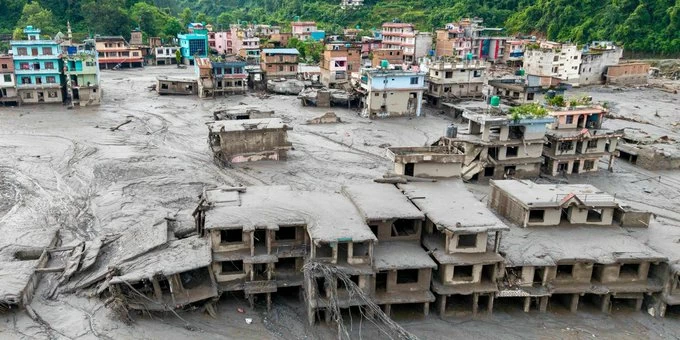
أوقفت السلطات النيبالية مؤقتاً عمليات البحث والإنقاذ في المناطق التي ضربتها فيضانات مدمرة، اليوم الجمعة، بعد ورود تحذيرات من ارتفاع منسوب المياه واحتمال خروج بحيرة سدية عن ضفافها، ما دفع السكان إلى الفرار نحو المناطق المرتفعة.
وقالت وكالة «رويترز» إن السلطات علقت عمليات الإنقاذ، ولا سيما جهود المروحيات، لمدة 90 دقيقة كإجراء احترازي، بعد ظهور مؤشرات على ارتفاع منسوب المياه في بحيرة تشكلت في المنطقة المتضررة.
ونقلت الوكالة عن ممثل السلطات النيبالية ناريندرا باريا قوله: «نرى أن منسوب المياه في النهر يرتفع»، في وقت تتزايد فيه المخاوف من حدوث موجة جديدة من السيول في المناطق التي لا تزال تعاني آثار الكارثة الأولى.
وحثت شرطة نيبال أفراد قوات الأمن وفرق البحث والإنقاذ والسكان المحليين على توخي أقصى درجات الحذر، والانتقال إلى أماكن آمنة ومرتفعة، إلى جانب تحذير الأشخاص الموجودين في المناطق المحيطة من الخطر المحتمل.
بحيرة جديدة تهدد بموجة فيضانية ثانية
وتعود المخاوف الجديدة إلى بحيرة تشكلت نتيجة انهيار جليدي وصخري أدى إلى سد مجرى مائي في المنطقة الحدودية بين نيبال والصين، قبل أن تبدأ مياهها في الارتفاع.
وتشير التقارير إلى أن خطر فيضان البحيرة أو انهيار السد الطبيعي الذي تشكل حولها يهدد بإطلاق كميات كبيرة من المياه باتجاه المناطق المنخفضة، ما دفع السلطات إلى تعليق عمليات الإنقاذ وإجلاء السكان من المناطق الأكثر عرضة للخطر.
وتأتي هذه التطورات بينما لا تزال فرق الإنقاذ تحاول الوصول إلى أشخاص عالقين أو مفقودين جراء الفيضانات المفاجئة التي اجتاحت المنطقة في 26 أغسطس، ودمرت منازل وطرقاً وجسوراً ومنشآت للطاقة الكهرومائية.
حصيلة ثقيلة ومئات المفقودين
وبحسب أحدث البيانات الرسمية النيبالية، جرى انتشال مئات الجثامين، فيما لا يزال مئات الأشخاص في عداد المفقودين، وبينهم سكان محليون وسياح أجانب. وأفادت وزارة الخارجية النيبالية في تحديث لها بأن 389 جثماناً تم انتشالها، فيما أُبلغ عن فقدان 517 شخصاً من 28 دولة، مع استمرار عمليات البحث والتحقق من الأرقام.
وكانت الفيضانات قد اجتاحت مناطق واسعة من إقليم راسوا والمناطق المحيطة به، وألحقت أضراراً جسيمة بالبنية التحتية، بما في ذلك الطرق والجسور ومشاريع الطاقة الكهرومائية.
وتشير التقييمات الأولية إلى أن الفيضانات نجمت عن انهيار مفاجئ لكتلة من الجليد والصخور في منطقة جبلية، ما أدى إلى اندفاع هائل للمياه والحطام في مجرى نهر لهنده، فيما لا تزال التحقيقات جارية لتحديد العوامل الدقيقة التي أدت إلى الكارثة.
مخاوف من كارثة ثانية
ويضع خطر ارتفاع منسوب البحيرة السلطات النيبالية أمام سباق جديد مع الزمن؛ ففرق الإنقاذ مطالبة بالبحث عن ناجين ومفقودين، بينما يتعين عليها في الوقت نفسه حماية أفرادها والسكان من احتمال وقوع موجة فيضانية جديدة.
وأظهرت تقارير ميدانية فرار سكان المناطق المتضررة إلى أماكن مرتفعة مع تصاعد التحذيرات، في حين تواصل السلطات مراقبة الأنهار والبحيرات والسدود الطبيعية في المنطقة تحسباً لأي تطورات جديدة.
The Nepali authorities temporarily suspended search and rescue operations in areas hit by devastating floods today, Friday, following warnings of rising water levels and the potential overflow of a dam lake, prompting residents to flee to higher ground.
Reuters reported that authorities halted rescue operations, particularly helicopter efforts, for 90 minutes as a precautionary measure after indicators showed rising water levels in a lake formed in the affected area.
The agency quoted Nepali authorities representative Narendra Baria as saying, "We see that the water level in the river is rising," as fears grow of a new wave of floods in areas still suffering from the effects of the first disaster.
The Nepal police urged security forces, search and rescue teams, and local residents to exercise utmost caution and move to safe and elevated places, while also warning individuals in surrounding areas of the potential danger.
A New Lake Threatens a Second Flood Wave
The new concerns stem from a lake formed as a result of a glacial and rock collapse that blocked a watercourse in the border area between Nepal and China, before its waters began to rise.
Reports indicate that the risk of the lake flooding or the natural dam formed around it collapsing threatens to release large amounts of water towards low-lying areas, prompting authorities to suspend rescue operations and evacuate residents from the most at-risk areas.
These developments come as rescue teams continue to attempt to reach people trapped or missing due to the sudden floods that swept the region on August 26, destroying homes, roads, bridges, and hydropower facilities.
Heavy Toll and Hundreds Missing
According to the latest official Nepali data, hundreds of bodies have been recovered, while hundreds of people remain missing, including local residents and foreign tourists. The Nepali Ministry of Foreign Affairs reported in an update that 389 bodies have been recovered, while 517 individuals from 28 countries have been reported missing, with search and verification operations ongoing.
The floods swept through vast areas of the Rasuwa district and surrounding regions, causing severe damage to infrastructure, including roads, bridges, and hydropower projects.
Initial assessments indicate that the floods resulted from a sudden collapse of a mass of ice and rocks in a mountainous area, leading to a massive rush of water and debris in the Langtang River, while investigations are still ongoing to determine the precise factors that led to the disaster.
Concerns of a Second Disaster
The risk of rising lake levels puts Nepali authorities in a new race against time; rescue teams are tasked with searching for survivors and the missing, while at the same time needing to protect their personnel and residents from the possibility of a new flood wave.
Field reports have shown residents of the affected areas fleeing to higher ground as warnings escalate, while authorities continue to monitor rivers, lakes, and natural dams in the region in anticipation of any new developments.