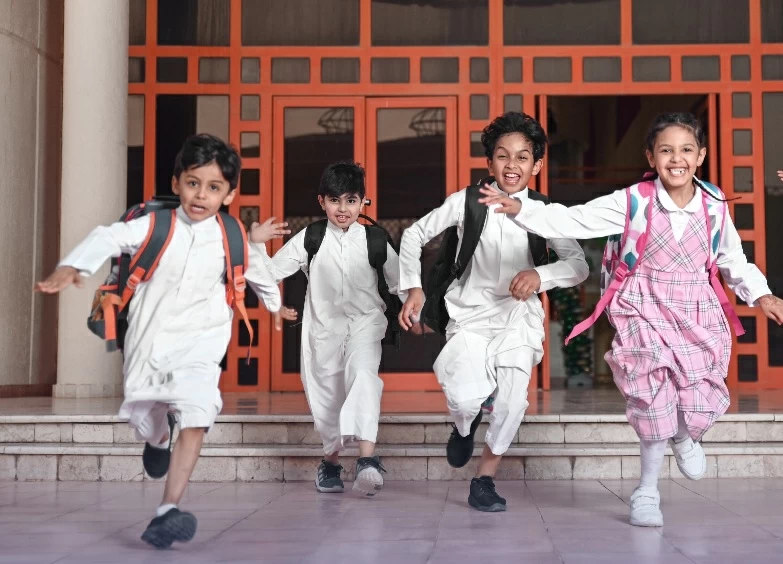
مع الاستعداد للعام الدراسي الجديد والعودة إلى المدرارس، تتجدد مخاوف الأهالي من الأمراض الموسمية التي تنتشر بين الطلاب مع بداية العام الدراسي، خصوصًا في ظل استمرار موجات الحر التي قد تزيد من فرص الإجهاد والجفاف خلال ساعات الدوام الأولى.
ويؤكد مختصون في صحة الأطفال أن الاستعداد للمدرسة لا يبدأ من شراء المستلزمات، بل من إعادة الطفل تدريجيًا إلى نمط حياة صحي يساعده على التأقلم مع الاستيقاظ المبكر والاختلاط والجهد البدني. ويشيرون إلى أن تنظيم النوم يمثل خطوة أساسية، إذ إن الانتقال المفاجئ من السهر الصيفي إلى دوام المدرسة قد ينعكس على تركيز الطفل ونشاطه، لذلك يُفضّل تعديل مواعيد النوم قبل بدء الدراسة بأيام.
ويشدد الخبراء على أن تعزيز المناعة ليس مكملًا غذائيًا أو وجبة واحدة، بل منظومة تشمل النوم الكافي، والغذاء المتوازن، والنشاط البدني، والنظافة الشخصية، والالتزام بالتطعيمات.
وجبة المدرسة ليست تفصيلًا
وينصح بأن يبدأ الطفل يومه بإفطار متوازن بعيدًا عن الحلويات والعصائر المحلاة، وأن تحتوي حقيبة الطعام على مصادر بروتين وخضراوات وفواكه وحبوب، مع تجنب الإفراط في المكملات دون حاجة طبية.
المدرسة بيئة سريعة لانتقال العدوى
ومع عودة الطلاب إلى الصفوف، ترتفع احتمالات انتقال نزلات البرد والفايروسات التنفسية بسبب الاحتكاك وتبادل الأدوات. وتوصي الجهات الصحية بغسل اليدين بانتظام، وتغطية الفم والأنف عند السعال، وتحسين التهوية، وعدم إرسال الطفل المريض إلى المدرسة.
ويؤكد مختصون أن تدريب الطفل عمليًا على هذه السلوكيات أكثر فاعلية من الاكتفاء بالنصائح، مشيرين إلى ضرورة تحويل غسل اليدين قبل الطعام وبعد اللعب واستخدام دورة المياه إلى عادة يومية، مع تجنب مشاركة عبوات المياه أو أدوات الطعام.
الحرارة.. تحدٍ إضافي هذا العام
ويرى الخبراء أن ارتفاع درجات الحرارة يشكِّل تحديًا لا يقل أهمية عن العدوى، إذ قد لا يشعر الأطفال بالعطش أثناء اللعب، ما يستدعي تزويدهم بعبوة مياه وتشجيعهم على الشرب بانتظام. وتوصي منظمة الصحة العالمية بتجنُّب التعرض المباشر للشمس خلال ساعات الذروة، وارتداء ملابس خفيفة، واستخدام وسائل الحماية.
كما يُنصح بأن تعيد المدارس النظر في الأنشطة الخارجية والطابور الصباحي خلال الأيام شديدة الحرارة، ونقلها إلى أماكن مظللة أو أقل حرارة عند الحاجة.
علامات تستوجب الانتباه
ويحذر مختصون من تجاهل أعراض مثل الصداع الشديد، والدوخة، والغثيان، والخمول غير المعتاد، والتشنُّجات العضلية أو ارتفاع الحرارة بعد التعرض للشمس، مؤكدين أن أفضل استعداد للعام الدراسي يبدأ من المنزل عبر نمط حياة صحي متكامل، وليس حلولًا سريعة قبل أيام من الدوام.
As the new school year approaches and students return to school, parents' concerns about seasonal illnesses that spread among students at the beginning of the academic year are renewed, especially in light of the ongoing heatwaves that may increase the chances of exhaustion and dehydration during the early hours of school.
Child health specialists confirm that preparing for school does not start with buying supplies, but rather with gradually reintroducing the child to a healthy lifestyle that helps them adapt to early waking, social interaction, and physical effort. They point out that organizing sleep is a fundamental step, as the sudden transition from summer late nights to school hours can affect the child's concentration and activity; therefore, it is preferable to adjust sleep schedules a few days before school starts.
Experts emphasize that boosting immunity is not just about dietary supplements or a single meal, but a system that includes adequate sleep, balanced nutrition, physical activity, personal hygiene, and adherence to vaccinations.
School meals are not a detail
It is advised that the child starts their day with a balanced breakfast away from sweets and sugary juices, and that their lunchbox contains sources of protein, vegetables, fruits, and grains, while avoiding excessive supplements without medical need.
School is a fast environment for the spread of infections
With students returning to classrooms, the likelihood of colds and respiratory viruses spreading increases due to contact and sharing of tools. Health authorities recommend regular hand washing, covering the mouth and nose when coughing, improving ventilation, and not sending sick children to school.
Specialists confirm that practically training the child on these behaviors is more effective than just providing advice, noting the necessity of turning hand washing before meals and after playing and using the restroom into a daily habit, while avoiding sharing water bottles or eating utensils.
Heat.. an additional challenge this year
Experts believe that rising temperatures pose a challenge that is no less important than infections, as children may not feel thirsty while playing, necessitating providing them with a water bottle and encouraging them to drink regularly. The World Health Organization recommends avoiding direct sun exposure during peak hours, wearing light clothing, and using protective measures.
Schools are also advised to reconsider outdoor activities and morning assemblies during extremely hot days, relocating them to shaded or cooler areas when necessary.
Signs that require attention
Specialists warn against ignoring symptoms such as severe headaches, dizziness, nausea, unusual lethargy, muscle cramps, or fever after sun exposure, emphasizing that the best preparation for the school year starts at home through a comprehensive healthy lifestyle, not quick fixes just days before school starts.