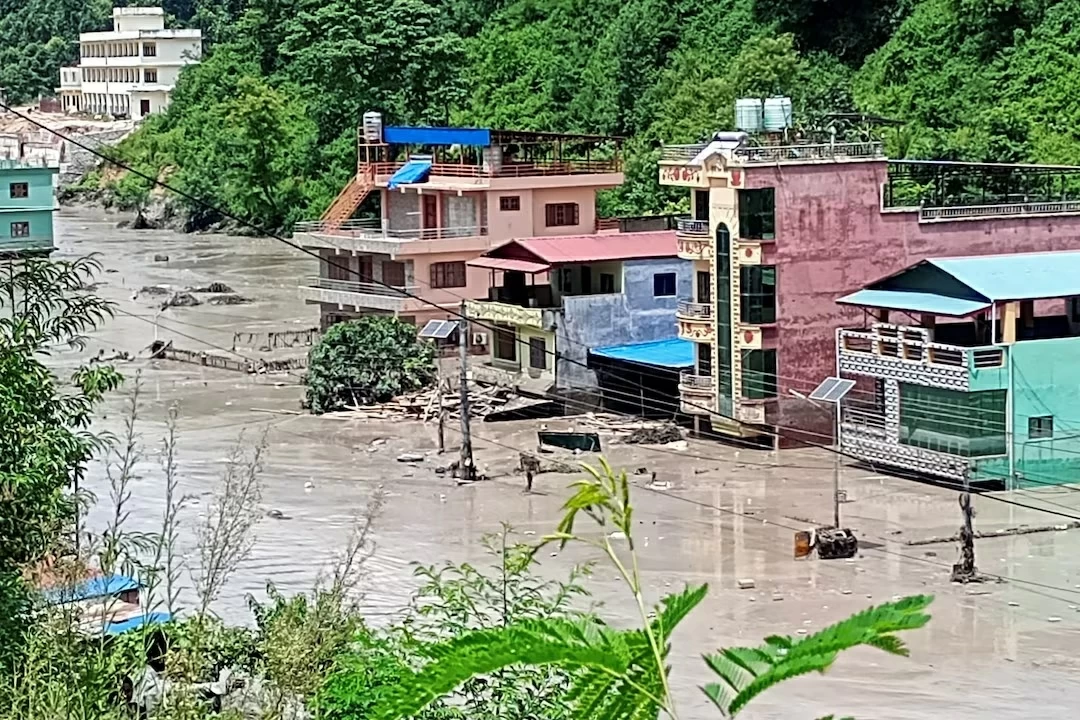
لقي تسعة أشخاص على الأقل حتفهم جراء فيضانات مفاجئة وعارمة ضربت، اليوم الأربعاء، مناطق جبلية على الحدود بين نيبال وإقليم التبت الصيني، في كارثة جرفت منازل وقرى وطرقًا وجسورًا ومنشآت للطاقة الكهرومائية، وسط مخاوف رسمية من ارتفاع عدد الضحايا واتساع نطاق الأضرار، فيما لا يزال أكثر من 300 سائح في عداد المفقودين، بينهم نحو 290 أجنبيًا.
وتضررت، بشكل خاص، منطقتا سيابرو بيسي وتيموري في مقاطعة راسوا الجبلية شمال نيبال، حيث فاض نهر بهوتي كوشي بشكل كبير، ما أدى إلى جرف تجمعات سكنية ومواقع لمشروعات بنية تحتية.
وبحسب (رويترز)، قال مسؤول المقاطعة ناريندرا باريار: إن السلطات تلقت تقارير عن انجراف قرى ومواقع لمشروعات إنشائية، محذرًا من احتمال وقوع خسائر بشرية ومادية كبيرة، وداعيًا السكان المقيمين على ضفاف النهر إلى الانتقال إلى مناطق مرتفعة.
قرى تختفي تحت المياه
وأظهرت مشاهد مصورة حجم الدمار، مع منازل انهارت وسط مياه الفيضانات وسيارات جرفتها السيول، فيما انهار جسر معدني تحت قوة المياه.
وقال العامل الصحي تولا بهادور بي.كيه من مقاطعة راسوا إن «الدمار موجود في كل مكان»، مشيرًا إلى أن التجمعات السكنية الواقعة بجوار النهر جُرفت بالكامل، وأن خمسة من أقاربه ما زالوا في عداد المفقودين.
وتعقدت جهود الإنقاذ بسبب ارتفاع منسوب المياه، إذ لم تتمكن المروحيات من الهبوط في المناطق الأكثر تضررًا، فيما شاركت قوات الشرطة والجيش في عمليات البحث والإنقاذ والإغاثة.
وأمر رئيس الوزراء النيبالي باليندرا شاه بإرسال فرق الإنقاذ والإغاثة، ودعا السكان في المناطق المنخفضة إلى الانتقال إلى أماكن أكثر أمانًا، مع توجيه تحذيرات خاصة إلى القاطنين بالقرب من مجرى النهر.
نيباللل
أضرار واسعة في قطاع الطاقة
ولم تقتصر الخسائر على المنازل والطرق والجسور، إذ أعلنت وزارة الطاقة النيبالية تأثر إمدادات كهربائية بقدرة تصل إلى 430 ميجاوات، معظمها مرتبط بمشروعات لتوليد الطاقة الكهرومائية.
ويمثل هذا الرقم أكثر من 12% من إجمالي القدرة الكهرومائية في نيبال، البالغة نحو 3.2 جيجاوات، وفق حسابات استنادًا إلى بيانات الوزارة. كما تسببت الفيضانات في أضرار للبنية التحتية للاتصالات والنقل، ما زاد من صعوبة الوصول إلى المناطق المنكوبة وتقييم حجم الخسائر.
أضرار أيضًا في الجانب الصيني
وعلى الجانب الآخر من الحدود، أعلنت السلطات الصينية تعرُّض مقاطعة غيرونغ في منطقة التبت لانهيار طيني أدى إلى أضرار واسعة قرب أحد المعابر الحدودية الرئيسية بين الصين ونيبال.
وأفادت وكالة أنباء شينخوا الرسمية بوجود مخاوف من وقوع «خسائر بشرية كبيرة» مع ورود تقارير عن أشخاص مفقودين، فيما تضررت طرق وخطوط اتصالات وكهرباء في منطقة شيغاتسي القريبة من الحدود.
ودعا الرئيس الصيني شي جين بينغ إلى تكثيف عمليات البحث والإنقاذ عن المفقودين، وتعزيز أنظمة المراقبة والإنذار المبكر لمنع وقوع كوارث ثانوية.
سبب الفيضان لا يزال قيد التحديد
ولم يتضح حتى الآن السبب المباشر وراء ارتفاع منسوب المياه بهذا الشكل، إلا أن المنطقة شهدت في العام الماضي فيضانًا مميتًا على نهر بهوتي كوشي أسفر عن مقتل تسعة أشخاص وفقدان 24 آخرين، وجرف جسر الصداقة الذي يربط بين نيبال والصين، ما أدى إلى تعطيل حركة التجارة والنقل لعدة أشهر.
وأرجع مرصد إقليمي للمناخ في ذلك الوقت الفيضان إلى تصريف مياه بحيرة جليدية تقع فوق سطح النهر في التبت.
ويمثل تكرار الكوارث المائية والانهيارات الأرضية في منطقة الهيمالايا مصدر قلق متزايد، خصوصًا مع هشاشة التضاريس الجبلية وتزايد المخاطر المرتبطة بذوبان الجليد والبحيرات الجليدية.
ومع استمرار عمليات البحث والإنقاذ، تحذر السلطات في نيبال والصين من احتمال ارتفاع حصيلة الضحايا والخسائر، بينما تواجه فرق الطوارئ ظروفًا صعبة للوصول إلى المناطق التي عزلتها الفيضانات.
At least nine people have died due to sudden and severe floods that struck today (Wednesday) mountainous areas along the border between Nepal and the Chinese Tibet region, sweeping away homes, villages, roads, bridges, and hydropower facilities, amid official fears of rising casualty numbers and the extent of the damage.
Particularly affected were the districts of Syabru Besi and Timure in the mountainous Rasuwa district of northern Nepal, where the Bhote Koshi River overflowed significantly, leading to the washing away of residential clusters and infrastructure project sites.
According to (Reuters), district official Narindra Pariyar stated that authorities received reports of villages and construction sites being swept away, warning of the potential for significant human and material losses, and urging residents living along the riverbanks to move to higher ground.
Villages Disappearing Under Water
Video footage showed the extent of the destruction, with homes collapsed amid floodwaters and cars swept away by the torrents, while a metal bridge collapsed under the force of the water.
Health worker Tula Bahadur PK from Rasuwa district said, "The destruction is everywhere," noting that the residential clusters next to the river were completely washed away, and that five of his relatives are still missing.
Rescue efforts were complicated by rising water levels, as helicopters were unable to land in the most affected areas, while police and army forces participated in search, rescue, and relief operations.
The Nepali Prime Minister, Pushpa Kamal Dahal, ordered the dispatch of rescue and relief teams and urged residents in low-lying areas to move to safer locations, issuing specific warnings to those living near the riverbanks.
Widespread Damage in the Energy Sector
The losses were not limited to homes, roads, and bridges, as the Nepali Ministry of Energy announced that electricity supplies of up to 430 megawatts were affected, most of which are linked to hydropower generation projects.
This figure represents more than 12% of Nepal's total hydropower capacity, which is about 3.2 gigawatts, according to calculations based on ministry data. The floods also caused damage to communication and transport infrastructure, further complicating access to the affected areas and assessing the extent of the losses.
Damage Also on the Chinese Side
On the other side of the border, Chinese authorities announced that the Gyrong County in the Tibet region experienced a landslide that caused extensive damage near one of the main border crossings between China and Nepal.
The official Xinhua News Agency reported concerns about "significant human losses" with reports of missing persons, while roads and communication and electricity lines in the Shigatse area near the border were damaged.
Chinese President Xi Jinping called for intensified search and rescue operations for the missing and for enhancing monitoring and early warning systems to prevent secondary disasters.
The Cause of the Flood is Still Being Determined
The direct cause of the water level rise is still unclear, but the region experienced a deadly flood last year on the Bhote Koshi River that resulted in the deaths of nine people and the disappearance of 24 others, washing away the Friendship Bridge linking Nepal and China, disrupting trade and transport for several months.
A regional climate observatory at that time attributed the flood to the discharge of water from a glacial lake located above the river in Tibet.
The recurrence of water-related disasters and landslides in the Himalayan region is a growing concern, especially with the fragility of the mountainous terrain and the increasing risks associated with glacial melting and glacial lakes.
As search and rescue operations continue, authorities in Nepal and China warn of the possibility of rising casualty numbers and losses, while emergency teams face difficult conditions in reaching areas isolated by the floods.