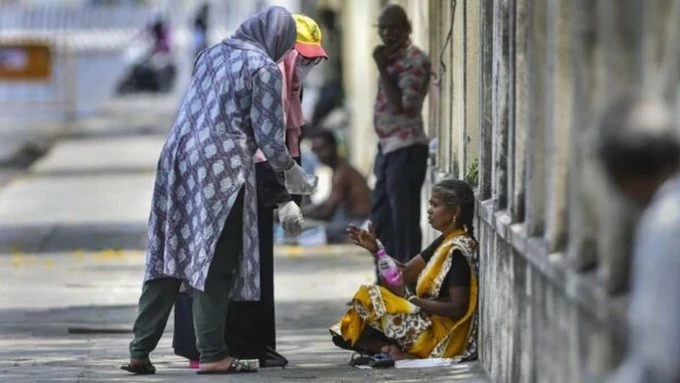
تتجه الهند إلى إلغاء التصنيف المستقل للمتسولين والمشردين من استبيان التعداد السكاني المقرر إجراؤه عام 2027، في تغيير قد ينهي نشر بيانات إحصائية منفصلة عن هذه الفئة التي كانت حاضرة في التعدادات السابقة.
ويُظهر الاستبيان الرسمي لتعداد 2027، المنشور من مكتب المسجل العام ومفوض التعداد في الهند، عدم وجود خانة مستقلة للمتسولين والمشردين ضمن تصنيفات النشاط غير الاقتصادي، في حين كانت بيانات تعداد 2011 تتضمن فئة «المتسولين والمشردين وغيرهم»، مع نشر أعدادها وفق العمر والجنس ومناطق الإقامة.
وكانت فئات النشاط غير الاقتصادي في التعدادات السابقة تشمل الطلاب، والأشخاص الذين يتفرغون للأعمال المنزلية، والمعالين، والمتقاعدين وأصحاب الدخول من دون عمل، إلى جانب المتسولين والمشردين وفئات أخرى.
ويعني التغيير في الاستبيان الجديد أن البيانات المتعلقة بالمتسولين والمشردين لن تكون متاحة بالطريقة التفصيلية نفسها التي كانت توفرها جداول التعداد السابقة، ما قد يصعّب إجراء مقارنات مباشرة حول حجم هذه الفئة وتوزيعها الجغرافي والديموغرافي.
وتشير البيانات الرسمية لتعداد 2011 إلى أن جداول السكان غير العاملين كانت تتضمن بالفعل أعداد المتسولين والمشردين حسب الجنس والفئات العمرية والمناطق الريفية والحضرية، كما كانت هناك جداول تفصيلية تربط هذه البيانات بالانتماء الديني على مستوى الولايات والأقاليم.
ويأتي التغيير في إطار استعداد الهند لإجراء تعدادها السكاني لعام 2027، الذي سيكون أول تعداد رقمي بالكامل في تاريخ البلاد، بعد تأجيل التعداد الذي كان مقرراً في عام 2021 بسبب جائحة كورونا. وتُظهر الوثائق الرسمية أن العملية تتكون من مرحلتين، تشمل الأولى حصر المساكن والمرافق، فيما تتعلق الثانية بحصر السكان.
ويعيد حذف التصنيف المستقل فتح النقاش حول أفضل الطرق الإحصائية لرصد الفئات الأكثر هشاشة، خصوصاً أن طبيعة حياة المشردين والمتسولين تجعل الوصول إليهم وحصرهم أكثر صعوبة من السكان المقيمين بصورة مستقرة، بينما تعتمد السياسات الاجتماعية وبرامج مكافحة الفقر على بيانات سكانية دقيقة لتحديد حجم الفئات المستهدفة وحاجاتها.
ومن المقرر أن تبدأ الهند تنفيذ مراحل التعداد الجديد وفق الجدول الزمني الذي حددته السلطات، على أن تمثل البيانات الناتجة عنه أساساً مهماً للتخطيط للسياسات العامة وتوزيع الموارد والخدمات خلال السنوات القادمة.
India is moving towards eliminating the independent classification of beggars and homeless people from the population census survey scheduled for 2027, in a change that may end the publication of separate statistical data about this group that has been present in previous censuses.
The official survey for the 2027 census, published by the Office of the Registrar General and Census Commissioner of India, shows that there is no separate category for beggars and homeless individuals within the classifications of non-economic activities, whereas the 2011 census data included a category for "beggars and homeless individuals and others," with their numbers published according to age, gender, and areas of residence.
Previous non-economic activity categories in past censuses included students, individuals engaged in household work, dependents, retirees, and those with income without work, alongside beggars, the homeless, and other categories.
The change in the new survey means that data related to beggars and homeless individuals will not be available in the same detailed manner that previous census tables provided, which may complicate direct comparisons regarding the size of this group and its geographic and demographic distribution.
Official data from the 2011 census indicates that the tables of non-working populations did indeed include the numbers of beggars and homeless individuals by gender, age groups, and rural and urban areas, and there were detailed tables linking this data to religious affiliation at the state and territory level.
This change comes as India prepares to conduct its 2027 population census, which will be the first fully digital census in the country's history, following the postponement of the census originally scheduled for 2021 due to the COVID-19 pandemic. Official documents show that the process consists of two phases, with the first phase involving the enumeration of housing and facilities, while the second phase pertains to the enumeration of the population.
The removal of the independent classification reopens the discussion on the best statistical methods to monitor the most vulnerable groups, especially since the nature of the lives of the homeless and beggars makes it more difficult to reach and enumerate them compared to the settled population, while social policies and poverty alleviation programs rely on accurate population data to determine the size of targeted groups and their needs.
India is set to begin implementing the stages of the new census according to the timeline established by the authorities, with the resulting data expected to serve as an important foundation for public policy planning and the distribution of resources and services in the coming years.