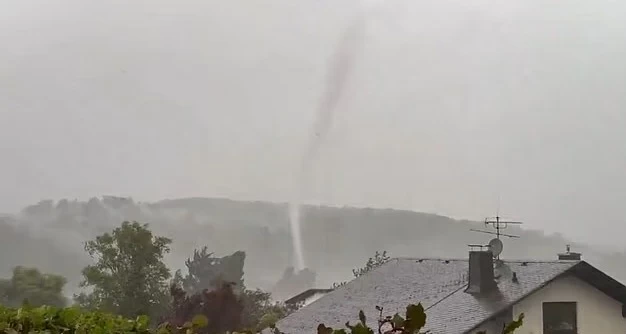
تحولت أجواء صيفية شديدة الحرارة في إيطاليا إلى عواصف عنيفة خلال ساعات، بعدما اجتاحت أمطار غزيرة ورياح قوية وصواعق مناطق واسعة شمال البلاد وأجزاء من وسطها، متسببة في فيضانات وانهيارات أرضية وأضرار مادية وتعطل حركة النقل وإجلاء سكان من المناطق الأكثر تعرضاً للخطر.
وكانت ليجوريا ولومبارديا وشمال توسكانا من أكثر المناطق تضرراً، إذ تسببت الأمطار الغزيرة في سيول وانهيارات أرضية وسقوط أشجار، فيما غمرت المياه عدداً من الطرق والشوارع وألحقت أضراراً بالممتلكات والبنية التحتية.
صواعق وفيضانات تعطل الحياة
وسجلت ليجوريا نشاطاً كهربائياً كثيفاً، مع آلاف الصواعق خلال فترة زمنية قصيرة، بينما تسببت العواصف في اضطرابات بحركة القطارات والطرق، بعدما أدت الأشجار المتساقطة والأضرار التي لحقت بالبنية التحتية إلى إغلاق بعض المسارات.
وفي لومبارديا، شهدت مناطق عدة أمطاراً غزيرة وانهيارات أرضية، فيما جرى إجلاء مئات السكان من مناطق معرضة للخطر، كما تضررت طرق وبلدات نتيجة السيول وانسداد مجاري المياه.
وامتدت تداعيات الطقس السيئ إلى شمال توسكانا، إذ سجلت المنطقة أمطاراً غزيرة ورياحاً قوية، بينما رفعت السلطات مستوى التحذير في مناطق أخرى تحسباً لارتفاع منسوب الأنهار وتزايد مخاطر الفيضانات.
انقلاب جوي بعد موجة حر
وجاءت العواصف عقب موجة حر شديدة شهدتها إيطاليا، في تحول جوي سريع ساعد على تشكل سحب رعدية كثيفة وهطول أمطار غزيرة خلال فترات زمنية قصيرة.
ويرتبط اشتداد هذه الظواهر الجوية، وفق خبراء الأرصاد، بارتفاع درجات حرارة البحر المتوسط، الذي يوفر كميات كبيرة من الرطوبة والطاقة للعواصف، خصوصاً عند التقاء الكتل الهوائية الحارة والرطبة بكتل أكثر برودة.
وتواصل فرق الحماية المدنية والإطفاء عملياتها لإزالة آثار الأشجار والانهيارات، ومساعدة السكان وتأمين المناطق المتضررة، فيما أبقت السلطات تحذيراتها سارية مع توقع استمرار حالة عدم الاستقرار الجوي واحتمال هطول مزيد من الأمطار والعواصف في عدد من المناطق.
The extremely hot summer weather in Italy turned into violent storms within hours, as heavy rains, strong winds, and lightning swept across wide areas in the north of the country and parts of its center, causing floods, landslides, property damage, disruption of transportation, and the evacuation of residents from the most at-risk areas.
Liguria, Lombardy, and northern Tuscany were among the most affected regions, as the heavy rains caused flash floods, landslides, and fallen trees, while water inundated several roads and streets, damaging property and infrastructure.
Lightning and floods disrupt life
Liguria recorded intense electrical activity, with thousands of lightning strikes in a short period, while the storms caused disruptions in train and road traffic, as fallen trees and damage to infrastructure led to the closure of some routes.
In Lombardy, several areas experienced heavy rains and landslides, while hundreds of residents were evacuated from at-risk areas, and roads and towns were affected due to flooding and blocked waterways.
The repercussions of the bad weather extended to northern Tuscany, where the region recorded heavy rains and strong winds, while authorities raised the alert level in other areas in anticipation of rising river levels and increased flood risks.
Weather reversal after a heatwave
The storms came after a severe heatwave that Italy experienced, in a rapid weather shift that helped form dense thunderstorm clouds and heavy rainfall over short periods.
The intensification of these weather phenomena, according to meteorological experts, is linked to the rising temperatures of the Mediterranean Sea, which provides large amounts of moisture and energy for storms, especially when warm, humid air masses meet cooler ones.
Emergency and firefighting teams continue their operations to remove the aftermath of fallen trees and landslides, assist residents, and secure affected areas, while authorities have kept their warnings in place, expecting continued atmospheric instability and the possibility of more rain and storms in several regions.