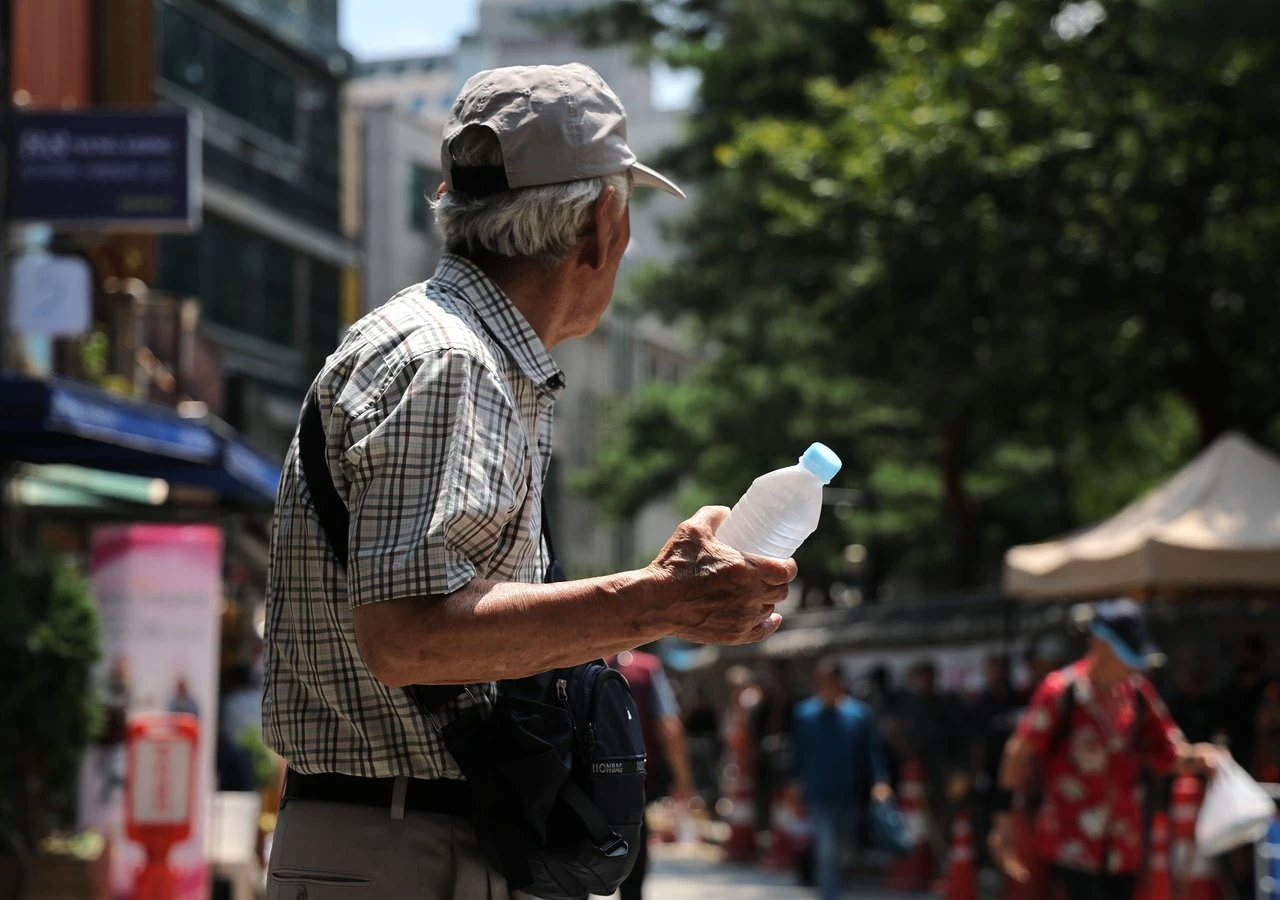
شهدت كوريا الجنوبية ارتفاعاً لافتاً في أعداد الأشخاص الذين تجاوزوا سن المئة عام، إذ اقترب عددهم من ثلاثة أمثال ما كان عليه قبل عقد، في مؤشر يعكس التحسن المستمر في الرعاية الصحية ومستويات المعيشة، بالتزامن مع تسارع شيخوخة المجتمع.
وأظهرت بيانات رسمية لوزارة البيانات والإحصاءات أن عدد الكوريين الجنوبيين الذين تبلغ أعمارهم 100 عام أو أكثر وصل إلى 8604 أشخاص حتى الأول من نوفمبر 2025، مقابل 3159 شخصاً في 2015.
وبذلك ارتفع عدد المعمرين مقارنة بعدد السكان إلى 17.3 شخصاً لكل 100 ألف نسمة، بعدما كان المعدل 10.9 أشخاص قبل عشر سنوات، ما يشير إلى تزايد حضور هذه الفئة العمرية في المجتمع الكوري الجنوبي.
ولا يزال المعمرون من النساء يمثلون الغالبية الساحقة، إذ لم تتجاوز نسبة الرجال 16.6% من الإجمالي، بواقع 1428 شخصاً، في حين شكلت النساء النسبة الأكبر من الأشخاص الذين وصلوا إلى سن المئة أو تجاوزوها.
وجغرافياً، جاء إقليم كيونغغي في المرتبة الأولى من حيث عدد المعمرين، بواقع 2052 شخصاً، تلاه العاصمة سيئول بـ1268 شخصاً، ثم إقليم غيونغسانغ الشمالي الذي سجل 559 شخصاً.
لكن ارتفاع متوسط العمر لا يخلو من تحديات اجتماعية، إذ أظهرت البيانات أن نحو شخص واحد من كل خمسة ممن تجاوزوا المئة عام يعيش بمفرده، وهو ما يسلط الضوء على الحاجة إلى توسيع خدمات الرعاية والدعم الاجتماعي لكبار السن، خصوصاً مع تراجع حجم الأسر وتغير أنماط المعيشة.
ويأتي ارتفاع أعداد المعمرين في وقت تواجه فيه كوريا الجنوبية تحولاً ديموغرافياً سريعاً، مع انخفاض معدلات المواليد وارتفاع متوسط الأعمار، الأمر الذي يفرض ضغوطاً متزايدة على سوق العمل ونظم التقاعد والرعاية الصحية والخدمات الاجتماعية.
ويُعد بلوغ سن المئة أحد أبرز المؤشرات المستخدمة عالمياً لقياس التحولات في متوسط العمر وطول الحياة، إلا أن زيادة أعداد المعمرين لا تعني بالضرورة ارتفاع سنوات الحياة الصحية بالمعدل نفسه، إذ تزداد أهمية توفير رعاية طويلة الأجل وخدمات صحية واجتماعية تتناسب مع حاجات السكان الأكبر سناً.
South Korea has witnessed a remarkable increase in the number of people who have surpassed the age of one hundred, with their numbers approaching three times what they were a decade ago, indicating the continuous improvement in healthcare and living standards, alongside the accelerating aging of society.
Official data from the Ministry of Data and Statistics showed that the number of South Koreans aged 100 or older reached 8,604 as of November 1, 2025, compared to 3,159 in 2015.
This has raised the number of centenarians relative to the population to 17.3 per 100,000 people, up from a rate of 10.9 people a decade ago, indicating an increasing presence of this age group in South Korean society.
Women still represent the overwhelming majority of centenarians, with the percentage of men not exceeding 16.6% of the total, amounting to 1,428 individuals, while women made up the larger proportion of those who reached or exceeded the age of one hundred.
Geographically, Gyeonggi Province ranked first in terms of the number of centenarians, with 2,052 individuals, followed by the capital city, Seoul, with 1,268 individuals, and then North Gyeongsang Province, which recorded 559 individuals.
However, the rise in life expectancy is not without social challenges, as data showed that about one in five people over the age of one hundred lives alone, highlighting the need to expand care and social support services for the elderly, especially with the decline in family size and changing living patterns.
The increase in the number of centenarians comes at a time when South Korea is facing a rapid demographic shift, with declining birth rates and rising life expectancy, which imposes increasing pressures on the labor market, pension systems, healthcare, and social services.
Reaching the age of one hundred is one of the most prominent indicators used globally to measure changes in average age and longevity; however, the increase in the number of centenarians does not necessarily mean that healthy life years are rising at the same rate, making it increasingly important to provide long-term care and health and social services that meet the needs of the older population.