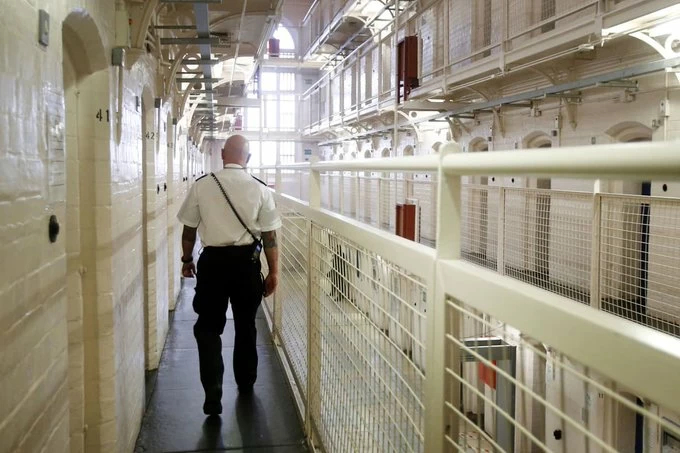
في سابقة تعكس حجم أزمة الاكتظاظ التي تضرب أنظمة السجون الأوروبية، تستعد السويد لإرسال سجناء إلى إستونيا لقضاء عقوباتهم، بعدما صادق البرلمان الإستوني على اتفاق يسمح باستقبال ما يصل إلى 600 سجين سويدي في سجن بمدينة تارتو.
وبموجب الاتفاق، الذي يمتد لخمس سنوات، تستأجر السويد 400 زنزانة في سجن تارتو، مع إمكانية إيواء ما يصل إلى 600 سجين، فيما من المقرر وصول أول دفعة من السجناء خلال أغسطس الجاري، على أن يرتفع عددهم تدريجيًا إلى الطاقة القصوى المتفق عليها.
وتدفع السويد لإستونيا ما لا يقل عن 30.6 مليون يورو سنويًا مقابل توفير 300 مكان، إضافة إلى 8500 يورو شهريًا عن كل سجين إضافي، ما يعني أن قيمة المقابل المالي قد تصل إلى نحو 61.2 مليون يورو سنويًا عند استغلال كامل الطاقة البالغة 600 سجين، مع زيادة سنوية في الأسعار بنسبة 3.5%.
وتعكس الصفقة مفارقة لافتة في أوروبا؛ ففي الوقت الذي تعاني فيه السويد من نقص حاد في الأماكن داخل سجونها، تمتلك إستونيا منشآت عقابية شاغرة أو غير مستغلة بالكامل، ما دفع البلدين إلى تحويل أزمة أحدهما إلى فرصة اقتصادية للآخر.
وبالنسبة إلى إستونيا، لا تقتصر المكاسب على العائد المالي؛ إذ يتيح الاتفاق إبقاء سجن تارتو قيد التشغيل والحفاظ على البنية التحتية الأمنية والوظائف المرتبطة به، فضلًا عن خلق مئات فرص العمل في جنوب البلاد. وكانت السلطات الإستونية قد حذرت من أن عدم استغلال السجن قد يؤدي إلى إغلاقه وخسارة مئات الوظائف.
أما السويد، فتواجه ضغوطًا متزايدة على نظامها العقابي نتيجة ارتفاع أعداد المحكوم عليهم وتوجه حكومي نحو تشديد العقوبات وزيادة مدد السجن. وأقرت الحكومة السويدية بأن التوسع في منظومة السجون تأخر، بينما أصبح الطلب على أماكن جديدة كبيرًا للغاية.
ولن يكون جميع السجناء السويديين مؤهلين للنقل إلى إستونيا؛ إذ تستبعد الترتيبات القاصرين والنساء وبعض المحكوم عليهم في جرائم الإرهاب أو من يمثلون مخاطر أمنية مرتفعة أو يُعتقد أنهم قد يواصلون النشاط الإجرامي داخل السجن. كما لن يُسمح بالإفراج عن أي سجين سويدي في إستونيا، إذ يجب إعادته إلى السويد قبل انتهاء مدة عقوبته.
لكن السويد وإستونيا تقدمان الاتفاق باعتباره حلًا مؤقتًا لمشكلة السعة، مع التأكيد على أن الاتفاق ينظم حقوق وواجبات الطرفين، وظروف تنفيذ العقوبات، وتوزيع التكاليف، وآليات الرقابة.
وتعتبرليست الدولة الأوروبية الوحيدة التي واجهت مشكلة نقص الأماكن في السجون، كما أن فكرة نقل تنفيذ العقوبات إلى الخارج ليست جديدة تمامًا، فقد لجأت دول أوروبية في فترات سابقة إلى ترتيبات لاستغلال منشآت عقابية خارج حدودها، بينما أعادت دول أخرى طرح الفكرة مع تصاعد أعداد السجناء وارتفاع كلفة بناء وتشغيل منشآت جديدة.
In a precedent that reflects the scale of the overcrowding crisis affecting European prison systems, Sweden is preparing to send prisoners to Estonia to serve their sentences, after the Estonian parliament approved an agreement allowing for the reception of up to 600 Swedish prisoners in a prison in the city of Tartu.
Under the agreement, which extends for five years, Sweden will rent 400 cells in Tartu prison, with the possibility of accommodating up to 600 prisoners. The first batch of prisoners is scheduled to arrive during August, with their numbers expected to gradually increase to the agreed maximum capacity.
Sweden will pay Estonia at least 30.6 million euros annually for providing 300 places, in addition to 8,500 euros per month for each additional prisoner, meaning that the total financial compensation could reach around 61.2 million euros annually when fully utilizing the capacity of 600 prisoners, with an annual price increase of 3.5%.
The deal reflects a striking paradox in Europe; while Sweden is suffering from a severe shortage of space in its prisons, Estonia has vacant or underutilized penal facilities, prompting both countries to turn one country's crisis into an economic opportunity for the other.
For Estonia, the benefits are not limited to financial returns; the agreement allows Tartu prison to remain operational and maintain its security infrastructure and associated jobs, as well as create hundreds of job opportunities in the south of the country. Estonian authorities had warned that failing to utilize the prison could lead to its closure and the loss of hundreds of jobs.
As for Sweden, it faces increasing pressure on its penal system due to the rising number of convicted individuals and a government trend towards tightening penalties and increasing prison terms. The Swedish government has acknowledged that the expansion of the prison system has been delayed, while the demand for new places has become extremely high.
Not all Swedish prisoners will be eligible for transfer to Estonia; the arrangements exclude minors, women, and some convicted of terrorism-related crimes or those considered high-security risks or believed to continue criminal activity within the prison. Additionally, no Swedish prisoner will be allowed to be released in Estonia, as they must be returned to Sweden before their sentence ends.
However, Sweden and Estonia present the agreement as a temporary solution to the capacity problem, emphasizing that the agreement regulates the rights and obligations of both parties, the conditions for serving sentences, the distribution of costs, and monitoring mechanisms.
Estonia is not the only European country that has faced a shortage of prison spaces, and the idea of transferring the execution of sentences abroad is not entirely new; some European countries have previously resorted to arrangements to utilize penal facilities outside their borders, while others have revived the idea as the number of prisoners rises and the costs of building and operating new facilities increase.