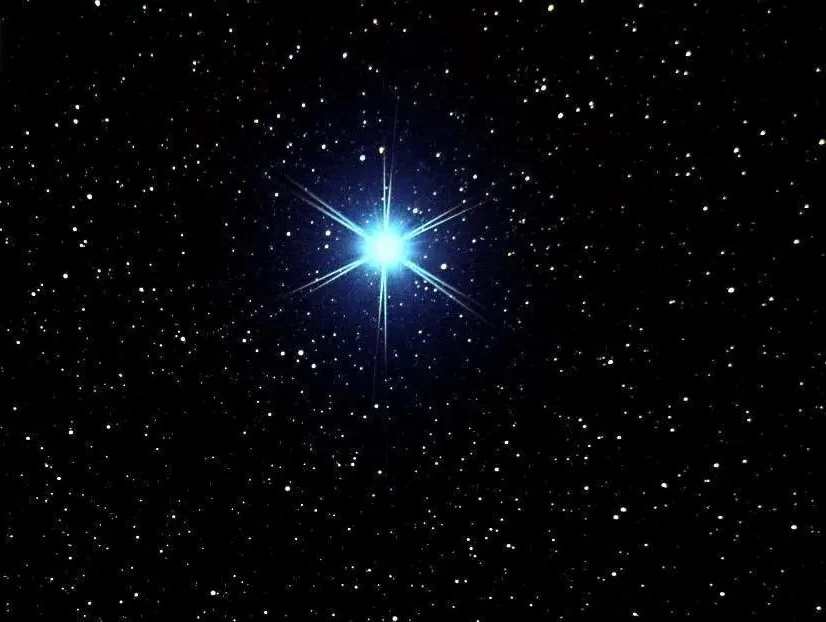
يترقّب المهتمون بالفلك ظهور نجم سهيل خلال الفترة المقبلة؛ بوصفه أحد أشهر النجوم التي ارتبطت بذاكرة سكان الجزيرة العربية بتغيّر المواسم، وبداية العد التنازلي لانحسار حرارة الصيف، وتحسّن الأجواء تدريجيًا مع الاقتراب من فصل الخريف.
وأوضح عضو نادي الفلك والفضاء محمد عناد الهزيمي أنَّ نجم سهيل المعروف فلكيًا باسم «كانوبس» (Canopus)، يُعد ثاني ألمع نجم في السماء ليلًا بعد نجم الشعرى اليمانية، ويقع ضمن كوكبة القاعدة، ويبعد عن الأرض نحو 310 سنوات ضوئية.
وبيّن أن الطلوع الفلكي لنجم سهيل في سماء منطقة الحدود الشمالية يبدأ يوم 26 أغسطس من كل عام، إذ يطلع قرابة الساعة 5:51 صباحًا، قبل شروق الشمس بنحو دقيقة واحدة عند الساعة 5:52 صباحًا، الأمر الذي يجعل رصده بالعين المجردة متعذرًا في بداية طلوعه بسبب ضوء الفجر وقربه الشديد من الأفق.
وأفاد أن رؤية (سهيل) بالعين المجردة في المنطقة تصبح ممكنة عادةً خلال الثلث الأول من شهر سبتمبر، عندما يتقدم وقت طلوعه تدريجيًا ويزداد ارتفاعه فوق الأفق الجنوبي قبل شروق الشمس، مع أهمية صفاء الأجواء وخلو الأفق من العوائق.
«سهيل» ثاني ألمع نجم في السماء ليلًا بعد نجم الشعرى اليمانية.
وأشار الهزيمي إلى أن ظهور سهيل مثّل لدى العرب منذ القدم علامة موسمية مهمة، إذ كانوا يستدلون به على التحولات التدريجية في الطقس، وقِصَر ساعات النهار، وبدء تحسّن درجات الحرارة ليلًا، إلى جانب ارتباطه بمواسم الزراعة والرعي والترحال، حتى أصبح حضوره جزءًا من الموروث الفلكي والشعبي في الجزيرة العربية.
وأكد أن ظهور النجم لا يُحدث تغيرًا في الطقس بذاته، وإنما يُعد علامة فلكية زمنية تتزامن مع مرحلة من التحول الموسمي الناتج عن حركة الأرض حول الشمس، والتغير التدريجي في زاوية سقوط أشعتها وطول النهار؛ وهو ما يفسِّر ارتباط ظهور (سهيل) في الموروث الشعبي بانكسار حدة الصيف.
ويمتد موسم سهيل في الحساب الشعبي 52 يومًا، موزعة على أربعة منازل، مدة كل منها 13 يومًا، تبدأ بالطرفة، ثم الجبهة، فالزبرة، وتنتهي بالصرفة، التي ارتبط اسمها في الموروث بانصراف شدة الحر تدريجيًا.
ويحظى نجم سهيل بمكانة خاصة في الثقافة العربية، إذ ظل ظهوره عبر الأجيال موعدًا ينتظره أهل البادية والمزارعون والمهتمون بالأنواء، لما يمثله من دلالة على الانتقال التدريجي من ذروة حرارة الصيف إلى أجواء أكثر اعتدالًا، في مشهد يجمع الرصد الفلكي والموروث الشعبي المتوارث.
Astronomy enthusiasts are anticipating the appearance of the star Suhail in the upcoming period; as it is one of the most famous stars associated with the memory of the inhabitants of the Arabian Peninsula regarding the changing seasons, the beginning of the countdown to the retreat of summer heat, and the gradual improvement of the weather as autumn approaches.
Member of the Astronomy and Space Club, Mohammed Anad Al-Hazimi, explained that the star Suhail, known astronomically as "Canopus," is the second brightest star in the night sky after Sirius, located within the constellation Carina, and is about 310 light-years away from Earth.
He indicated that the astronomical rising of the star Suhail in the sky of the Northern Borders region begins on August 26 of each year, where it rises around 5:51 AM, just before sunrise at about 5:52 AM, making it difficult to observe with the naked eye at the beginning of its rise due to the dawn light and its proximity to the horizon.
He noted that seeing Suhail with the naked eye in the region usually becomes possible during the first third of September, when its rising time gradually advances and its height above the southern horizon increases before sunrise, with the importance of clear skies and an unobstructed horizon.
«سهيل» ثاني ألمع نجم في السماء ليلًا بعد نجم الشعرى اليمانية.
Al-Hazimi pointed out that the appearance of Suhail has represented an important seasonal sign for Arabs since ancient times, as they used it to indicate gradual changes in the weather, shorter daylight hours, and the beginning of cooler nighttime temperatures, in addition to its association with agricultural, pastoral, and migratory seasons, making its presence a part of the astronomical and popular heritage in the Arabian Peninsula.
He confirmed that the appearance of the star does not cause a change in the weather itself, but rather is a temporal astronomical sign that coincides with a phase of seasonal transition resulting from the Earth's movement around the sun, and the gradual change in the angle of its rays and the length of the day; this explains the association of Suhail's appearance in popular heritage with the easing of summer's intensity.
The season of Suhail in popular reckoning lasts for 52 days, divided into four divisions, each lasting 13 days, starting with Al-Tarfa, then Al-Jabha, followed by Al-Zubara, and ending with Al-Sarfa, whose name is associated in heritage with the gradual retreat of intense heat.
The star Suhail holds a special place in Arab culture, as its appearance across generations has been a time awaited by the people of the desert, farmers, and those interested in weather phenomena, due to what it represents as a sign of the gradual transition from the peak of summer heat to more moderate weather, in a scene that combines astronomical observation and inherited popular heritage.