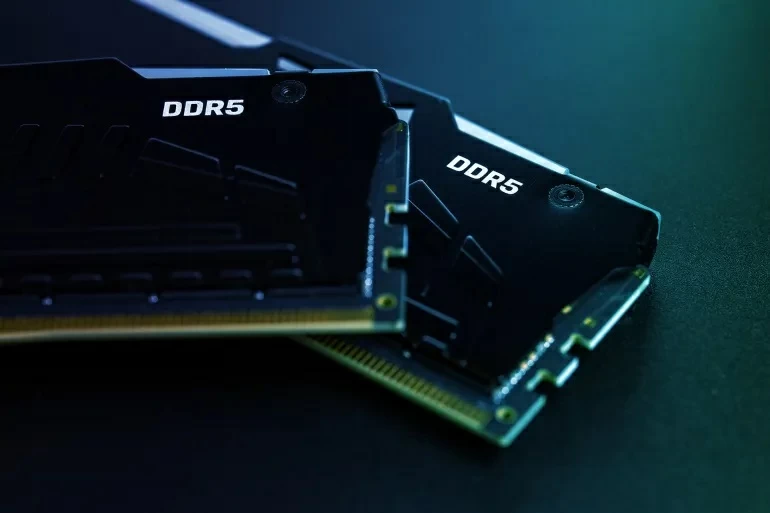
انقلبت موازين صناعة الأجهزة الذكية رأساً على عقب، وتحولت أسعار الذواكر وعناصر التخزين إلى كابوس مالي حقيقي، بعدما سجلت قفزة جنونية بلغت 400%، وسط تحذيرات رسمية من أن القادم أسوأ بكثير.
كشفت التقارير التقنية الحديثة أزمة خانقة تضرب عمالقة التكنولوجيا، بعد أن أعادت هذه الزيادات الفلكية أسعار الذواكر العشوائية إلى مستويات عام 2007، لتمحو بضربة واحدة نحو عقدين كاملين من التطور المستمر وانخفاض الأسعار، مما جعل الأجهزة الذكية من هواتف وحواسيب ومنصات ألعاب تواجه «عنق زجاجة» غير مسبوق.
ولم تكن الأرقام مجرد فقاعة عابرة، فقد وصف الرئيس التنفيذي لشركة «آبل» تيم كوك الأزمة خلال اجتماع المستثمرين الأخير بأنها «فيضان القرن في أسعار الذواكر». ويتطابق هذا الوصف القاتم مع توقعات كواك نوه غونغ الرئيس التنفيذي لشركة «إس كيه هاينكس»، الذي حذر بصراحة تامة من أن عام 2027 سيكون الأسوأ على الإطلاق، مرجحاً استمرار هذا الكابوس إلى ما بعد عام 2030.
وعلى أرض الواقع، تُرجمت هذه الأرقام إلى واقع أليم للمستهلكين، إذ قفز سعر شريحة الذاكرة سعة 16 غيغابايت من فئة «دي دي آر 5» إلى 600 دولار كاملة، بعد أن كانت مستقرة عند حدود 100 دولار فقط في أوائل العام الماضي، بالتوازي مع تضاعف أسعار الأقراص الصلبة.
وعلى عكس السائد بأن طفرة الذكاء الاصطناعي وحدها هي المسؤولة عن المأساة، يشير الخبراء إلى أن هيكل السوق المتمثل في سيطرة ثلاث شركات فقط على قطاع التصنيع يعمق الأزمة. ويوضح الباحثون أن المخرج الوحيد يتمثل إما في احتكار الإنتاج عبر ضخ تحولات تصنيعية جديدة، أو ابتكار معامل الذكاء الاصطناعي لتقنيات لا تتطلب هذه الكميات المرعبة من الذواكر.
وأمام هذا النزيف المالي، بدأت كبرى الشركات التقنية (وعلى رأسها آبل) في تمرير الزيادات ورفع أسعار منتجاتها رسمياً، ليشمل الغلاء الحواسيب المحمولة ومنصات الألعاب، وسط مخاوف قريبة من امتداد الطوفان ليهدد أسعار هواتف آيفون. لذا يوجه الخبراء نصيحة حاسمة لكل الراغبين في اقتناء أو تحديث أجهزتهم التقنية بضرورة الشراء فورا، قبل أن تتسع فجوة الأزمة وترتفع الأسعار إلى مستويات تصبح فيها التكنولوجيا ترفاً صعب المنال.
The balance of the smart device industry has been turned upside down, and the prices of memory and storage components have become a real financial nightmare, after witnessing a staggering jump of 400%, amid official warnings that the worst is yet to come.
Recent technical reports have revealed a suffocating crisis hitting technology giants, as these astronomical increases have brought random access memory prices back to levels seen in 2007, wiping out nearly two decades of continuous development and price reductions, causing smart devices such as phones, computers, and gaming consoles to face an unprecedented "bottleneck."
The numbers were not just a fleeting bubble; Apple CEO Tim Cook described the crisis during the recent investor meeting as "the flood of the century in memory prices." This grim description aligns with the predictions of Kwon Noh-Gong, CEO of SK Hynix, who bluntly warned that 2027 will be the worst year ever, suggesting that this nightmare may continue beyond 2030.
In reality, these figures have translated into a painful reality for consumers, as the price of a 16 GB DDR5 memory chip has soared to a full $600, after being stable at around $100 only at the beginning of last year, coinciding with a doubling of hard drive prices.
Contrary to the prevailing belief that the AI boom alone is responsible for the tragedy, experts point out that the market structure, characterized by the dominance of only three companies in the manufacturing sector, exacerbates the crisis. Researchers explain that the only way out lies either in monopolizing production through new manufacturing transformations or in innovating AI labs for technologies that do not require these terrifying amounts of memory.
In light of this financial bleeding, major tech companies (led by Apple) have started to officially pass on the increases and raise the prices of their products, affecting laptops and gaming consoles, amid fears that the flood may extend to threaten iPhone prices. Therefore, experts advise anyone looking to purchase or upgrade their tech devices to buy immediately, before the gap of the crisis widens and prices rise to levels where technology becomes a difficult luxury to attain.