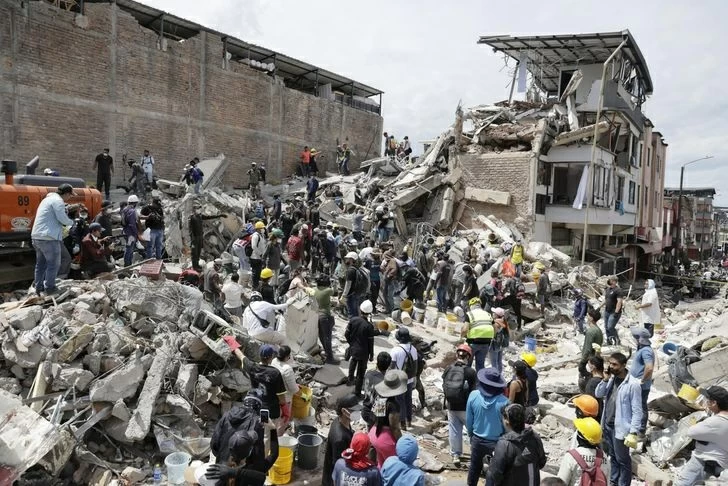
دخلت جهود الإنقاذ في غربي كولومبيا صباح (الخميس) مرحلة شديدة الحساسية، مع اقتراب انتهاء الساعات الذهبية الأولى بعد الزلزال العنيف الذي ضرب البلاد مطلع الأسبوع، وخلّف دمارًا واسعًا وارتفاعًا متسارعًا في أعداد الضحايا.
وتشير آخر البيانات الرسمية إلى أنّ الحصيلة بلغت 265 قتيلًا وأكثر من 3500 مصاب، فيما لا يزال نحو 500 شخص في عداد المفقودين؛ وفق تحديثات صدرت صباح اليوم.
الرئيس الكولومبي الجديد أبيلاردو دي لا إسبريّا، الذي لم يمضِ على توليه المنصب سوى أيام قليلة، أعلن حالة طوارئ اقتصادية وحدادًا وطنيًا لثلاثة أيام، متعهدًا بإطلاق صندوق عاجل لإعادة بناء المستشفيات والمدارس والمنازل والبنية التحتية المنهارة. ووصف دي لا إسبريّا المأساة بأنها "كارثة ذات أبعاد هائلة"، مؤكدًا أن الأولوية الآن هي الوصول إلى المفقودين قبل انقضاء النافذة الزمنية الحرجة للعثور على ناجين.
الزلزال الذي بلغت قوته 7.4 درجات ضرب مقاطعة تشوكو الفقيرة على الساحل الهادئ، وامتدت آثاره إلى مدن كبرى مثل كالي وبيريرا، اللتين سجلتا أعلى عدد من الضحايا. وفي كالي وحدها انهارت عشرات المباني، فيما تعمل فرق الإنقاذ ليلًا ونهارًا مستخدمة الكلاب البوليسية والمعدات الثقيلة، بينما يشكّل المتطوعون سلاسل بشرية لإزالة الركام يدويًا.
وفي بيريرا، أعاد انتشال امرأة تبلغ 32 عامًا من تحت الأنقاض بعد أكثر من 35 ساعة من الاحتجاز الأمل إلى العائلات التي تنتظر أي إشارة حياة من أحبائها. وتواصل الفرق عملياتها وسط صمت تام يُفرض كل نصف ساعة للاستماع إلى أي نداء أو طرق من تحت الركام.
الحكومة نفت رفض أي عروض دولية للمساعدة، مؤكدة أن شحنات الإغاثة بدأت تصل من دول عدة، فيما أعلنت الأمم المتحدة أنها تحشد مواردها لدعم الاستجابة الوطنية، مع تركيز خاص على توفير المأوى والغذاء والرعاية الصحية للمناطق الأكثر تضررًا.
The rescue efforts in western Colombia entered a highly sensitive phase on Thursday morning, as the first golden hours after the violent earthquake that struck the country at the beginning of the week were coming to an end, leaving widespread destruction and a rapidly increasing death toll.
Latest official data indicates that the toll has reached 265 dead and more than 3,500 injured, while around 500 people are still missing, according to updates released this morning.
The new Colombian president, Abelardo de la Espriella, who has only been in office for a few days, declared a state of economic emergency and a national mourning period for three days, pledging to launch an urgent fund to rebuild hospitals, schools, homes, and collapsed infrastructure. De la Espriella described the tragedy as "a disaster of enormous proportions," emphasizing that the priority now is to reach the missing before the critical time window for finding survivors closes.
The earthquake, which registered a magnitude of 7.4, struck the impoverished Chocó department on the Pacific coast, with its effects extending to major cities like Cali and Pereira, which recorded the highest number of casualties. In Cali alone, dozens of buildings collapsed, while rescue teams are working day and night using police dogs and heavy equipment, as volunteers form human chains to manually remove debris.
In Pereira, the rescue of a 32-year-old woman from under the rubble after more than 35 hours of entrapment brought hope to families waiting for any sign of life from their loved ones. Teams continue their operations amid complete silence imposed every half hour to listen for any calls or knocks from beneath the debris.
The government denied rejecting any international offers for assistance, confirming that relief shipments have started arriving from several countries, while the United Nations announced that it is mobilizing its resources to support the national response, with a particular focus on providing shelter, food, and healthcare to the most affected areas.