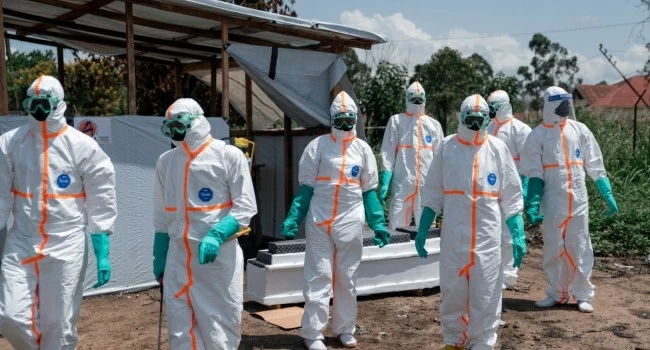
ارتفع عدد الإصابات المؤكدة بفايروس إيبولا في جمهورية الكونغو الديمقراطية إلى مستويات غير مسبوقة، بعدما تجاوزت الحالات حاجز 4,449 إصابة، بينها 2,061 وفاة؛ وفق بيانات حكومية صدرت مساء الثلاثاء.
ويُعد هذا التفشي الأسرع في تاريخ البلاد، متجاوزًا في وتيرته تفشي غرب أفريقيا بين عامي 2014 و2016، رغم أنه كان الأكبر من حيث عدد الإصابات.
وتواجه فرق الاستجابة الصحية تحديات معقدة تعيق احتواء انتشار الفايروس؛ أبرزها النزاعات المسلحة في الشرق، وصعوبة الوصول إلى المناطق النائية بسبب رداءة الطرق، إضافة إلى تعطّل بعض العمليات الميدانية نتيجة مشكلات في التمويل والصرف. وتُظهر البيانات أن حصيلة الوفيات تضاعفت بوتيرة لافتة؛ إذ سُجّلت ألف وفاة خلال تسعة أسابيع، ثم ألف وفاة أخرى خلال ثلاثة أسابيع فقط، ما يعكس سرعة انتقال الفايروس في المجتمعات المتضررة.
ورغم أن التفشي الحالي أُعلن رسميًا في منتصف مايو، فإن التحليل الجيني يؤكد أن الفايروس بدأ بالانتشار قبل ذلك بأشهر، وتحديدًا في فبراير؛ ما يعني أن العدوى كانت تتحرك بصمت قبل اكتشافها. ويُعد هذا التفشي ثاني أكبر موجة إيبولا في التاريخ بعد تفشي غرب أفريقيا، وقد امتد عبر خمس مقاطعات شرقية قرب حدود جنوب السودان وأوغندا ورواندا.
وتشير البيانات إلى أن معدل الوفيات في التفشي الحالي بلغ 45.9%، وهو أعلى من معدل التفشي التاريخي بين 2014 و2016. ويعود ذلك إلى أن السلالة المنتشرة الآن هي سلالة بونديبوغيو النادرة، التي لا يتوفر لها لقاح معتمد أو علاج فعّال حتى الآن، مما يزيد من صعوبة السيطرة عليها.
ومنذ تسجيل أول إصابة بالفايروس عام 1976 قرب نهر إيبولا، شهدت الكونغو 17 تفشيًا للمرض، لكن التفشي الحالي يُعد الأكبر والأسرع من حيث الانتشار، وسط تحذيرات دولية من ضرورة تعزيز الدعم اللوجستي والصحي لاحتواء الأزمة قبل اتساعها أكثر.
The number of confirmed Ebola virus infections in the Democratic Republic of the Congo has risen to unprecedented levels, surpassing 4,449 cases, including 2,061 deaths; according to government data released on Tuesday evening.
This outbreak is the fastest in the country's history, outpacing the West Africa outbreak between 2014 and 2016, although that was the largest in terms of the number of infections.
Health response teams are facing complex challenges that hinder the containment of the virus; the most prominent of which are armed conflicts in the east, difficulties in accessing remote areas due to poor roads, in addition to disruptions in some field operations due to funding and expenditure issues. Data shows that the death toll has doubled at a notable rate; with one thousand deaths recorded over nine weeks, followed by another thousand deaths in just three weeks, reflecting the rapid spread of the virus in affected communities.
Although the current outbreak was officially declared in mid-May, genetic analysis confirms that the virus began spreading months earlier, specifically in February; indicating that the infection was moving silently before it was detected. This outbreak is the second largest Ebola wave in history after the West Africa outbreak, and it has extended across five eastern provinces near the borders of South Sudan, Uganda, and Rwanda.
Data indicates that the mortality rate in the current outbreak has reached 45.9%, which is higher than the historical outbreak rate between 2014 and 2016. This is due to the fact that the strain currently spreading is the rare Bundibugyo strain, for which there is no approved vaccine or effective treatment available yet, making it more difficult to control.
Since the first recorded case of the virus in 1976 near the Ebola River, the Congo has experienced 17 outbreaks of the disease, but the current outbreak is the largest and fastest in terms of spread, amid international warnings of the need to enhance logistical and health support to contain the crisis before it expands further.