ارتفعت حصيلة الضحايا الذين خلفهم الزلزال القوي الذي هزّ غرب كولومبيا (صباح الإثنين) إلى أكثر من مئة قتيل وما بين 570 و700 مصاب، وسط انهيارات واسعة في عدد من المدن، بينما تواصل فرق الإنقاذ عمليات البحث عن ناجين عالقين تحت الأنقاض في ظل تحذيرات من استمرار الهزات الارتدادية. وبلغت قوة الزلزال 7.4 درجة؛ وفق هيئة المسح الجيولوجي الأمريكية، ووقع على عمق 107 كيلومترات، فيما وصفته الهيئة الجيولوجية الكولومبية بأنه الأعنف الذي يسجل في البلاد خلال القرن الواحد والعشرين. وأعلن الرئيس الكولومبي أبيلاردو دي لا إسبرييا حالة الطوارئ الوطنية، مؤكداً في خطاب متلفز أن الحكومة سخّرت جميع إمكاناتها لحماية الأرواح ومساعدة المناطق المتضررة، وأن الأولوية تتمثل في إنقاذ المحاصرين تحت الأنقاض. وأشار لاحقًا إلى مقتل 35 شخصًا وإصابة نحو 700 آخرين في إقليم فايي ديل كاوكا، حيث تقع مدينة كالي، بينما أوردت وسائل إعلام محلية حصيلة أعلى بلغت 132 قتيلًا على مستوى البلاد، من دون أن يتضح مصدر هذه الأرقام.
وتحركت فرق الإنقاذ إلى المناطق الأكثر تضررًا، بالتزامن مع فرض حظر تجول في مدن عدة خشية وقوع أعمال نهب، ونشر قوات من الشرطة والجيش لتأمين الأحياء المنكوبة. كما علقت هيئة الطيران المدني العمليات في عدد من مطارات غرب البلاد لإجراء فحوص على سلامة المنشآت، بينما تواصل فرق هندسية تقييم الأضرار التي لحقت بالبنية التحتية.
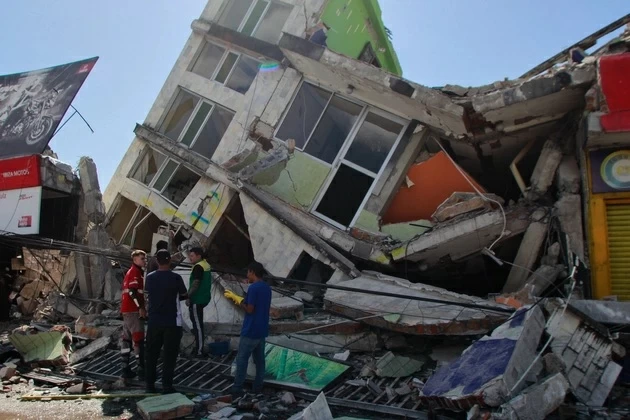
وتسبب الزلزال في انهيار مبانٍ وتضرر مستشفيات ومنشآت عامة في مدن كالي وبيريرا وأرمينيا ومانيثاليس، حيث أظهرت لقطات مصورة انهيار مبنى مؤلف من أربعة طوابق في بيريرا، وسقوط أحد الأبراج الجانبية لكاتدرائية مانيثاليس ذات الطراز القوطي الجديد، وتناثر الحطام في الشوارع المحيطة. كما لحقت أضرار بأبراج سكنية ومرافق للطوارئ، وسقطت أنقاض على سيارات إسعاف كانت متوقفة أسفل مبانٍ متضررة.
وفي كالي، قالت السلطات إن عشرات الأشخاص علقوا تحت الأنقاض، فيما تمكن رجال الإنقاذ من إخراج ناجين، بينهم امرأة وطفلان، إضافة إلى إنقاذ رضيعة تبلغ ستة أشهر ووالدتها من تحت أنقاض مبنى مؤلف من خمسة طوابق، في مشاهد لاقت تفاعلاً واسعًا في وسائل الإعلام المحلية.
وتضررت مدينة بيريرا بشدة، بينما تواصل فرق الإنقاذ عمليات البحث بين الركام وسط تحذيرات من استمرار الهزات الارتدادية، إذ أفادت الهيئة الجيولوجية الكولومبية بتسجيل 21 هزة حتى وقت متأخر من الاثنين، محذرة من احتمال وقوع هزات إضافية، ما دفع السلطات إلى إبقاء فرق الطوارئ في حالة تأهب.
وزار الرئيس دي لا إسبرييا مدينة كيبدو، عاصمة إقليم تشوكو الساحلي، حيث تعهد بتقديم مساعدات للإيجار للأشخاص الذين فقدوا منازلهم، قبل أن يتوجه إلى كالي، إحدى أكثر المدن تضررًا، مؤكداً أن الحكومة ستواصل دعم المجتمعات المتضررة وتوفير الاحتياجات العاجلة، وأن إنقاذ المحاصرين يمثل الأولوية القصوى لعمليات الاستجابة.
وتعيد الكارثة إلى الأذهان زلزال عام 1999 الذي ضرب منطقة زراعة البن بقوة 6.2 درجات، وتسبب في مقتل أكثر من ألف شخص، خصوصًا في المناطق المحيطة بمدينتي أرمينيا وبيريرا. ويأتي الزلزال الحالي بعد أيام قليلة من تولي دي لا إسبرييا رئاسة البلاد، ليشكل أول اختبار كبير لإدارته الجديدة، في وقت لا تزال فيه كولومبيا تتابع تداعيات زلزالين مدمرين ضربا فنزويلا المجاورة في يونيو الماضي.
The death toll from the powerful earthquake that struck western Colombia (on Monday morning) has risen to more than one hundred dead and between 570 and 700 injured, amid widespread collapses in several cities, while rescue teams continue their search for survivors trapped under the rubble amid warnings of ongoing aftershocks. The earthquake registered a magnitude of 7.4; according to the U.S. Geological Survey, it occurred at a depth of 107 kilometers, while the Colombian Geological Institute described it as the most violent recorded in the country during the twenty-first century. Colombian President Abelardo de la Espriella declared a national emergency, affirming in a televised address that the government has mobilized all its resources to protect lives and assist affected areas, with the priority being to rescue those trapped under the rubble. He later noted that 35 people had died and around 700 others were injured in the Valle del Cauca region, where the city of Cali is located, while local media reported a higher toll of 132 dead nationwide, without clarifying the source of these figures.
Rescue teams moved to the most affected areas, coinciding with a curfew imposed in several cities for fear of looting, and police and military forces were deployed to secure the affected neighborhoods. The Civil Aviation Authority also suspended operations at several airports in western Colombia to conduct safety inspections, while engineering teams continued to assess the damage to infrastructure.
The earthquake caused buildings to collapse and damaged hospitals and public facilities in the cities of Cali, Pereira, Armenia, and Manizales, where video footage showed a four-story building collapsing in Pereira, and one of the side towers of the neo-Gothic cathedral in Manizales falling, with debris scattered in the surrounding streets. Residential towers and emergency facilities were also damaged, with rubble falling on ambulances parked beneath affected buildings.
In Cali, authorities reported that dozens of people were trapped under the rubble, while rescuers managed to pull survivors out, including a woman and two children, in addition to rescuing a six-month-old baby and her mother from under the rubble of a five-story building, in scenes that garnered widespread attention in local media.
The city of Pereira was severely affected, while rescue teams continued their search operations among the debris amid warnings of ongoing aftershocks, as the Colombian Geological Institute reported 21 tremors recorded until late Monday, warning of the possibility of additional quakes, prompting authorities to keep emergency teams on alert.
President de la Espriella visited the city of Quibdó, the capital of the coastal Chocó region, where he pledged to provide rental assistance to those who lost their homes, before heading to Cali, one of the most affected cities, affirming that the government would continue to support the affected communities and provide urgent needs, and that rescuing those trapped is the top priority for response operations.
The disaster recalls the 1999 earthquake that struck the coffee-growing region with a magnitude of 6.2, resulting in the deaths of more than a thousand people, especially in the areas surrounding the cities of Armenia and Pereira. This current earthquake comes just a few days after de la Espriella took office as president, marking the first major test for his new administration, at a time when Colombia is still monitoring the aftermath of two devastating earthquakes that struck neighboring Venezuela last June.