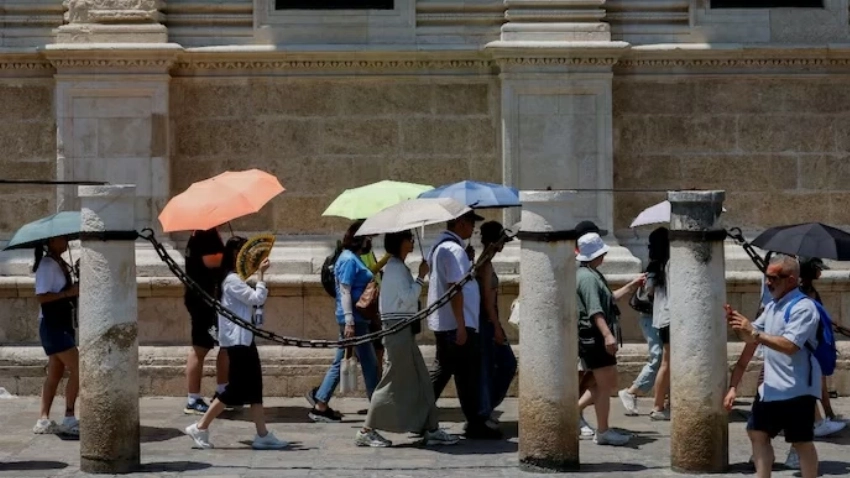
سجّلت إسبانيا، ثاني أكثر دول العالم استقبالًا للسياح بعد فرنسا، رقمًا قياسيًا جديدًا في يونيو 2026، بعدما استقبلت نحو 9.75 مليون زائر دولي بزيادة بلغت 2.9% على أساس سنوي، وهو أعلى مستوى يُسجَّل لهذا الشهر في تاريخ البلاد.
ورغم هذا النمو، تراجعت أعداد الوافدين مقارنة بشهر مايو الذي شهد وصول 10.26 مليون سائح، على الرغم من انطلاق موسم السفر الصيفي الذي يمثل ذروة النشاط السياحي.
ووفق بيانات المعهد الوطني الإسباني للإحصاء، قفز إنفاق السياح الدوليين بوتيرة أسرع من نمو أعدادهم، ليصل إلى 13.6 مليار يورو (نحو 15.6 مليار دولار)، ما يعكس ارتفاع متوسط الإنفاق الفردي، خصوصًا لدى الزوار القادمين من الأسواق البعيدة.
وخلال الفترة نفسها، واجهت إسبانيا موجة حر شديدة حطمت أرقامًا قياسية لدرجات الحرارة في عدد من المناطق، ما أثار مخاوف بشأن تأثيرها المحتمل على الموسم السياحي، رغم أن البيانات الأولية لم تُظهر تراجعًا كبيرًا في الطلب.
وحافظت المملكة المتحدة على صدارتها كأكبر سوق مصدّر للسياح إلى إسبانيا، إذ ارتفع عدد الزوار البريطانيين إلى 2.3 مليون سائح خلال يونيو، بزيادة 6.8% مقارنة بالعام الماضي. كما سجّلت الولايات المتحدة نموًا قويًا بلغ 12.3%، مع وصول نحو 614 ألف زائر، مدعومًا بتوسّع الرحلات الجوية المباشرة بين المدن الإسبانية وأمريكا الشمالية، وارتفاع متوسط إنفاق السائح الأمريكي مقارنة بالزوار الأوروبيين.
في المقابل، شهدت إيرلندا أكبر تراجع بين الأسواق الرئيسية، إذ انخفض عدد زوارها إلى 325 ألف سائح، بتراجع 9.2% على أساس سنوي.
وبلغ إجمالي عدد السياح الدوليين الوافدين إلى إسبانيا خلال النصف الأول من عام 2026 نحو 46.57 مليون زائر، بزيادة 4.6% مقارنة بالفترة نفسها من 2025. وتستعد البلاد لتحقيق رقم تاريخي جديد، مع توقعات باستقبال 100 مليون سائح خلال العام، بعد أن سجّلت 97 مليون زائر في 2025، ما يعزز مكانة السياحة كأحد أهم محركات الاقتصاد الإسباني.
Spain, the second most visited country in the world after France, recorded a new record in June 2026, welcoming around 9.75 million international visitors, an increase of 2.9% year-on-year, marking the highest level recorded for this month in the country's history.
Despite this growth, the number of arrivals declined compared to May, which saw 10.26 million tourists, even with the start of the summer travel season that represents the peak of tourism activity.
According to data from the Spanish National Institute of Statistics, international tourist spending surged at a faster rate than the growth in their numbers, reaching 13.6 billion euros (about 15.6 billion dollars), reflecting an increase in average individual spending, especially among visitors from distant markets.
During the same period, Spain faced a severe heatwave that broke temperature records in several regions, raising concerns about its potential impact on the tourism season, although preliminary data did not show a significant decline in demand.
The United Kingdom maintained its position as the largest source market for tourists to Spain, with the number of British visitors rising to 2.3 million in June, an increase of 6.8% compared to last year. The United States also recorded strong growth of 12.3%, with around 614,000 visitors, supported by the expansion of direct flights between Spanish cities and North America, and an increase in average spending by American tourists compared to European visitors.
In contrast, Ireland experienced the largest decline among the main markets, with the number of its visitors dropping to 325,000 tourists, a decrease of 9.2% year-on-year.
The total number of international tourists arriving in Spain during the first half of 2026 reached approximately 46.57 million visitors, an increase of 4.6% compared to the same period in 2025. The country is preparing to achieve a new historic figure, with expectations of welcoming 100 million tourists during the year, after recording 97 million visitors in 2025, reinforcing the position of tourism as one of the most important drivers of the Spanish economy.