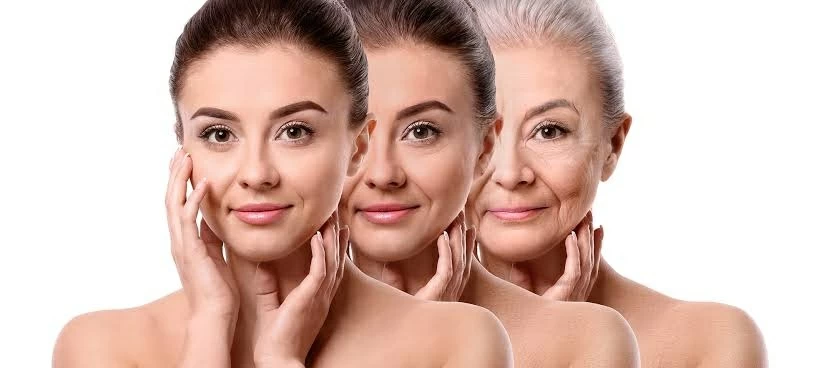
لم تعد الشيخوخة المبكرة للبشرة مرتبطة بالشمس وحدها، رغم أن التعرض للأشعة فوق البنفسجية لا يزال العامل الخارجي الأكبر تأثيراً في مظهر الجلد.
العلم الحديث يكشف أن علامات التقدم في العمر لا تظهر فجأة، بل تتشكل تدريجياً تحت تأثير مجموعة من العادات اليومية التي تعمل بصمت على إضعاف حاجز البشرة، وزيادة الإجهاد التأكسدي، وتقليل قدرة الجلد على التجدد.
ويشير أطباء الجلد إلى أن نمط الحياة أصبح جزءاً أساسياً من معادلة الشيخوخة، إذ تتداخل عوامل مثل التوتر المزمن، قلة النوم، سوء التغذية، والتعرض للملوثات في مسارات بيولوجية تؤثر في مرونة الجلد وصحته، وتسرّع ظهور الخطوط الدقيقة وفقدان الإشراقة.
التوتر
الإجهاد النفسي المستمر يرفع مستويات هرمون الكورتيزول، ما يضعف حاجز البشرة ويزيد من فقدان الماء، فتبدو أكثر جفافاً وباهتة. كما يرتبط التوتر بزيادة الالتهابات التي تؤثر في بروتينات الكولاجين والإيلاستين، وهما الركيزة الأساسية لتماسك البشرة ومرونتها، ما يجعل الخطوط الدقيقة أكثر وضوحاً مع مرور الوقت.قلة النوم
خلال النوم يدخل الجلد مرحلة إصلاح وتجدد نشطة، إذ تتسارع عملية تجدد الخلايا وتزداد قدرة البشرة على إصلاح الأضرار المتراكمة. أما الحرمان من النوم فينعكس على شكل هالات داكنة، فقدان للنضارة، وضعف في مرونة الجلد، إلى جانب بطء تعافي الحاجز الطبيعي للبشرة.
الغذاء
النظام الغذائي يلعب دوراً محورياً في صحة الجلد. فالأطعمة الغنية بالسكريات المكررة والأطعمة فائقة التصنيع تسرّع عملية ارتباط جزيئات السكر بالبروتينات، ما يؤثر في صلابة الكولاجين ويضعف مرونة البشرة. في المقابل، تساعد الأطعمة الغنية بمضادات الأكسدة -كالخضار والفواكه والمكسرات والأسماك الدهنية- في مقاومة الإجهاد التأكسدي ودعم تجدد الخلايا.
التلوث
الجزيئات الملوثة التي تلتصق بالجلد تحفّز إنتاج الجذور الحرة، وهي جزيئات غير مستقرة تساهم في إلحاق الضرر بالخلايا. ومع التعرض المتكرر، يؤدي ذلك إلى تفاوت لون البشرة، فقدان الإشراقة، وضعف القدرة على الاحتفاظ بالرطوبة، ما يجعل التلوث عاملاً أساسياً في شيخوخة الجلد الحديثة.
وتشير مراجعات علمية حديثة إلى مفهوم (الشيخوخة الالتهابية)، وهي حالة من الالتهاب المنخفض والمستمر الذي يسرّع تراجع مرونة البشرة وظهور علامات العمر. ولهذا أصبحت الوقاية تعتمد على استراتيجية متكاملة تجمع بين الحماية من الشمس، والعناية الموضعية، وتحسين نمط الحياة اليومي.
Early skin aging is no longer solely associated with the sun, although exposure to ultraviolet rays remains the most significant external factor affecting the appearance of the skin.
Modern science reveals that signs of aging do not appear suddenly; rather, they gradually form under the influence of a range of daily habits that silently weaken the skin barrier, increase oxidative stress, and reduce the skin's ability to regenerate.
Dermatologists indicate that lifestyle has become an essential part of the aging equation, as factors such as chronic stress, lack of sleep, poor nutrition, and exposure to pollutants intersect in biological pathways that affect skin elasticity and health, accelerating the appearance of fine lines and loss of radiance.
Stress
Continuous psychological stress raises cortisol hormone levels, weakening the skin barrier and increasing water loss, making the skin appear drier and duller. Stress is also linked to increased inflammation that affects collagen and elastin proteins, which are the fundamental pillars of skin firmness and elasticity, making fine lines more pronounced over time. Lack of Sleep
During sleep, the skin enters an active repair and renewal phase, where the cell renewal process accelerates and the skin's ability to repair accumulated damage increases. Sleep deprivation, on the other hand, reflects in the form of dark circles, loss of radiance, and decreased skin elasticity, along with a slow recovery of the skin's natural barrier.
Nutrition
The diet plays a pivotal role in skin health. Foods rich in refined sugars and ultra-processed foods accelerate the process of sugar molecules binding to proteins, which affects collagen stiffness and weakens skin elasticity. In contrast, foods rich in antioxidants—such as vegetables, fruits, nuts, and fatty fish—help combat oxidative stress and support cell renewal.
Pollution
The pollutant particles that stick to the skin stimulate the production of free radicals, which are unstable molecules that contribute to cell damage. With repeated exposure, this leads to uneven skin tone, loss of radiance, and decreased ability to retain moisture, making pollution a key factor in modern skin aging.
Recent scientific reviews point to the concept of (inflammatory aging), a state of low-grade, chronic inflammation that accelerates the decline of skin elasticity and the appearance of age signs. Therefore, prevention has come to rely on a comprehensive strategy that combines sun protection, topical care, and improving daily lifestyle.