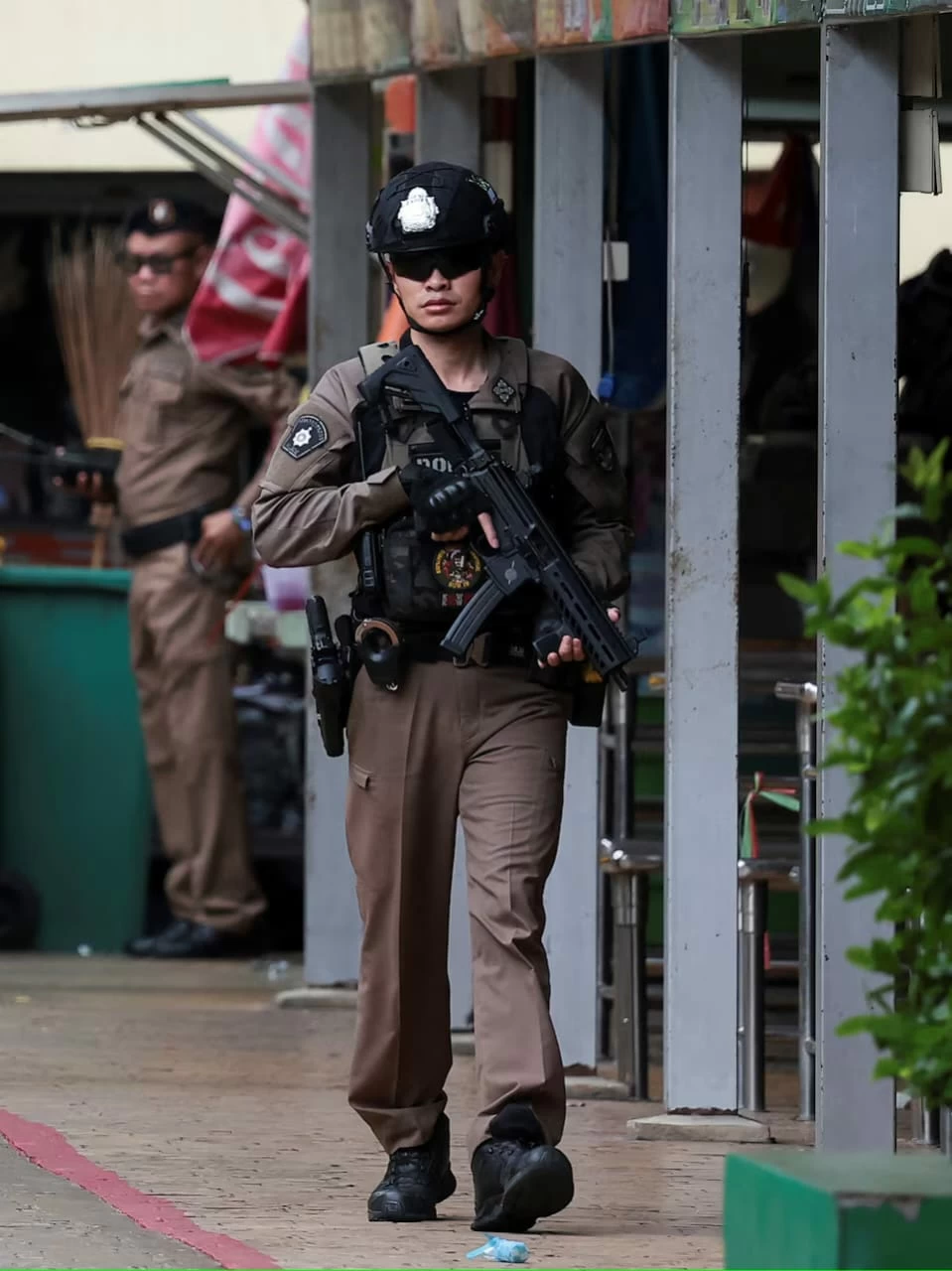
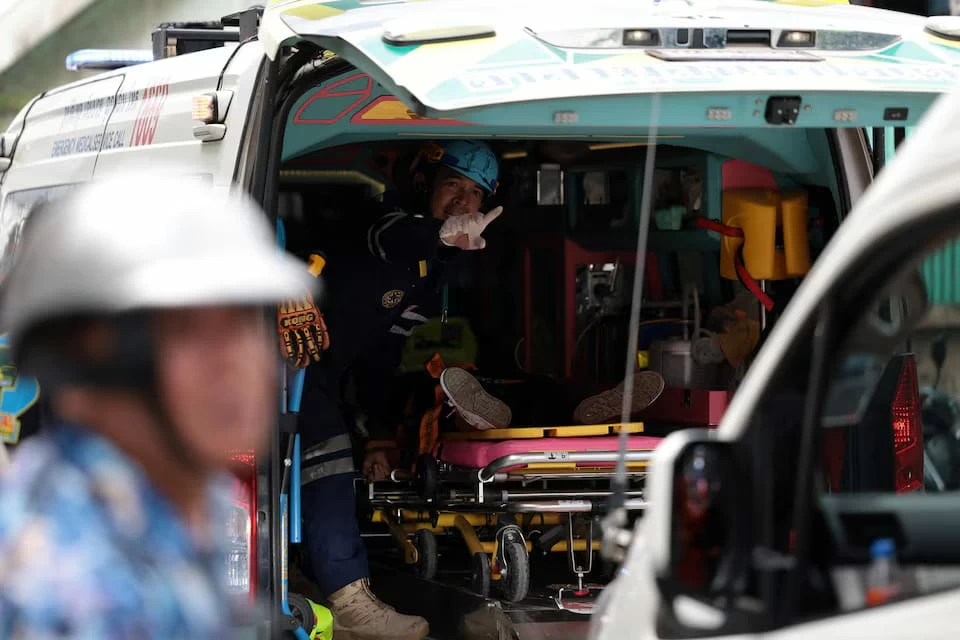
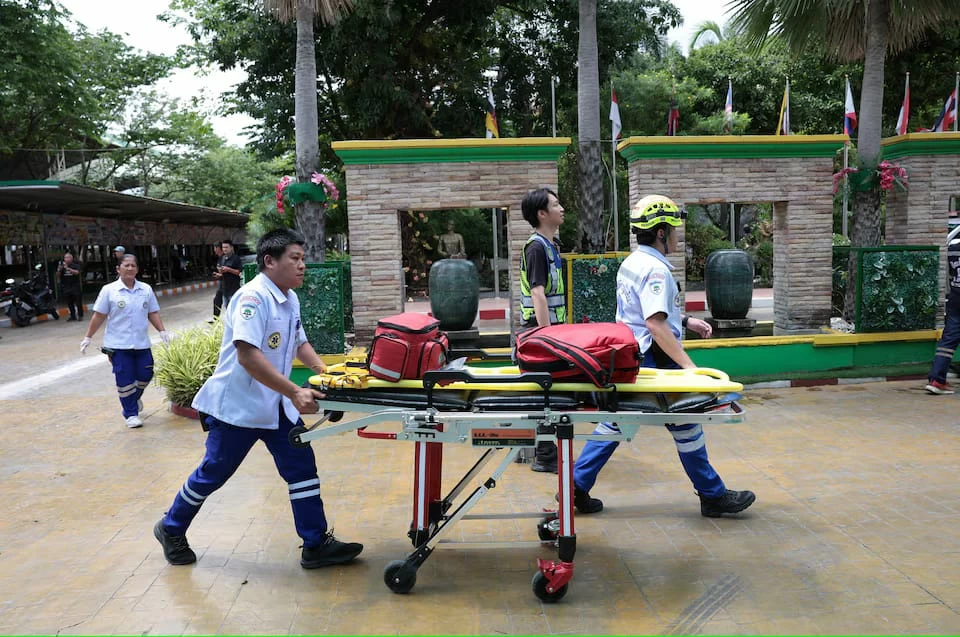
في أعقاب حادثة إطلاق نار دموية هزت ضواحي العاصمة بانكوك وأسفرت عن سقوط 8 قتلى على الأقل، تعهد رئيس الوزراء التايلندي أنوتين تشارنفيراكول، اليوم (الجمعة)، بطرح قانون جديد يفرض قيودًا أكثر صرامة على حمل الأسلحة النارية، في محاولة للحد من تكرار حوادث إطلاق النار الجماعي في واحدة من أكثر دول جنوب شرق آسيا انتشارًا للأسلحة بين المدنيين.
وقال أنوتين، الذي سبق أن اتخذ إجراءات لتشديد قوانين الأسلحة خلال توليه منصب وزير الداخلية، إن التشريع الجديد سيهدف إلى تنظيم حمل الأسلحة من جانب أفراد المجتمع، مشيرًا إلى أن حمل السلاح سيكون مسموحًا للمسؤولين الحكوميين أثناء تأدية مهماتهم.
ولم يكشف رئيس الوزراء التايلندي تفاصيل مشروع القانون المرتقب، أو يوضح ما إذا كانت الإجراءات الجديدة ستشمل تشديد شروط امتلاك الأسلحة أو الحصول على تراخيصها، مكتفيًا بالتأكيد على ضرورة التحرك بعد الحادثة الأخيرة.
هجوم جديد يعيد ملف السلاح إلى الواجهة
جاءت تصريحات أنوتين بعد ساعات من حادثة إطلاق نار وقعت في إحدى المناطق الواقعة خارج بانكوك، إذ أطلق مراهق تايلندي النار على جدَّيه، ما أدى إلى مقتلهما، قبل أن يواصل الهجوم ويقتل ما لا يقل عن 5 أشخاص آخرين، ثم ينتحر.
وأعادت الحادثة إلى الواجهة الجدل المستمر في تايلند بشأن انتشار الأسلحة النارية، وسط مطالبات بتشديد الضوابط المفروضة على امتلاكها وحملها، لاسيما مع تكرار حوادث إطلاق النار الجماعي خلال السنوات الأخيرة.
وتفرض تايلند حاليًا تراخيص منفصلة لامتلاك السلاح وحمله، إلا أن خبراء يرون أن نظام الرقابة الحالي لا يزال يتضمن ثغرات تسمح بانتشار الأسلحة ووصولها إلى أشخاص قد يشكلون خطرًا على أنفسهم أو الآخرين.
10.3 مليون قطعة سلاح بحوزة المدنيين
وتعد تايلند من أكثر دول جنوب شرق آسيا امتلاكًا للأسلحة النارية بين المدنيين.
وبحسب تقديرات مسح الأسلحة الصغيرة (Small Arms Survey) لعام 2017، بلغ عدد الأسلحة النارية الموجودة بحوزة المدنيين في تايلند نحو 10.3 مليون قطعة، أي ما يعادل قرابة 15 سلاحًا لكل 100 شخص، وهي نسبة تفوق بفارق كبير معدلات امتلاك الأسلحة في بقية دول المنطقة.
ومن إجمالي هذه الأسلحة، كان أكثر قليلًا من 6 ملايين قطعة مسجلًا رسميًا، بينما قُدّر عدد الأسلحة غير المسجلة بنحو 4 ملايين قطعة.
وتثير هذه الأرقام مخاوف متزايدة بشأن قدرة السلطات على ضبط سوق الأسلحة غير القانونية، خصوصًا في ظل تكرار حوادث إطلاق النار الجماعي.
سلسلة من حوادث إطلاق النار
لم تكن حادثة بانكوك الأخيرة الأولى من نوعها في تايلند، إذ شهدت البلاد خلال السنوات الماضية عددًا من حوادث إطلاق النار الجماعي، بما في ذلك هجمات وقعت داخل مدارس وفي أحد أكبر مراكز التسوق بالعاصمة.
وفي عام 2022، شهدت تايلند واحدة من أكثر عمليات إطلاق النار الجماعي دموية في تاريخها الحديث، عندما قتل مسلح 36 شخصًا، بينهم 22 طفلًا، خلال هجوم في شمال شرقي البلاد.
وأعادت تلك الحوادث المتكررة طرح تساؤلات بشأن مدى فاعلية قوانين الأسلحة الحالية، وما إذا كانت الإجراءات الحكومية السابقة كافية لمنع وصول الأسلحة إلى أشخاص قد يشكلون خطرًا.
ماذا فعلت الحكومة بعد هجوم 2023؟
وفي أعقاب حادثة إطلاق نار وقعت داخل مركز تجاري في بانكوك في أكتوبر 2023، كان أنوتين، الذي كان يشغل آنذاك منصب وزير الداخلية، قد أمر باتخاذ مجموعة من الإجراءات لتشديد الرقابة على الأسلحة.
وشملت الإجراءات فرض حظر مؤقت على إصدار تراخيص جديدة، وفرض قيود على استيراد الأسلحة، إضافة إلى منع الأشخاص الذين تقل أعمارهم عن 20 عامًا من استخدام ميادين الرماية.
كما طرحت الحكومة آنذاك مجموعة من الإجراءات طويلة الأجل، بينها إلزام الراغبين في امتلاك الأسلحة بتقديم شهادة طبية تتضمن تقييمًا لحالتهم النفسية والعقلية، إلى جانب تحديد فترة صلاحية لبعض تراخيص الأسلحة.
لكن بعض الخبراء يرون أن هذه الإجراءات لم تعالج جميع الثغرات الموجودة في نظام الترخيص.
مطالب بفحص الصحة النفسية
وقالت الأستاذة المشاركة في جامعة ناخون باتوم راجابات بيابورن تونّيكول إن نظام ترخيص الأسلحة في تايلند لا يزال يفتقر إلى فحص للصحة النفسية للأشخاص الذين يتقدمون للحصول على تراخيص امتلاك الأسلحة.
وأضافت أن القواعد الحالية تسمح للأشخاص بدءًا من سن 20 عامًا بامتلاك الأسلحة، كما لا تشترط إجراء تقييمات دورية لحاملي التراخيص للتأكد من استمرار أهليتهم لحيازة السلاح.
وترى الخبيرة أن إجراءات منح التراخيص تركز بدرجة كبيرة على أسباب مثل القدرة المالية، أو الحاجة إلى حماية الممتلكات، أو الرغبة في امتلاك السلاح للدفاع عن النفس.
لكنها أشارت إلى أن مثل هذه المبررات لا تعتبر كافية في عدد من الدول التي تعتمد أنظمة أكثر صرامة للرقابة على الأسلحة.
قوانين الإنذار المبكر
ودعت تونّيكول إلى تبني إجراءات تدخل مشابهة لتلك المطبقة في دول أخرى، بما في ذلك ما يعرف بـ«قوانين الإنذار المبكر»، وهي قوانين تسمح للسلطات بالتدخل وسحب الأسلحة من الأشخاص الذين تظهر مؤشرات على احتمال إقدامهم على إيذاء أنفسهم أو الآخرين.
وترى الخبيرة أن مثل هذه الآليات يمكن أن تساعد في منع بعض الحوادث قبل وقوعها، بدلًا من الاكتفاء بالتعامل مع نتائجها بعد حدوثها.
وقالت إن تكرار حوادث إطلاق النار في تايلند، رغم الإجراءات التي اتخذتها السلطات، يعكس الحاجة إلى تدخل أكثر فاعلية وإعادة النظر في منظومة الرقابة على الأسلحة.
وتضع حادثة بانكوك الأخيرة الحكومة التايلندية أمام اختبار جديد بشأن قدرتها على معالجة ملف انتشار الأسلحة، في وقت تتزايد فيه الدعوات إلى تشديد شروط امتلاكها وحملها، وإدخال معايير أكثر صرامة تتعلق بالحالة النفسية والتقييم المستمر لحاملي التراخيص.
ومن المنتظر أن يكشف مشروع القانون الذي تعتزم الحكومة طرحه مدى جدية السلطات في الانتقال من الإجراءات المؤقتة إلى سياسة أكثر شمولًا للحد من انتشار الأسلحة ومنع تكرار حوادث إطلاق النار الجماعي في البلاد.
In the wake of a bloody shooting incident that shook the suburbs of Bangkok and resulted in at least 8 fatalities, Thai Prime Minister Anutin Charnvirakul pledged today (Friday) to introduce a new law imposing stricter restrictions on firearm possession, in an effort to reduce the recurrence of mass shootings in one of Southeast Asia's most heavily armed civilian populations.
Anutin, who had previously taken steps to tighten gun laws during his tenure as Minister of the Interior, stated that the new legislation would aim to regulate firearm possession by individuals in the community, noting that carrying firearms would be permitted for government officials while performing their duties.
The Thai Prime Minister did not disclose details about the anticipated bill or clarify whether the new measures would include tightening the conditions for firearm ownership or obtaining licenses, merely emphasizing the necessity for action following the recent incident.
A New Attack Brings the Gun Issue to the Forefront
Anutin's remarks came hours after a shooting incident occurred in an area outside Bangkok, where a Thai teenager shot his grandparents, leading to their deaths, before continuing the attack and killing at least 5 other people, then committing suicide.
The incident has reignited the ongoing debate in Thailand regarding the proliferation of firearms, amid calls for stricter controls on their ownership and carrying, especially with the recurrence of mass shootings in recent years.
Thailand currently imposes separate licenses for firearm ownership and carrying, but experts believe that the existing regulatory system still contains loopholes that allow for the spread of firearms and their access to individuals who may pose a risk to themselves or others.
10.3 Million Firearms in Civilian Hands
Thailand is one of the most heavily armed countries in Southeast Asia in terms of civilian firearm ownership.
According to estimates from the Small Arms Survey in 2017, the number of firearms held by civilians in Thailand was approximately 10.3 million, which equates to nearly 15 firearms for every 100 people, a figure that significantly exceeds firearm ownership rates in other countries in the region.
Of this total, just over 6 million firearms were officially registered, while the number of unregistered firearms was estimated at around 4 million.
These figures raise increasing concerns about the authorities' ability to control the illegal arms market, especially in light of the recurrence of mass shootings.
A Series of Shooting Incidents
The recent Bangkok incident was not the first of its kind in Thailand, as the country has witnessed a number of mass shootings in recent years, including attacks that occurred inside schools and at one of the largest shopping centers in the capital.
In 2022, Thailand experienced one of the deadliest mass shootings in its modern history when a gunman killed 36 people, including 22 children, during an attack in the northeastern part of the country.
These recurring incidents have raised questions about the effectiveness of current gun laws and whether previous government measures are sufficient to prevent firearms from reaching individuals who may pose a danger.
What Did the Government Do After the 2023 Attack?
Following a shooting incident that occurred inside a shopping mall in Bangkok in October 2023, Anutin, who was then serving as Minister of the Interior, ordered a series of measures to tighten control over firearms.
The measures included a temporary ban on issuing new licenses, restrictions on firearm imports, and prohibiting individuals under the age of 20 from using shooting ranges.
The government also proposed a set of long-term measures, including requiring individuals wishing to own firearms to provide a medical certificate that includes an assessment of their mental and psychological state, along with setting expiration periods for certain firearm licenses.
However, some experts believe that these measures did not address all the loopholes in the licensing system.
Calls for Mental Health Screening
Associate Professor at Nakhon Pathom Rajabhat University, Piaporn Tunnikul, stated that the firearm licensing system in Thailand still lacks mental health screenings for individuals applying for firearm ownership licenses.
She added that current rules allow individuals starting from the age of 20 to own firearms, and do not require periodic assessments for license holders to ensure their continued eligibility to possess firearms.
The expert believes that the licensing procedures focus heavily on factors such as financial capability, the need to protect property, or the desire to own a firearm for self-defense.
However, she pointed out that such justifications are not considered sufficient in several countries that implement stricter controls on firearms.
Early Warning Laws
Tunnikul called for the adoption of intervention measures similar to those implemented in other countries, including what are known as "early warning laws," which allow authorities to intervene and confiscate firearms from individuals who show signs of potentially harming themselves or others.
The expert believes that such mechanisms could help prevent some incidents before they occur, rather than merely dealing with the aftermath after they happen.
She stated that the recurrence of shooting incidents in Thailand, despite the measures taken by the authorities, reflects the need for more effective intervention and a reevaluation of the firearms control system.
The recent Bangkok incident places the Thai government before a new test regarding its ability to address the issue of firearm proliferation, at a time when calls are increasing for stricter conditions for ownership and carrying, and the introduction of more stringent standards related to mental health and ongoing assessments for license holders.
The anticipated bill that the government intends to introduce is expected to reveal the seriousness of the authorities in transitioning from temporary measures to a more comprehensive policy aimed at reducing the spread of firearms and preventing the recurrence of mass shootings in the country.