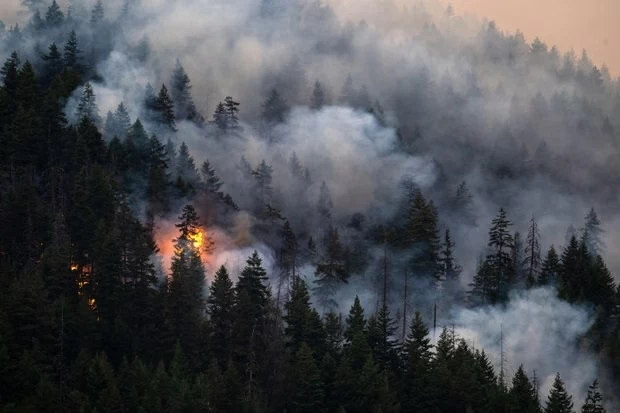
خلصت دراسة علمية حديثة إلى أن التغير المناخي الناجم عن الأنشطة البشرية ضاعف احتمالات الظروف الجوية التي ساهمت في اندلاع حرائق الغابات واسعة النطاق في كندا هذا الصيف، والتي تسببت في انتشار سحب كثيفة من الدخان امتدت إلى مناطق واسعة داخل الولايات المتحدة، وأثرت في جودة الهواء بمئات المدن.
وأوضحت الدراسة، التي أعدها تحالف «وورلد ويذر أتريبيوشن» (World Weather Attribution)، المتخصص في تحليل تأثير التغير المناخي على الظواهر الجوية المتطرفة، أن ارتفاع درجات الحرارة العالمية الناتج عن حرق الفحم والنفط والغاز عزز من فرص حدوث الظروف الملائمة لاندلاع الحرائق، خصوصا في مقاطعتي أونتاريو والأقاليم الشمالية الغربية، اللتين شهدتا هذا العام موجة حرائق واسعة النطاق.
ووفقاً للباحثين، فإن الظروف المناخية التي تؤدي إلى جفاف التربة والغطاء النباتي، وتجعل الغابات أكثر قابلية للاشتعال، أصبحت تتكرر بوتيرة أعلى بكثير مما كانت عليه في الماضي.
ففي الأقاليم الشمالية الغربية يُتوقع تكرار هذه الظروف كل عامين إلى ستة أعوام، بينما تتكرر في أونتاريو كل ستة إلى خمسة عشر عاماً، في حين كانت تحدث، لولا تأثير الاحترار العالمي، مرة واحدة تقريباً كل أربعة عقود أو أكثر.
وتشهد كندا حالياً نحو 700 حريق غابات لا تزال مشتعلة، التهمت نحو 3.8 مليون هكتار، معظمها في الغابات الشمالية الشاسعة التي تمتد عبر البلاد، وهي من أكبر النظم البيئية الحرجية في العالم.
ورغم أن حرائق الغابات تُعد جزءاً من الدورة الطبيعية للغابات الكندية، فإن الباحثين يؤكدون أن التغير المناخي أدى إلى زيادة شدتها واتساع نطاقها.
وقال الباحث في الظواهر الجوية المتطرفة بكلية إمبريال في لندن وأحد المشاركين في الدراسة ثيودور كيبينغ، إن كندا تشهد منذ عام 2023 «مرحلة مختلفة جذرياً» من حيث حجم الحرائق واتساعها.
وأضاف أن الانتشار الجغرافي الواسع للحرائق يؤكد أن إجراءات الوقاية وإدارة الغابات، رغم أهميتها، لم تعد كافية وحدها، داعياً إلى تسريع التحول بعيداً عن الوقود الأحفوري للحد من تكرار مثل هذه الكوارث مستقبلاً.
وتأتي الدراسة بعد أيام من تقرير آخر أصدره الفريق نفسه، خلص إلى أن التغير المناخي لعب دوراً أكبر في موجة الحرائق القياسية التي اجتاحت إسبانيا وفرنسا، وأدت إلى تنفيذ أكبر عملية إجلاء مدني تشهدها فرنسا في زمن السلم بسبب حرائق الغابات.
وقالت العالمة فريدريكه أوتو، المشاركة في إعداد الدراسة، إن النتائج أصبحت تتكرر في مختلف أنحاء العالم، مشيرة إلى أن الأدلة العلمية تؤكد أن الاحترار العالمي يجعل حرائق الغابات أكثر تكراراً واتساعاً وصعوبة في السيطرة عليها.
وفي المقابل، وجّه الرئيس الأمريكي دونالد ترمب انتقادات إلى كندا، متهماً إياها بعدم السيطرة على الحرائق، وقال إن الولايات المتحدة تتعرض لـ«هواء ملوث وغير صحي» قادم من الشمال، ولوّح باتخاذ إجراءات ضد أوتاوا، من بينها فرض رسوم جمركية جديدة.
إلا أن عدداً من العلماء انتقدوا هذه التصريحات، موضحين أن معظم الغابات الشمالية الكندية تقع في مناطق برية نائية يصعب إدارتها أو السيطرة على الحرائق فيها، كما أن تغير المناخ هو نتيجة لانبعاثات تراكمية عالمية، وتعد الولايات المتحدة تاريخياً أكبر مصدر لها.
ولا تزال الحرائق مستمرة في عدة مقاطعات كندية، حيث أصدرت السلطات في مقاطعة بريتيش كولومبيا أوامر بإجلاء نحو 8 آلاف شخص، محذرة من ظروف وصفتها بأنها «شديدة الخطورة وسريعة الاشتعال»، في وقت تواصل فيه فرق الإطفاء جهودها للسيطرة على النيران والحد من توسعها.
A recent scientific study concluded that climate change caused by human activities has doubled the likelihood of weather conditions that contributed to the outbreak of large-scale wildfires in Canada this summer, which resulted in the spread of thick smoke clouds extending over vast areas within the United States and affected air quality in hundreds of cities.
The study, prepared by the World Weather Attribution alliance, which specializes in analyzing the impact of climate change on extreme weather phenomena, indicated that the rise in global temperatures resulting from the burning of coal, oil, and gas has increased the chances of conditions suitable for the outbreak of fires, particularly in the provinces of Ontario and the Northwest Territories, which have witnessed a widespread wave of wildfires this year.
According to the researchers, the climatic conditions that lead to soil and vegetation drying, making forests more susceptible to ignition, have become much more frequent than in the past.
In the Northwest Territories, these conditions are expected to recur every two to six years, while in Ontario they recur every six to fifteen years, whereas, without the impact of global warming, they would occur approximately once every four decades or more.
Canada is currently experiencing about 700 wildfires that are still burning, consuming approximately 3.8 million hectares, mostly in the vast northern forests that stretch across the country, which are among the largest forest ecosystems in the world.
Although wildfires are considered part of the natural cycle of Canadian forests, researchers emphasize that climate change has increased their intensity and scope.
The researcher in extreme weather phenomena at Imperial College London and one of the study participants, Theodore Kipping, stated that Canada has been experiencing since 2023 a "fundamentally different phase" in terms of the size and extent of the fires.
He added that the wide geographical spread of the fires confirms that prevention and forest management measures, despite their importance, are no longer sufficient on their own, calling for a faster transition away from fossil fuels to reduce the recurrence of such disasters in the future.
The study comes just days after another report issued by the same team, which concluded that climate change played a larger role in the record wave of fires that swept through Spain and France, leading to the largest civilian evacuation operation in France during peacetime due to wildfires.
Scientist Friederike Otto, who participated in the preparation of the study, stated that the results are becoming more common worldwide, pointing out that scientific evidence confirms that global warming makes wildfires more frequent, widespread, and difficult to control.
In contrast, U.S. President Donald Trump criticized Canada, accusing it of failing to control the fires, stating that the United States is exposed to "polluted and unhealthy air" coming from the north, and hinted at taking measures against Ottawa, including imposing new tariffs.
However, several scientists criticized these statements, explaining that most of Canada's northern forests are located in remote wilderness areas that are difficult to manage or control fires in, and that climate change is a result of cumulative global emissions, with the United States historically being the largest source of them.
Fires continue in several Canadian provinces, where authorities in British Columbia have issued evacuation orders for about 8,000 people, warning of conditions described as "extremely dangerous and rapidly flammable," while firefighting teams continue their efforts to control the flames and limit their spread.