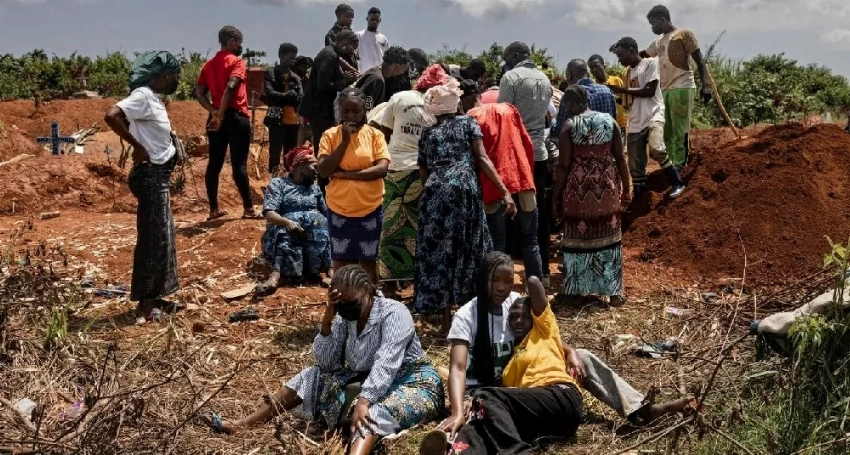
ارتفع عدد الإصابات المؤكدة بفايروس إيبولا في جمهورية الكونغو الديمقراطية إلى 3973 حالة؛ بينها 1801 وفاة، وفق بيانات حكومية صدرت أمس، في وقت تواجه فيه السلطات الصحية واحدًا من أكثر موجات التفشي تعقيدًا خلال السنوات الأخيرة.
ويأتي هذا الارتفاع وسط تحذيرات متجددة من منظمة الصحة العالمية بشأن تسارع انتشار الفايروس في بعض المناطق، حيث باتت وتيرة الإصابات تتجاوز قدرات الاستجابة الميدانية.
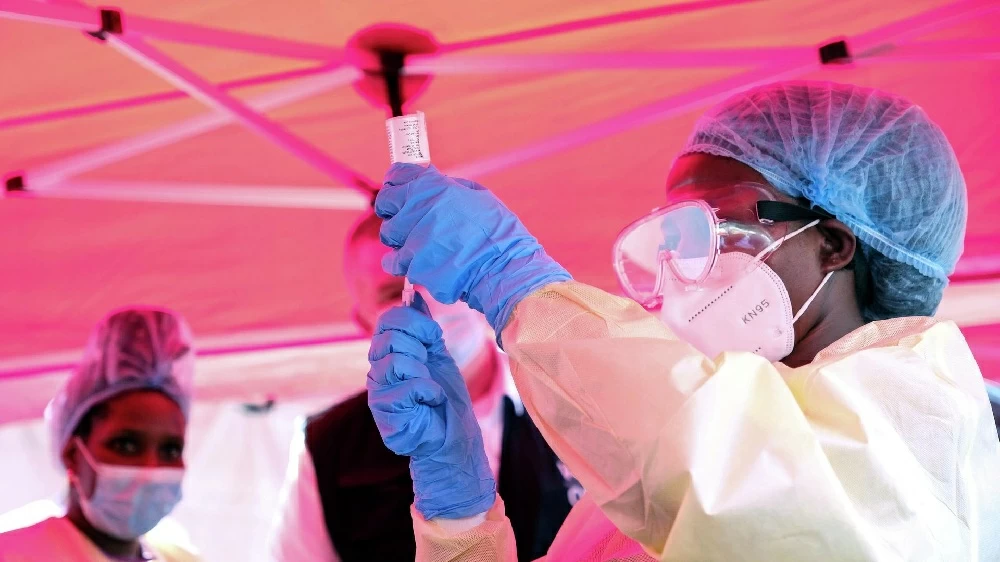
وخلال زيارة ميدانية إلى الكونغو الديمقراطية، دعا المدير العام لمنظمة الصحة العالمية تيدروس أدهانوم غيبرييسوس إلى تعزيز جهود مكافحة إيبولا، مع التركيز على حماية العاملين في القطاع الصحي الذين يشكلون خط الدفاع الأول في مواجهة التفشي. وشدد على ضرورة توفير الدعم اللوجستي والطبي لضمان استمرار عمليات العزل والمتابعة، محذرًا من أن أي تراجع في مستوى الاستجابة قد يؤدي إلى توسع أكبر في نطاق العدوى.
إيبو1
وتشير تقارير دولية حديثة إلى أن تفشي إيبولا في الكونغو الديمقراطية يُعد من بين الأطول والأكثر تعقيدًا؛ نظرًا لتداخل العوامل الصحية مع تحديات أمنية تعيق الوصول إلى بعض المناطق الريفية، إضافة إلى استمرار انتقال العدوى داخل المجتمعات المحلية. كما تؤكد المنظمة أن رفع مستوى التوعية وتوسيع نطاق التطعيم يمثلان عنصرين حاسمين في الحد من انتشار الفايروس.
ويأتي هذا التطور في وقت تعمل فيه الجهات الصحية الدولية والمحلية على تقييم الاحتياجات العاجلة، وسط مخاوف من أن يؤدي أي انتشار جديد إلى ضغط إضافي على النظام الصحي الهش في البلاد، ما يجعل الاستجابة السريعة والتنسيق الدولي ضرورة ملحّة لمنع تفاقم الأزمة.
The number of confirmed Ebola virus cases in the Democratic Republic of the Congo has risen to 3,973; among them, 1,801 deaths, according to government data released yesterday, as health authorities face one of the most complicated outbreaks in recent years.
This increase comes amid renewed warnings from the World Health Organization about the accelerating spread of the virus in some areas, where the rate of infections is exceeding field response capabilities.
During a field visit to the Democratic Republic of the Congo, WHO Director-General Tedros Adhanom Ghebreyesus called for enhanced efforts to combat Ebola, focusing on protecting health workers who are the first line of defense against the outbreak. He emphasized the need to provide logistical and medical support to ensure the continuation of isolation and monitoring operations, warning that any decline in the level of response could lead to a larger expansion of the infection.
إيبو1
Recent international reports indicate that the Ebola outbreak in the Democratic Republic of the Congo is among the longest and most complex; due to the interplay of health factors with security challenges that hinder access to some rural areas, in addition to the ongoing transmission of the virus within local communities. The organization also confirms that raising awareness and expanding vaccination coverage are critical elements in reducing the spread of the virus.
This development comes at a time when international and local health authorities are working to assess urgent needs, amid fears that any new outbreak could place additional pressure on the country's fragile health system, making rapid response and international coordination an urgent necessity to prevent the crisis from worsening.