أثار تفشي فايروس تشانديبورا في ولاية غوجارات الهندية حالة من القلق بين الأسر والسلطات الصحية، بعد تسجيل وفاة 22 طفلاً، فيما أكدت الفحوص إصابة 35 طفلاً من بين 184 حالة مشتبهاً بها، وفقاً لبيانات إدارة الصحة في الولاية. وجميع الإصابات المؤكدة سُجلت لدى أطفال تقل أعمارهم عن 15 عاماً.
ما هو فايروس تشانديبورا؟
يُعرف فايروس تشانديبورا منذ ستينيات القرن الماضي، إلا أن ظهوره يتكرر غالباً خلال موسم الرياح الموسمية، بالتزامن مع زيادة نشاط الحشرات الناقلة للمرض.
ويحذّر خبراء الصحة من أن سرعة تشخيص الأعراض تمثّل العامل الأهم في إنقاذ المصابين، في ظل عدم توفر علاج مضاد للفايروس أو لقاح حتى الآن.
وتوضح منظمة الصحة العالمية أن الفايروس ينتمي إلى عائلة الرابدوفيروس، ويتسبب في متلازمة التهاب الدماغ الحاد، التي تنتشر في مناطق غرب ووسط وجنوب الهند، خصوصاً خلال موسم الأمطار.
كيف ينتقل فايروس تشانديبورا؟
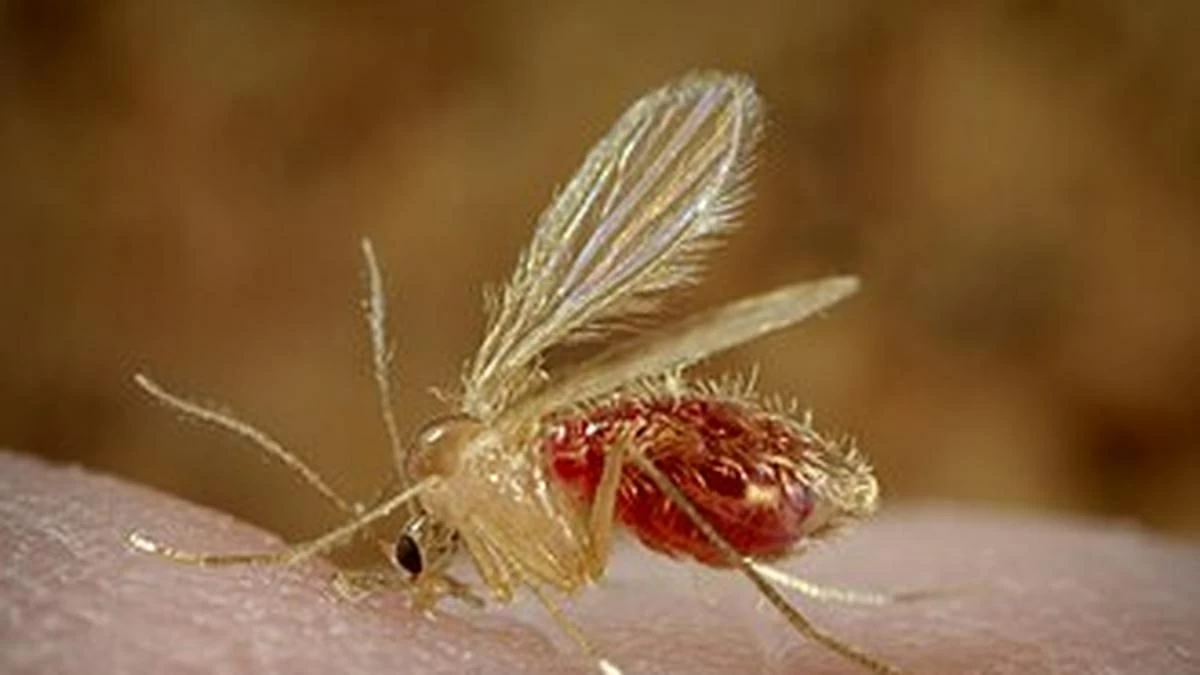
ينتقل الفايروس عبر لدغات الحشرات المصابة، وعلى رأسها ذباب الرمل، إضافة إلى البعوض والقراد، فيما تسهم الظروف البيئية غير الصحية وسوء إدارة النفايات في زيادة فرص انتشار العدوى.
أعراض فايروس تشانديبورا
تبدأ الإصابة عادة بأعراض تشبه الإنفلونزا، مثل الحمى الشديدة والصداع والإرهاق وآلام الجسم والقيء، لكنها قد تتطور سريعاً إلى مضاعفات خطيرة تشمل التشنجات، واضطراب الوعي، والغيبوبة، والتهاب الدماغ. وتشير منظمة الصحة العالمية إلى أن الأطفال قد يواجهون تدهوراً سريعاً قد يؤدي إلى الوفاة خلال 48 إلى 72 ساعة من ظهور الأعراض.
طرق الوقاية
ورغم عدم وجود علاج نوعي للفايروس، فإن الأطباء يؤكدون أن التشخيص المبكر، والدخول السريع إلى المستشفى، وتقديم العلاج الداعم، يمكن أن يزيد فرص النجاة ويحد من المضاعفات.
وتوصي السلطات الصحية بالوقاية من لدغات الحشرات من خلال استخدام الناموسيات وطاردات الحشرات، والحفاظ على نظافة المنازل، والتخلص السليم من النفايات، وارتداء الملابس طويلة الأكمام، خصوصاً خلال ساعات المساء، مع ضرورة التوجه الفوري إلى المستشفى إذا ظهرت على الطفل حمى مفاجئة مصحوبة بالتشنجات أو القيء أو اضطراب الوعي.
The outbreak of the Chandipura virus in the Indian state of Gujarat has caused concern among families and health authorities, following the reported deaths of 22 children, while tests confirmed the infection of 35 children out of 184 suspected cases, according to data from the state health department. All confirmed cases were recorded in children under the age of 15.
What is the Chandipura virus?
The Chandipura virus has been known since the 1960s, but its appearance often recurs during the monsoon season, coinciding with increased activity of the disease-carrying insects.
Health experts warn that the speed of diagnosing symptoms is the most important factor in saving those infected, given that there is currently no antiviral treatment or vaccine available.
The World Health Organization explains that the virus belongs to the rhabdovirus family and causes acute encephalitis syndrome, which spreads in areas of western, central, and southern India, especially during the rainy season.
How is the Chandipura virus transmitted?
The virus is transmitted through bites from infected insects, primarily sandflies, as well as mosquitoes and ticks, while unhealthy environmental conditions and poor waste management contribute to increased chances of infection spread.
Symptoms of the Chandipura virus
Infection usually begins with flu-like symptoms, such as high fever, headache, fatigue, body aches, and vomiting, but it can quickly progress to serious complications including seizures, altered consciousness, coma, and encephalitis. The World Health Organization indicates that children may experience rapid deterioration that could lead to death within 48 to 72 hours of symptom onset.
Prevention methods
Although there is no specific treatment for the virus, doctors confirm that early diagnosis, quick hospital admission, and supportive treatment can increase survival chances and limit complications.
Health authorities recommend preventing insect bites by using mosquito nets and insect repellents, maintaining cleanliness in homes, proper waste disposal, and wearing long-sleeved clothing, especially during evening hours, with the necessity of immediate hospital visit if a child shows sudden fever accompanied by seizures, vomiting, or altered consciousness.