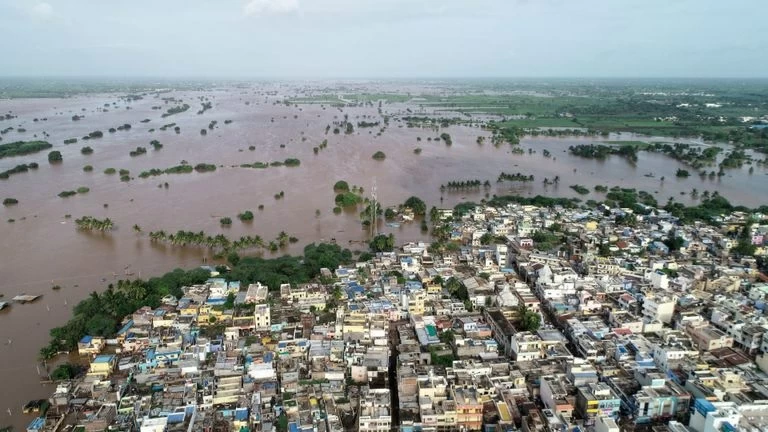
تواصل مياه الفيضانات اجتياحها لمناطق واسعة في ولاية آسام شمال شرقي الهند، حاملة معها مأساة إنسانية جديدة، بعدما أودت بحياة عشرات الأشخاص وأجبرت مئات الآلاف على مواجهة أوضاع قاسية مع استمرار الأمطار الموسمية الغزيرة وارتفاع منسوب نهر براهمابوترا.
وأعلنت هيئة إدارة الكوارث في ولاية آسام، الجمعة، ارتفاع حصيلة ضحايا الفيضانات إلى 61 شخصاً منذ بداية العام، بعد وفاة 14 شخصاً خلال الساعات الـ24 الماضية فقط نتيجة تدفق المياه والسيول التي ضربت عدداً من مناطق الولاية.
وأوضحت الهيئة أن أكثر من 705 آلاف شخص تضرروا من الفيضانات في عدة مقاطعات، بينها تشارايديو، وديماجي، وديبروجاره، وجولاجات، وهوجاي، وجورهات، وكاربي أنجلونج، وناجاون، وسيفاساجار، حيث غمرت المياه مساحات واسعة من القرى والأراضي الزراعية.
وقال رئيس وزراء آسام، هيمانتا بيسوا سارما، إن حكومته ستوفر مساعدات إغاثية لنحو 80 ألف متضرر على الأقل، مؤكداً أن الوضع لا يزال حرجاً في ظل استمرار ارتفاع منسوب عدد من الأنهار بسبب الأمطار المتواصلة.
وخلال اجتماع لمراجعة جهود التعامل مع الأزمة، وصف النائب عن حزب بهاراتيا جاناتا، مايور بورجوهين، أوضاع عمليات الإغاثة في منطقة نازيرا التابعة لمقاطعة سيفاساجار بأنها صعبة، مشيراً إلى حجم التحديات التي تواجهها السلطات في الوصول إلى المناطق المتضررة.
ولم تقتصر تداعيات الفيضانات على السكان فقط، إذ أكدت هيئة إدارة الكوارث تضرر نحو ثلاثة ملايين من الحيوانات الأليفة والدواجن في مختلف أنحاء الولاية، ما يزيد من حجم الخسائر الناجمة عن الكارثة.
وتأتي هذه الفيضانات خلال موسم الأمطار الموسمية الذي تشهده مناطق شمال شرقي الهند سنوياً، إلا أن غزارة الأمطار هذا العام تسببت في ارتفاع كبير لمنسوب الأنهار وخروج المياه عن مجاريها، ما أدى إلى غمر قرى ومناطق منخفضة وأراضٍ زراعية واسعة.
وتُعد ولاية آسام من أكثر المناطق الهندية عرضة للفيضانات بسبب طبيعتها الجغرافية وشبكة أنهارها الواسعة، وفي مقدمتها نهر براهمابوترا وفروعه، فيما تواجه فرق الإنقاذ والسلطات المحلية صعوبات كبيرة في الوصول إلى القرى النائية التي عزلتها المياه.
The floodwaters continue to sweep through vast areas in the state of Assam in northeastern India, bringing with them a new humanitarian tragedy, after claiming the lives of dozens of people and forcing hundreds of thousands to face harsh conditions as heavy monsoon rains and the rising waters of the Brahmaputra River persist.
The Assam Disaster Management Authority announced on Friday that the death toll from the floods has risen to 61 people since the beginning of the year, following the deaths of 14 individuals in just the past 24 hours due to the influx of water and the floods that hit several areas of the state.
The authority clarified that more than 705,000 people have been affected by the floods in several districts, including Charaideo, Dima Hasao, Dibrugarh, Golaghat, Hojai, Jorhat, Karbi Anglong, Nagaon, and Sivasagar, where water has inundated large areas of villages and agricultural land.
Assam's Chief Minister, Himanta Biswa Sarma, stated that his government will provide relief assistance to at least 80,000 affected individuals, emphasizing that the situation remains critical as the levels of several rivers continue to rise due to the ongoing rains.
During a meeting to review the efforts to address the crisis, Bharatiya Janata Party MP, Mayor Borgohain, described the conditions of the relief operations in the Nazira area of Sivasagar district as difficult, pointing to the challenges faced by authorities in reaching the affected areas.
The impacts of the floods are not limited to the population alone, as the Disaster Management Authority confirmed that around three million pets and poultry have been affected across the state, increasing the scale of losses resulting from the disaster.
These floods come during the monsoon season that northeastern India experiences annually, but the heavy rainfall this year has caused a significant rise in river levels and the overflow of water from their banks, leading to the inundation of villages, low-lying areas, and vast agricultural lands.
Assam is considered one of the most flood-prone regions in India due to its geographical nature and extensive network of rivers, primarily the Brahmaputra and its tributaries, while rescue teams and local authorities face significant difficulties in reaching remote villages isolated by the waters.